

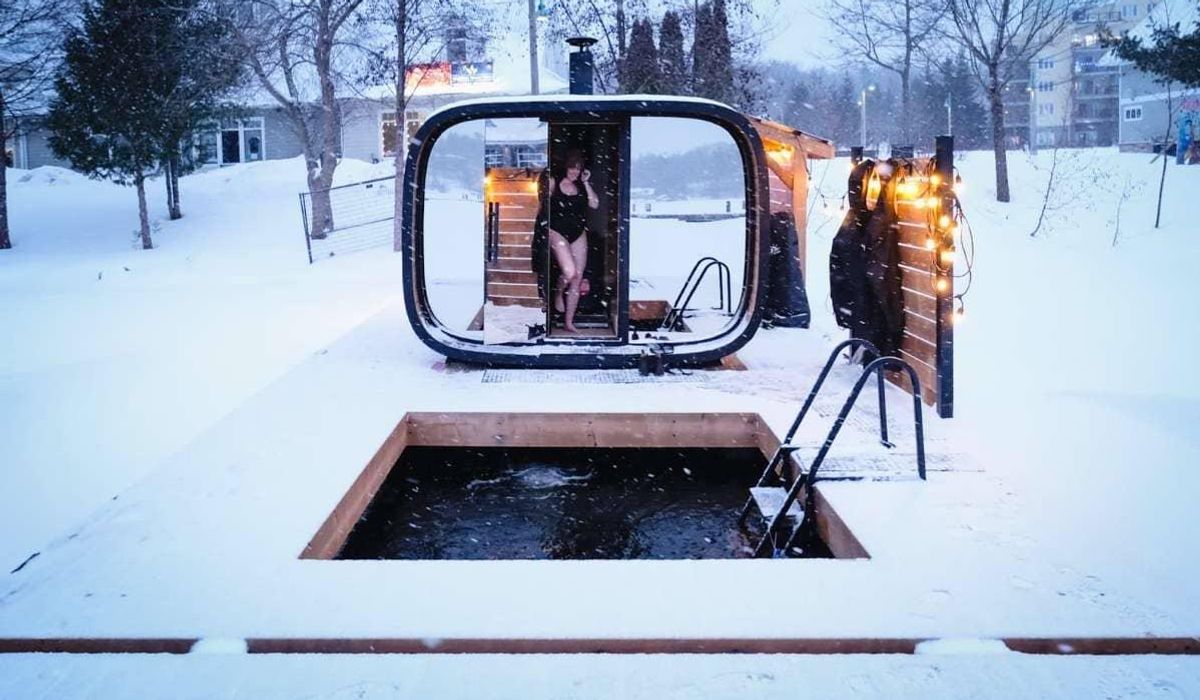
A hot sauna, a cold plunge and forest immersion are the prescriptions Nordic dwellers have sworn by for generations — and millions of others have adopted these traditional practices as well. These rituals combine heat, cold and nature to influence mood, circulation and resilience. This article looks at what the science and tradition say about why people keep coming back to them.
Saunas deliver intense, dry heat that raises heart rate and dilates blood vessels, producing a deep sweat and a clear sense of relaxation. The thermal stress triggers short-term cardiovascular responses that, over time, may help with circulation and recovery from exertion. People often report a calm, focused state after a session, and research links regular sauna use with improved well-being.
Cold plunges create almost the opposite effect: sudden cold exposure causes rapid vasoconstriction and a spike in alertness along with a sharp release of adrenaline. That cold shock can reduce muscle inflammation and speed perceived recovery after hard workouts. When used carefully, brief immersions in cold water are a practical tool to manage soreness and sharpen mental clarity.
Putting the heat and cold together—the contrast therapy many cultures practice—produces repeated cycles of constriction and dilation that challenge the autonomic nervous system. This back-and-forth is thought to improve vascular tone and increase the body’s capacity to handle stressors. Athletes and everyday users alike cite faster recovery, reduced fatigue, and a heightened sense of energy following contrast routines.
Forest immersion, often called forest bathing, adds a different kind of stimulus: a low-intensity, multisensory interaction with nature that soothes the nervous system. Time among trees lowers cortisol, eases anxiety, and restores attention after prolonged cognitive work. The combination of fresh air, green space and gentle movement complements thermal practices by reducing stress and supporting overall mental health.
Evidence is growing but not unanimous, so safety and moderation matter. People with cardiovascular conditions, uncontrolled hypertension, or certain metabolic disorders should consult a clinician before attempting extreme temperature changes. Start with short sessions, stay hydrated, avoid alcohol, and listen to your body to prevent overexposure or fainting.
Practical routines vary: some prefer several sauna sessions separated by cold plunges or showers, while others sequence forest walks before or after heat and cold exposure to extend the relaxation effect. Frequency ranges from a few times per week to daily use for enthusiasts, and dose matters more than extremes. Consistency and gradual progression produce the best balance of adaptation and benefit.
Modern wellness spaces have made these traditions more accessible, with urban saunas, dedicated cold-plunge tubs and curated forest trails appearing in cities and resorts. That accessibility helps explain why the practices have spread far beyond their Nordic roots and why millions of others have adopted these traditional practices as well. People combine tradition with contemporary routines to create personalized protocols that fit their lifestyles.
Researchers still debate mechanisms and long-term outcomes, but users often report clearer thinking, better sleep and a stronger sense of routine after incorporating heat, cold and nature into their weeks. The practices are versatile enough to fit into athletic recovery, stress management, or simple weekend rituals. As interest grows, sensible use and attention to individual health status remain the best starting points for anyone curious to try them.

