

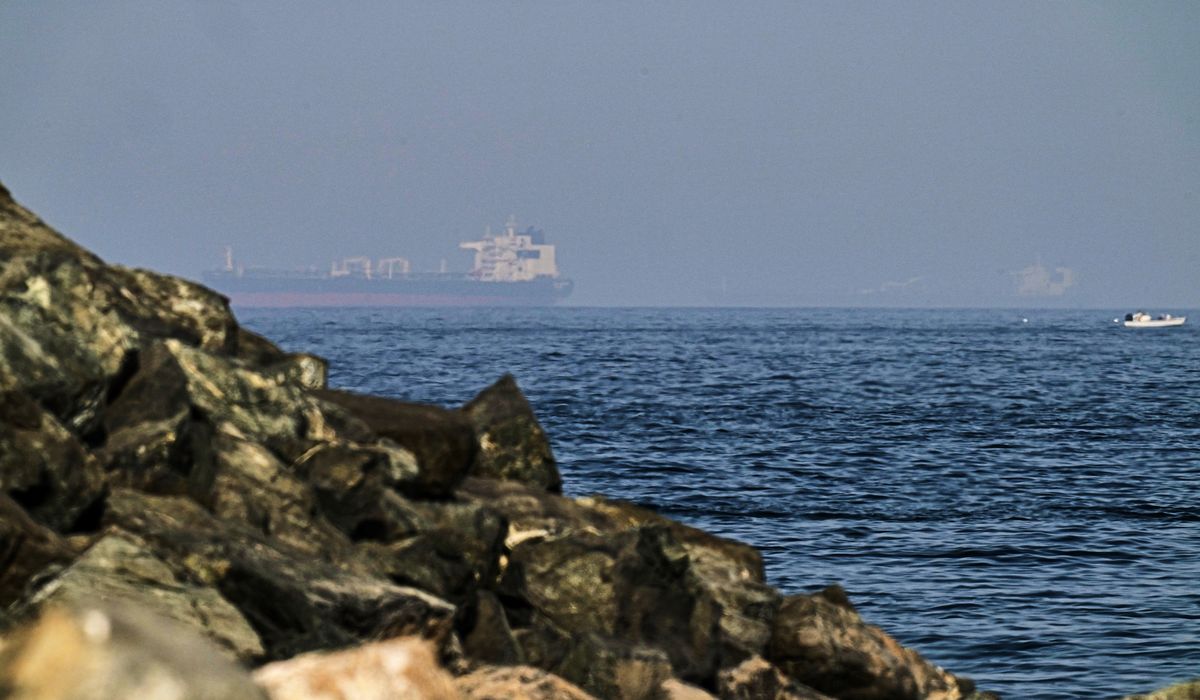
The United Arab Emirates reported active intercepts of Iranian missiles and drones amid a sharp regional escalation, with U.S. and Iranian forces exchanging fire in the nearby waters, raising urgent questions about defense, deterrence, and protecting commercial traffic through the Strait of Hormuz.
The United Arab Emirates said Friday its air defense systems were actively intercepting Iranian ballistic missiles and drones, one day after the U.S. and Iranian forces traded fire in the Strait of Ho. UAE officials presented their action as a defensive measure to protect populated areas and key infrastructure. Local military spokespeople emphasized readiness and coordination with partners in the region. Civilians and commercial operators were warned to expect continued military activity.
The statement from the UAE underscores how quickly such exchanges can pull multiple countries toward open conflict. Iranian drone and missile attacks have become a recurring risk that now threatens commercial shipping lanes and energy supplies. Gulf states are watching closely because any disruption in the Strait of Hormuz affects global oil flows and international markets. For nations that depend on steady maritime transit, reliable air defense is essential.
One day after clashes between U.S. and Iranian forces, the reality is a sharpened theater of operations where miscalculation could produce a wider war. The United States must make clear that protecting allies and freedom of navigation is nonnegotiable. From a Republican perspective, deterrence works: strong, credible defenses and decisive responses reduce the odds of future attacks. Weakness invites more aggression, and that is a risk no friend in the region can afford.
Technology plays a critical role in this standoff. Intercepting ballistic missiles and unmanned aerial systems requires layered defenses, real-time intelligence, and secure communications. Gulf partners are investing in systems that can detect and shoot down fast-moving threats at multiple altitudes. Those investments should be supported by firm U.S. backing and by coordinated rules of engagement that avoid accidental escalation while preserving the right to defend territory.
Beyond military posture, the economic stakes are high. The Strait of Hormuz handles a significant share of the world’s seaborne oil exports, and disruptions ripple quickly through markets. Shipping companies reroute, insurance premiums rise, and consumers feel the pinch at the pump. Policymakers must factor these economic costs into their strategic calculations and resist any temptation to normalize a persistent low-level conflict in a vital trade artery.
Diplomacy still matters, but it must be backed by strength. Clear signaling to Tehran and clear support to regional partners will lower the chance of wider confrontation. Republican thinking favors robust deterrence combined with diplomatic channels that offer a path back from escalation. The coming days will test whether alliances hold and whether deterrence can stop further strikes without drawing more countries into the fight.

