

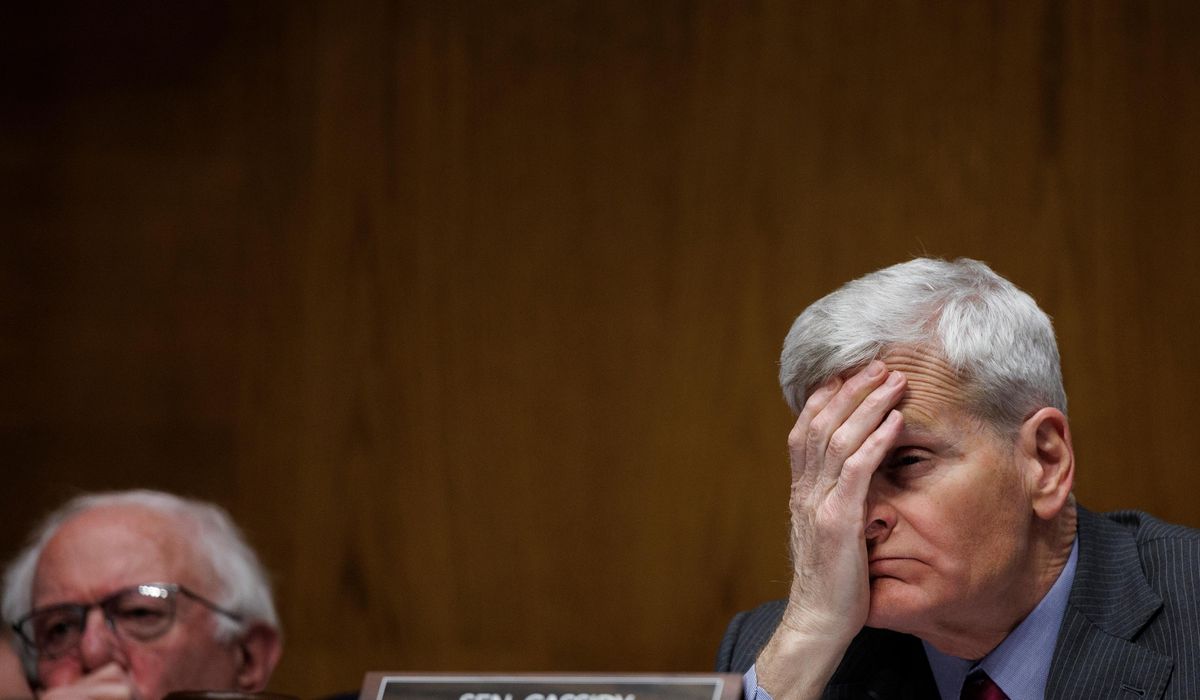
Republican senators who upset President Trump are scrambling to survive primaries by copying his playbook, but doing it without his endorsement leaves them exposed and opens room for challengers who can claim purer loyalty to the base.
Three Republican incumbents — Cassidy, Massie and Cornyn — face primary voters after crossing President Trump. Now they’re running his playbook without his blessing, and their political surviva
This trio of incumbents is juggling two competing realities: they need to appeal to a conservative electorate that rewards fight and loyalty, yet many of their recent moves put them at odds with the loudest Trump-aligned voters. Voters remember who stood with the movement during the loudest moments, and primary politics tends to reward raw allegiance more than pragmatic compromise. That mismatch is why these senators are now adopting tactics that mirror the former president even as they lack his formal backing.
The strategy looks familiar because it is familiar: blunt, performative messaging tied to culture and national identity, tough rhetoric on immigration and law and order, and constant positioning as the defender of conservative values. Running Trump’s playbook without Trump means using those same attacks, rallies, and social media surges, while hoping to pick up support from party stalwarts who prefer incumbency. But without the endorsement, their claims to authenticity get challenged and the playbook becomes a riskier script than it was on stage with him.
Primary challengers smell opportunity and are sharpening their knives by staking out purer MAGA ground, pitching themselves as the real, uncompromising option for voters who want absolute fidelity. That dynamic turns funding and endorsements into a battlefield; donors and activists often follow signals from influential figures, and a missing endorsement creates a vacuum where money and attention can siphon away. For incumbents, surviving means convincing local voters and party influencers that their record matters more than a missed nod from a national celebrity.
Politics on the ground now mixes grassroots fury with institutional advantages, and the incumbents still have the procedural tools of office: staff, constituent services, and legislative records to tout. Those advantages can blunt an insurgent surge if they are used smartly and quickly, but they will not automatically neutralize the emotional power of a movement that feels betrayed. Winning a primary requires turning structural benefits into persuasive narratives that match the base’s priorities without alienating moderate supporters who also matter in a general election.
For the GOP, these contests are more than local fights; they are tests of whether the party remains driven by a personality or by a set of conservative principles that can outlast any single leader. Candidates who successfully translate hard-hitting messaging into consistent policy proposals will have a stronger case for both the base and the broader electorate. What unfolds in these primaries will shape how future senators navigate loyalty, policy, and survival within a party that prizes both combativeness and electability.
Expect headlines that lean into spectacle as well as measuring sticks of turnout and money raised, because those metrics will determine whether imitation without endorsement is enough. Observers should watch how each campaign frames its record, which local influencers swing behind them, and whether challengers can sustain pressure past the first media cycle. The next few weeks will reveal whether these incumbents can convert a borrowed playbook into something that holds up under the scrutiny of their own voters.

