

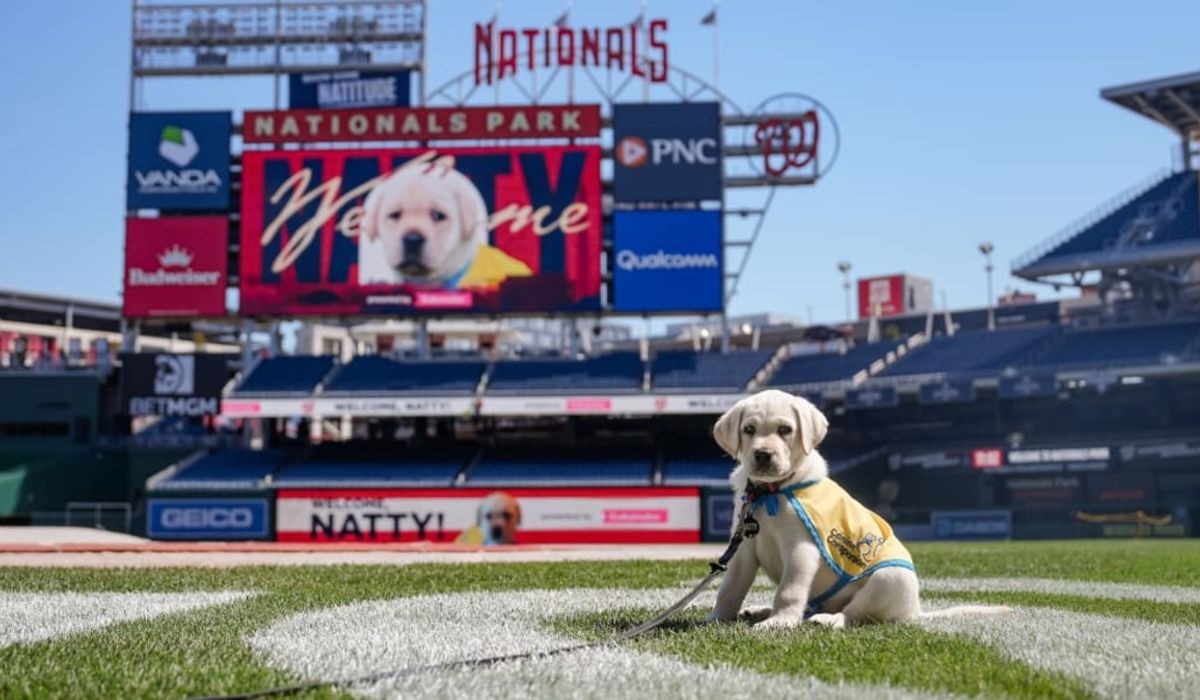
The Washington Nationals added a new roster member with four legs, a canine presence that has strolled into the clubhouse and into fan conversations about mascots, morale, and how animals fit into professional sports spaces.
When a dog shows up at a major league clubhouse, it changes the energy in a single afternoon. Players and staff tend to relax, conversations shift to lighter topics, and social media lights up with photos and short videos that capture the moment.
Teams increasingly bring animals into training and game-day environments for a simple reason: they work. Whether acting as a low-key mascot, a certified therapy animal, or a beloved companion for staff, a dog can reduce stress, offer routine, and remind everyone that work still sits inside the real world.
The presence of a dog also prompts practical questions about routines and responsibilities inside the ballpark. Someone needs to handle care details like feeding, walking, and cleanup, and the organization typically coordinates veterinary checks and vaccination records before the animal ever steps on the field.
Clubhouses are not new spots for animals, but protocol matters. Major league teams that allow animals usually do so under clear rules to protect players, staff, and fans, and to avoid disrupting the competitive focus that drives performance on the field.
Fans respond quickly to this kind of human interest moment. A single candid picture of a player petting a dog can travel fast, drawing comments that range from playful to heartfelt and giving the team a softer, more relatable public face between games.
There is also an organizational angle. Bringing a dog into an athletic environment can support wellness initiatives, mental health programs, and community outreach efforts that humanize the franchise. Teams often pair these moves with appearances, fan events, or content that boosts engagement without disrupting team priorities.
Logistics are straightforward when planned. The club works with a handler, adheres to health and safety rules, and sets boundaries about where the animal can go during practices and games, so the routine of the season stays uninterrupted and clean.
For players, the effect can be immediate and surprising. A brief visit with a calm, friendly dog can reset a mood after a long road trip or an intense practice, easing tension and helping teammates reconnect over something other than statistics and schedules.
Behind the light moments lie real benefits that stick around. Exposure to therapy animals is linked to lower cortisol levels and improved mood, factors that matter in a sport defined by long seasons and performance pressure, and they can become a small but steady source of comfort.
The dog’s presence in the Nationals’ clubhouse will likely be as much about daily rhythm as it is about any single event. With sensible rules and a clear plan for care, an animal can be part of the team culture without distracting from the work at hand, offering companionship during one of baseball’s longest, most demanding journeys.

