

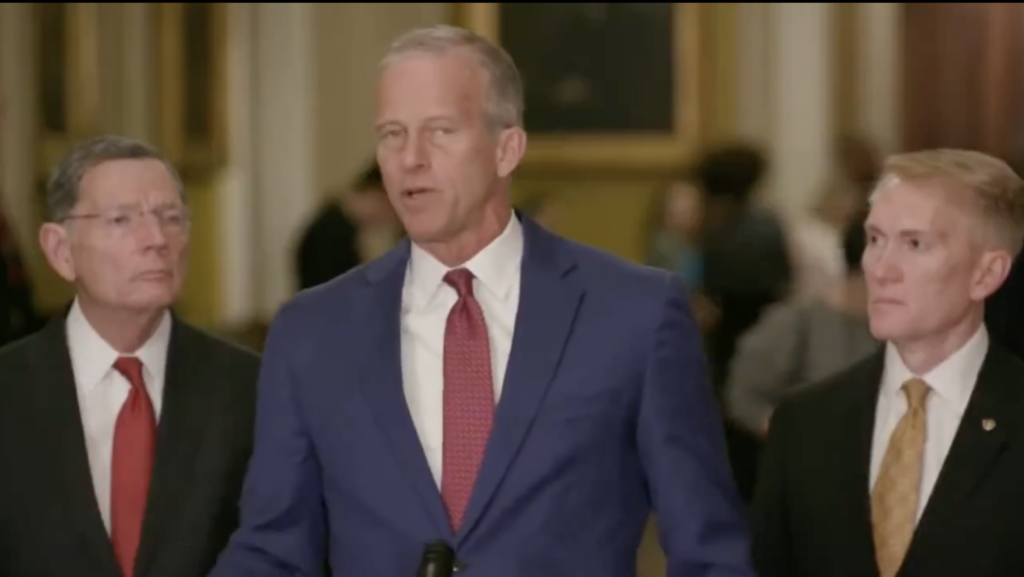
Senate Majority Leader John Thune said “We don’t have the votes to get rid of the filibuster,” and Republicans are debating whether that is a sincere limit or a convenient way to stall the SAVE America Act.
Senate Majority Leader John Thune, R-S.D., told reporters Tuesday, “We don’t have the votes to get rid of the filibuster,” and he used that line to explain why he won’t move the SAVE America Act forward. That admission landed hard with conservatives who expected leadership to press for measures that protect election integrity and public safety. The short version: rank-and-file conservatives see a leadership choice, not an absolute barrier.
Across the conference there is a clear divide between caution and urgency. Some senators argue that preserving the filibuster protects the chamber’s deliberative role and forces compromise. Others counter that when core priorities are on the line, procedural concerns become excuses that stall action and undercut voter expectations. That tension plays out every time major legislation hits the floor.
For those pushing the SAVE America Act, the procedural math is not as simple as Thune framed it. Many conservative senators and House allies believe the bill can advance without eliminating the filibuster if leadership is willing to use reconciliation or craft slimmer, strategically narrow proposals. The choice to not pursue those routes reads like political calculation to worried activists who demanded results after election debates.
Republican voters who backed stronger measures on election security and law enforcement see a pattern. Promises to fight for conservative priorities have been met with measured statements about consensus and bipartisanship. That approach can be a valid governing philosophy, but for activists and some members it looks like acquiescence when the stakes are framed as protecting elections and public order.
There are tactical options that the Senate could explore. Panels, targeted amendments, and staged floor votes can build public pressure and produce wins without nuking Senate rules. Still, those options require an appetite for friction and the willingness to run political risks. Leadership has to decide whether to accept incremental gains or push harder for fully realized conservative policy change.
The political calculus reaches beyond Capitol Hill. Grassroots donors and conservative media are already vocal about wanting outcomes, not just explanations. That feedback shapes primary calendars and messaging for incumbents who face conservative challengers. The message from the base is plain: voters expect leadership to translate campaign promises into tangible policy.
Critics of Thune’s public stance argue that claiming a lack of votes is a self-fulfilling prophecy. If leadership frames the filibuster as immovable, rank-and-file senators who might otherwise back bold moves feel restrained. Conversely, if leaders demonstrate a clear plan to advance priority bills, those same senators often coalesce when momentum builds and consequences for inaction are visible.
Supporters of Thune counter that governing is more than fulfilling every demand from the activist wing and that steady stewardship protects long-term majorities. They warn that abandoning the filibuster lightly risks handing Democrats an easy path to reverse conservative wins when the majority changes. That tension between immediate policy goals and institutional prudence is central to current Republican strategy debates.
Messaging matters in this fight. Saying “We don’t have the votes to get rid of the filibuster” is precise political language, but it also cedes the narrative control to opponents who will portray Republicans as helpless in the face of Democratic obstruction. A different tone—one that lays out specific next steps or alternative tactics—would change the story and give conservative voters clearer expectations about how leadership plans to deliver.
At the base, reactions will shape future choices in primaries and committee fights, and those dynamics feed back into what leadership believes it can accomplish. Whether the SAVE America Act advances will depend on decisions about risk tolerance, strategy, and the priority placed on delivering concrete policy. For many conservatives, rhetoric about limits will only be acceptable if it is paired with a credible, aggressive plan for legislative wins.

