

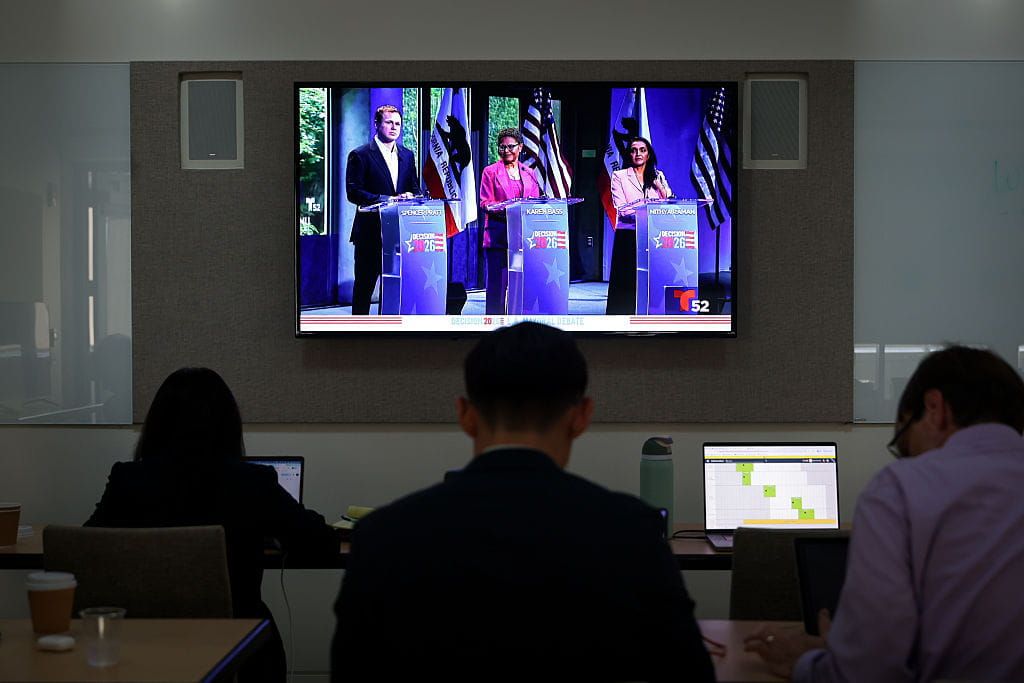
The Los Angeles mayoral contest has turned into a high-drama showdown where an outsider is upsetting expectations and forcing voters to rethink priorities. Campaign theater, celebrity influence, and media spectacle are colliding with real concerns about crime, homelessness, and city finances. This piece walks through how an unlikely contender changed the race and what it means for Los Angeles on May 13, 2026 and beyond.
The Los Angeles Mayoral Race Turns Into a Hollywood-Level Drama
An unlikely candidate has emerged as a serious contender.
The race for Los Angeles mayor has slipped out of the predictable lane and into something more like a streaming series, with plot twists, sharp-line divisions, and nonstop headlines. Voters are watching performances as much as policy, and that has reshaped how candidates position themselves. Campaigns that once relied on steady party backing now face the raw power of personality and spectacle.
For conservatives, the show reveals a key advantage: plain talk lands with ordinary Angelenos who want safety and basic services restored. The city’s crime wave, shelter crisis, and budget squeeze are tangible problems that don’t respond to celebrity endorsements or boutique policy proposals. An outsider who addresses these issues bluntly can cut through the noise faster than a carefully curated resume.
The media circus has amplified splashes of drama at every turn, turning debates into headline fodder and small gaffes into campaign-defining moments. That benefits candidates who can command attention and survive scrutiny, even when the scrutiny is unfair. At the same time, the press often frames the story to protect the establishment, making the insurgent’s climb feel like an uphill battle.
Fundraising patterns have shifted, too, with big-dollar donors and small online contributions both playing roles in the new dynamic. Hollywood money still flows, but grassroots donations show an appetite for change that traditional powerbrokers underestimate. The result is a two-track fundraising ecosystem that rewards both celebrity polish and plainspoken appeal.
Endorsements matter, but their meaning is changing in a city where voters distrust institutions and crave results. Endorsements from club insiders can help organizing on the ground, yet they rarely substitute for a clear record on public safety and fiscal restraint. When residents judge leaders by city streets and shelters, endorsements become background noise rather than the script.
Campaign messaging reflects this bifurcation: one side leans into cultural signaling and progressive orthodoxies, while the other pitches competence, law and order, and financial sanity. That contrast plays well to different constituencies in Los Angeles, but the real swing voters are those worried about personal safety and the cost of living. Candidates who speak to those everyday anxieties without relying on clichés are gaining traction.
The homelessness crisis is both a policy failure and a political flashpoint, exposing gaps in governance and accountability that voters notice. Solutions that ignore enforcement and cost controls fail to move the needle when streets remain unsafe and services collapse under demand. Any credible mayoral plan must combine compassion with accountability and fiscal discipline to restore basic order.
City finances are another hard reality the drama can’t disguise, with rising obligations and limited revenue options restricting bold new programs. Voters see promises of sweeping reforms but also recognize that managing Los Angeles requires tough choices and clear priorities. A candidate who outlines realistic steps to rein in spending while protecting essential services can win credibility among skeptical residents.
As campaigning intensifies and May 13, 2026 approaches, the spotlight will stay trained on whoever best blends attention-grabbing presence with a concrete plan for the city’s core problems. Los Angeles voters are demanding leaders who will put neighborhoods before headlines and results before rhetoric. The candidate who navigates the glare and delivers a sensible, enforceable agenda will reshape expectations for local leadership.
The Hollywood-level drama will continue to produce viral moments, but the city’s day-to-day reality will decide the race. Elections are ultimately about who can govern, not who can perform under the brightest lights. For many Angelenos, the hope is that this unexpected twist leads to real changes on the ground, not just another season of political theater.

