

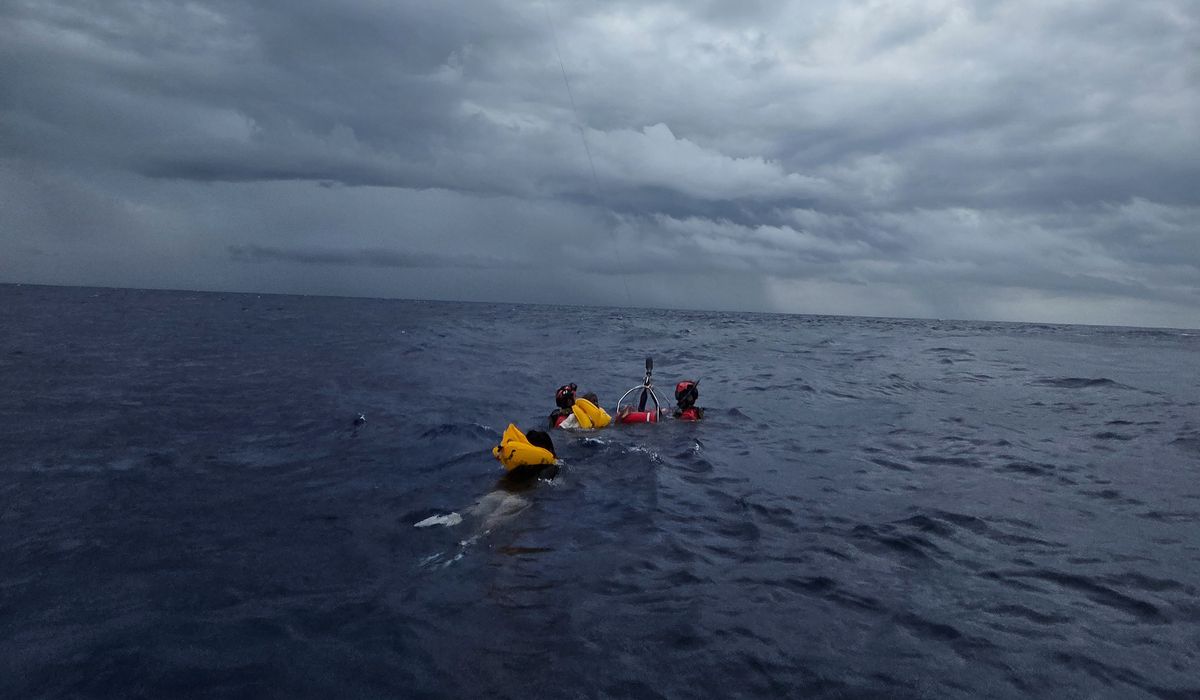
Eleven people survived a plane crash off the coast of Florida and spent five hours adrift on a life raft as a thunderstorm approached, surviving without any way to call for help and unsure if rescue would arrive.
They spent five hours in a liferaft after the plane went down, fully exposed to open water and changing weather, and we can picture the anxiety that comes with not knowing if help is on the way. Being adrift with no means of communication strips away certainty and forces people to focus on immediate survival tasks. Even short stretches of time in that environment demand quick thinking and steady nerves.
On the raft the group likely dealt with cold, damp clothes, and the constant motion of waves, all of which make rest and sleep difficult. Rain from the approaching thunderstorm would have reduced visibility and increased the risk of hypothermia and capsizing. When you cannot call for help, every sighting on the horizon and every change in wind or swell becomes cause for both hope and caution.
The absence of a working radio or phone changes priorities: conserve energy, minimize heat loss, and keep everyone accounted for. Sharing body heat and using any available materials to shield against wind and rain are simple but crucial moves. People in life rafts also tend to rotate roles—watching the horizon, bailing water, or keeping morale up—so the group functions as a small, adaptable team.
Psychological strain is as real as physical danger when rescue is uncertain, and maintaining calm is a survival skill. Conversation, joking when possible, and clear, short instructions help reduce panic and maintain focus. Leaders often emerge naturally in those situations, guiding others through routine tasks that preserve both order and hope.
The thunderstorm magnifies hazards: sudden gusts, sharp squalls, and heavy rain can swamp a raft or separate people from it during any attempt to swim. Visibility drops in a hard rain, making it harder for distant ships or aircraft to spot small silhouettes on the water. In storms, conserving energy and keeping the raft stable become even more urgent priorities for those aboard.
Even with no immediate rescue in sight, survivors can create signals that improve their chances of being found once conditions allow. Reflective surfaces, bright clothing, or controlled movement that creates contrast against the water can help once daylight or calmer weather returns. Staying in one place often increases the odds of being located by searchers who will concentrate on the last known point rather than chasing a moving target.
Rescue timelines at sea can feel both long and arbitrary, and five hours with no contact can stretch emotions to the limit. Yet many coastal rescues rely on coordinated local efforts, and sometimes a sighting by a passing boat or a return to broadcasting range leads to a solution. Until that happens, the immediate job for the people on the raft is stabilization: protect against the elements, tend to any injuries, and keep the group together.
When the ordeal ends, the effects linger—physical exhaustion, dehydration, and the emotional aftershocks of sudden danger. Recovery involves medical checks and a chance to process what happened, but those first hours on the raft are the most crucial for survival. That window of time is where practical choices, group cohesion, and a little luck all come together to determine whether people make it through the night.

