

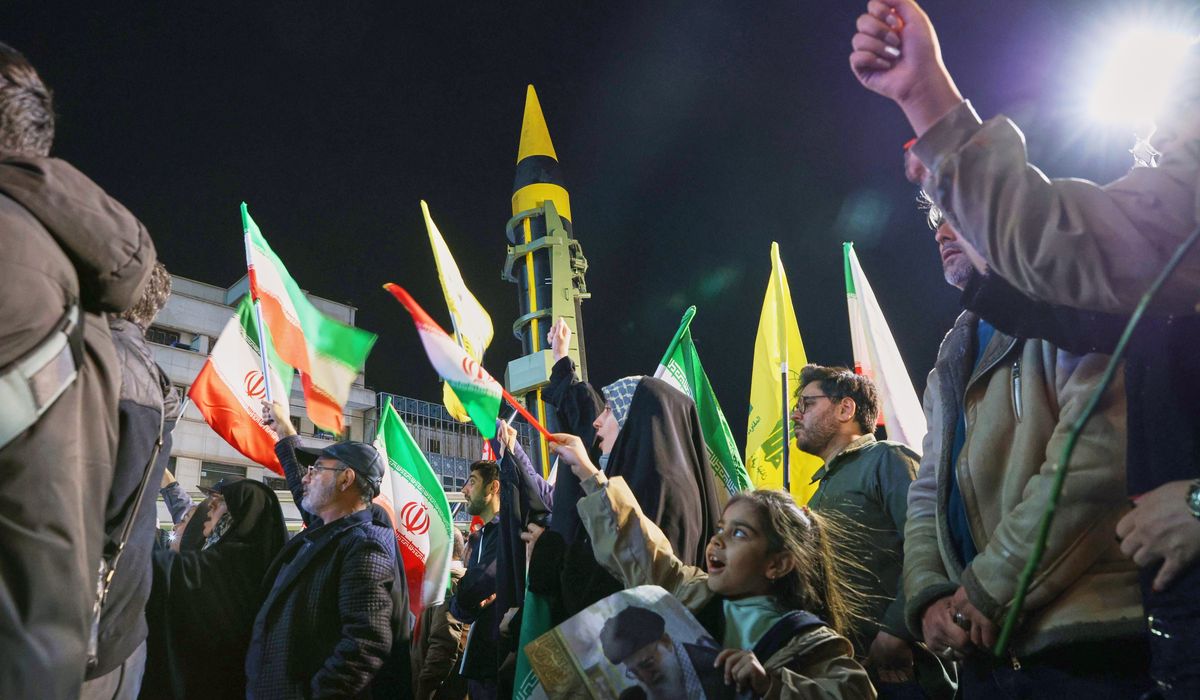
Alex Vatanka, a senior fellow at the Middle East Institute, speaks about the aftermath of recent U.S.-Iran tensions, weighing whether Tehran has accomplished strategic goals and examining how mistaken assumptions shaped American political reactions.
Alex Vatanka, a senior fellow at the Middle East Institute, joins the conversation with clear-eyed analysis about where Iran stands after its recent actions and responses from Washington. His perspective focuses on political signaling, regional influence, and the military and diplomatic measures used by both sides. Vatanka’s assessment presses the question of whether Iran’s moves amount to a strategic win.
The core of the debate is captured by the description that Vatanka “joins the show to discuss whether Iran has won the war against the U.S. and how exactly President Trump came to the mistaken belief that the”. That unfinished line points to a deeper political issue: leaders can act on assumptions that shape policy and public perception. From a Republican view, assumptions that lead to miscalculation are dangerous and deserve scrutiny.
On the ground, Iran has demonstrated resilience and the ability to pressure neighbors and proxies across the region, especially in Iraq, Syria, Lebanon, and Yemen. Those actions matter because they alter the balance of deterrence and complicate America’s strategic choices. Republicans should insist on evaluating whether these moves produced lasting gains for Tehran or merely tactical public relations victories.
Vatanka also dissects the intelligence and messaging failures that can create false narratives about who “won” in a confrontation. The concern is not just about battlefield outcomes but about credibility and deterrence: if adversaries believe the United States will shrink from consequences, they will test limits. A Republican approach stresses that clarity, credible deterrence, and consequences are essential to prevent future aggression.
Another thread in Vatanka’s take is how domestic politics and media framing affect foreign policy decisions. Leaders respond to public pressure, partisan narratives, and advisers who may overstate or understate risks. From a conservative angle, that dynamic argues for measured strength: act when interests are clear, but avoid hollow gestures that embolden opponents.
Diplomacy plays a role, but only when backed by the credible threat of force and consistent policy. Republicans generally favor a tough posture combined with leverage in negotiations, and Vatanka’s analysis underscores the need for realism when assessing Iran’s long game. Policymakers should weigh whether concessions or showy responses actually reduce Tehran’s capabilities or simply allow them to consolidate influence.
The conversation also touches on how regional partners evaluate U.S. resolve. Allies watch closely for patterns, and mixed signals can push countries to hedge or seek alternative security arrangements. Vatanka’s commentary warns that perceived American inconsistency creates openings for Iran to expand its footprint through local militias and political influence.
Finally, accountability matters. If strategic errors occurred, leaders must understand how they happened and correct course without panicking or overcommitting. A Republican lens favors clear-eyed lessons: reinforce intelligence integrity, shore up deterrence, and make policy choices that protect American interests and our partners. Vatanka’s contribution is a prompt to reassess tactics, not abandon principle.

