

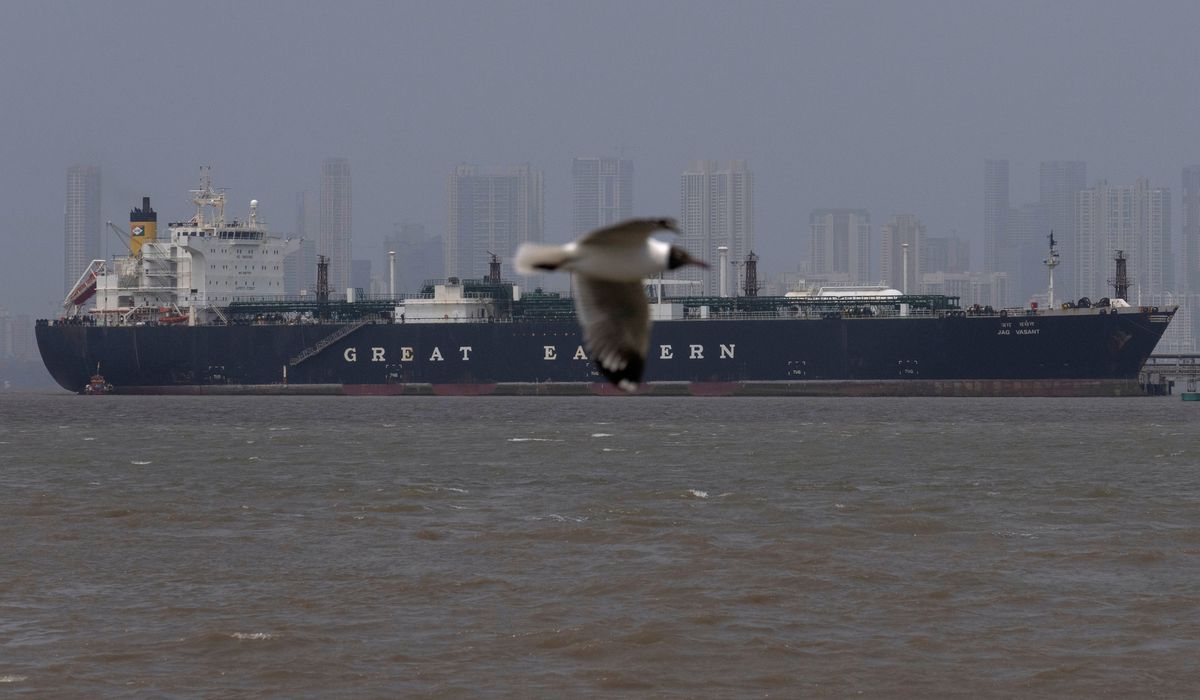
Iran struck an oil tanker near Qatar and hit Kuwait’s airport as airstrikes pummeled Tehran, unfolding in the hours after U.S. President Donald Trump said he was nearly
Iran’s recent strikes against an oil tanker off the coast of Qatar and an attack on Kuwait’s airport came amid heavy airstrikes on Tehran, creating a rapid escalation in an already tense region. The incident stacked hours after U.S. President Donald Trump said he was nearly, a fragment that was widely reported as part of the unfolding reactions. The pattern shows Iran willing to operate aggressively across the Gulf, testing regional defenses and international patience. Republican commentators see these events as confirmation that firm deterrence is necessary.
The strike on the tanker and the airport attack are concrete examples of Iran using asymmetric tactics to extend pressure beyond its borders. Hitting commercial maritime traffic and civilian infrastructure invites broader international concern and risks dragging neighboring countries into the conflict. From a Republican perspective, this kind of behavior demands clear, proportional responses to protect trade lanes and civilian targets. The message should be: aggression has costs, and those costs must be immediate and noticeable.
The airstrikes on Tehran themselves change the calculus. Strikes inside Iran suggest a willingness by adversaries to hit back hard, or they reflect internal military choices that exposed targets in the capital. Either way, Tehran’s posture has moved beyond proxy skirmishes into direct engagement on a larger scale. That reality calls for a reassessment of U.S. commitments and the posture of regional partners to ensure stability.
For American policy, this is not a moment for wishful thinking or equivocation. Republicans argue that strength and clarity are the primary tools to prevent escalation and protect allies. Maintaining superior intelligence, flexible strike options, and credible deterrence will reduce the likelihood Iran believes it can act with impunity. Soft diplomacy alone will not dissuade a regime that mixes conventional threats with clandestine attacks.
Regional partners like Saudi Arabia, the United Arab Emirates, Qatar, and Kuwait are now squarely in the crossfire of Tehran’s campaign, whether by design or by consequence. Gulf states have to harden defenses, improve coordination, and insist on clear Western support for maritime security. The U.S. role should be to lead coalition efforts that secure shipping lanes and provide the military and intelligence backbone necessary to deter further attacks.
Economic levers should remain in play as part of a multi-layered response. Swift, targeted sanctions can squeeze the regime’s ability to fund malign activities abroad while avoiding undue harm to civilians in neighboring countries. Republicans typically favor a mix of military preparedness and economic pressure that pinpoints state actors and their financial networks without paralyzing global energy markets.
Diplomacy can follow a position of strength, not the other way around. Any negotiations must include verifiable commitments and an end to sponsorship of proxy forces. Republicans believe realistic diplomacy recognizes power imbalances on the ground and leverages them to achieve durable outcomes. Until Tehran changes its behavior, the international community should treat its commitments skeptically.
At home, political leaders must speak plainly and act responsively. Confusion or mixed signals only embolden adversaries and worry allies. A clear, consistent American policy that blends deterrence, defense cooperation, and economic tools is the most effective route to prevent further attacks and preserve regional order. The events off Qatar and in Kuwait underline how quickly regional incidents can spiral if they are not met with resolve.
Finally, the risk of miscalculation is real and must be managed carefully. Commanders and policymakers need tight control over escalation ladders, reliable communications with allies, and contingency plans that limit civilian harm. Republicans favor readiness and clarity so that deterrence is not merely rhetorical but backed by visible capability. The consequences of failing to do so would be strategic and long-lasting for the region and U.S. interests.

