

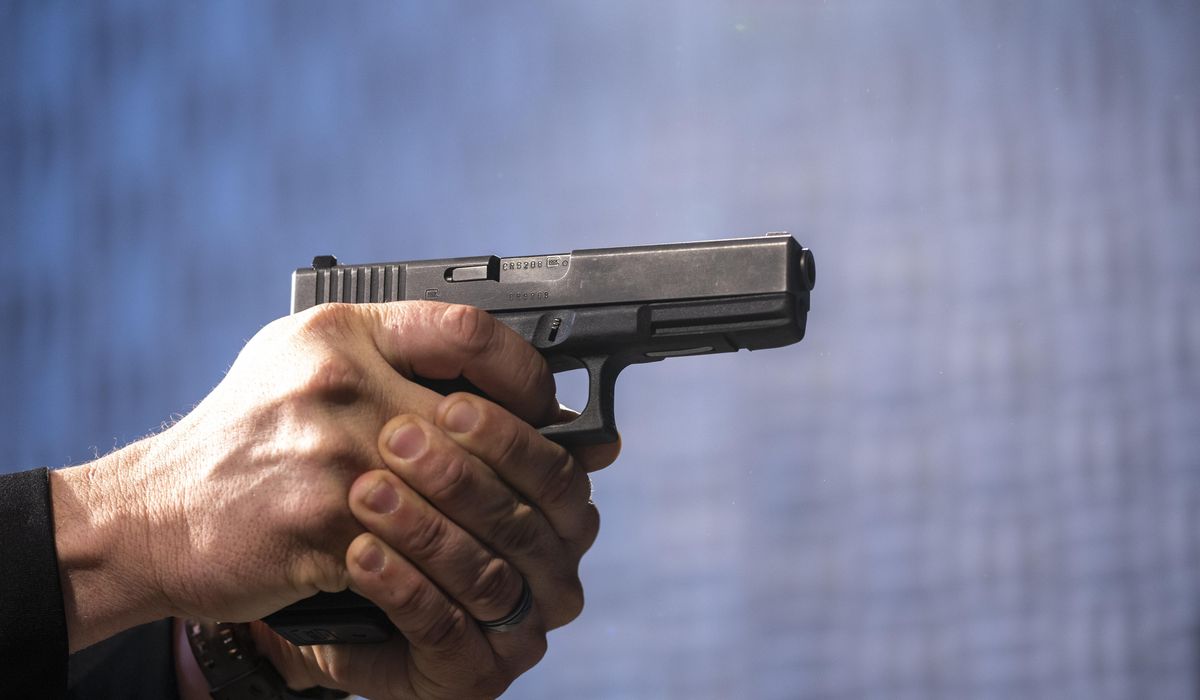
The Justice Department has opened an investigation into whether Philadelphia Police are improperly revoking permits to carry legal firearms, the department announced. This development brings federal scrutiny to local permit practices and puts questions about due process and gun rights squarely in the spotlight. It matters to residents who rely on lawful permits and to policymakers watching how city agencies treat constitutional protections.
The announcement landed like a cold splash for permit holders and conservatives who have warned about overreach for years. Local officials who manage permits operate at the intersection of public safety and individual rights, and any hint of arbitrary revocation undermines trust. Republicans will watch closely for whether revocations followed clear rules or whether they were used as a shortcut to deny lawful carry.
Philadelphia has a history of strict approaches to firearms regulation, and that context fuels concern among Second Amendment supporters. Law-abiding citizens who go through background checks and meet legal standards expect neutral, consistent treatment. When permits vanish without a transparent process, the natural reaction is to demand an accounting from both police leadership and elected officials.
The Justice Department stepping in signals the federal government sees potential civil rights issues worth examining. For many conservatives, federal involvement is only welcome when it protects constitutional freedoms from local misuse. This probe could force local authorities to justify their policies and their implementation under a microscope.
The heart of the issue is fairness. Permit holders say they followed the law and still lost their ability to carry because of administrative decisions that were murky at best. That tension between administrative discretion and clear legal standards is exactly what breeds litigation and political backlash.
Republicans argue that gun policies should be predictable, not whimsically enforced. When enforcement becomes patchwork, it destroys confidence in both the police and the permitting system. The DOJ inquiry could restore order by clarifying whether officials acted within legal bounds or crossed a line.
Advocates for strict local control will frame this as federal intrusion, but plenty of conservatives see a federal role when local actors threaten individual rights. The debate will be loud and legalistic, with civil rights and constitutional arguments front and center. Expect legal teams on both sides to parse precedent and administrative rules for months.
The consequences for Philadelphia are practical as well as political. If the Justice Department finds problems, the city might have to revise procedures, retrain staff, or even face lawsuits and remedies. That kind of accountability is what voters asked for when they demanded government that follows the law and treats citizens fairly.
On the other hand, if no systemic issues are found, local leaders will claim vindication and critics will have to reassess their claims. Either result will shape the political conversation going forward, especially in campaigns where public safety and constitutional rights are battleground topics. Republicans will use any findings to press for clearer standards and better safeguards against arbitrary decisions.
Reports say affected residents have been stunned by sudden revocations, sometimes getting little explanation beyond vague administrative language. That lack of transparency is politically costly and legally risky for any agency. Conservatives often stress that transparency and due process are nonnegotiable when rights are at stake.
Lawyers on both sides will comb through permit files, correspondence, and policy documents to build a picture of how decisions were made. For federal investigators, documentation and pattern evidence are crucial to proving whether revocations were improper. This is not just about isolated cases; investigators look for patterns that show a systematic problem.
The political fallout will extend beyond Philadelphia city limits. How the DOJ handles this investigation could shape debates about federal oversight of local law enforcement in other cities with strict gun controls. Republican policymakers will push to ensure that protections for legal gun owners are respected nationwide, while critics will argue for local discretion in public-safety decisions.
Whatever the outcome, the episode underscores a broader lesson about government power and individual rights. When administrative processes are opaque, accusations of bias and overreach multiply quickly. That dynamic fuels political polarization and invites federal scrutiny whenever local handling appears unfair.
Watch for public records releases, interviews with affected permit holders, and official statements from both the Justice Department and Philadelphia authorities in the coming weeks. The investigation will likely unfold through legal filings and media coverage that highlight procedural questions and the real impact on citizens. The stakes are high for constitutional clarity and for the reputations of the agencies involved.

