

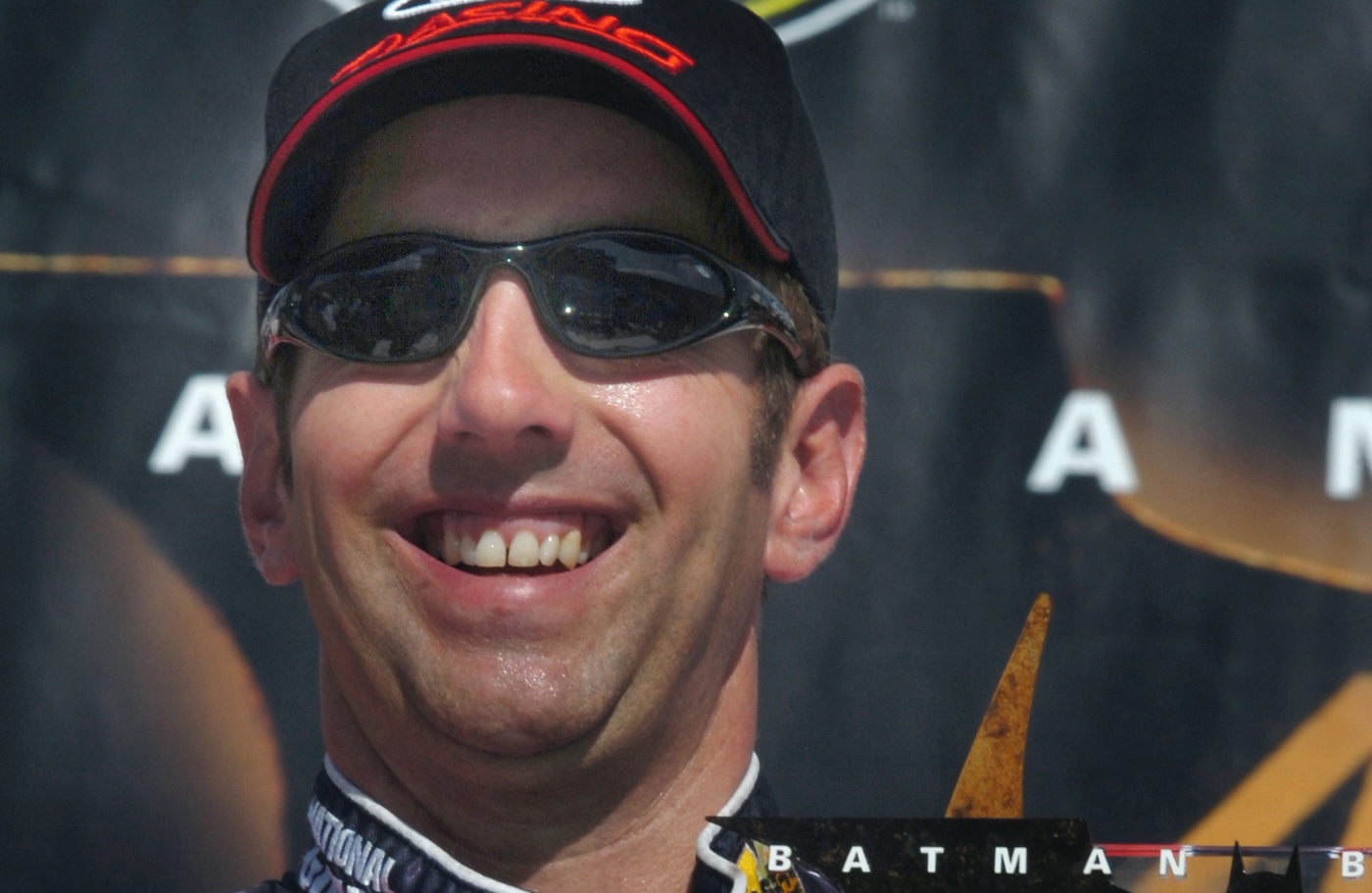
Greg Biffle built a career at the top of American stock car racing and stepped up to help neighbors in the wake of Hurricane Helene, showing the kind of public profile that can turn attention into aid.
Greg Biffle rose through the ranks of stock car racing to compete on national stages, earning respect for his speed and steady presence in high-pressure events. His success on track created a platform that let him connect with fans and communities beyond the racetrack. That visibility made his post-storm efforts more noticed and impactful for those who needed help.
On race day, a driver is judged by lines, timing and composure, and Biffle demonstrated those traits through long seasons and tough weekends. He combined technical skill with an approach that kept him competitive where it mattered most. That blend of talent and temperament is what pushed him into the upper tiers of the sport.
Athletes who earn public attention often get called on when trouble hits, and Biffle responded when Hurricane Helene caused suffering in affected communities. He did not just issue statements; he moved to offer hands-on help and support where it counted for people coping with loss and disruption. That sort of personal involvement can turn celebrity into useful, immediate relief.
Beyond physical assistance, people with a public profile can point resources and attention at problems that might otherwise fade from headlines. Biffle used his platform to draw awareness to needs in storm-damaged areas, helping to keep relief efforts visible to a broader audience. In disasters, even short bursts of attention can accelerate aid and volunteer turnout.
Fans often remember a driver for a single dramatic win, but communities recall who showed up when things went wrong. For many locals affected by Helene, having a recognizable figure nearby helped sustain morale during recovery. That human connection—seeing someone known for their success offer solidarity—has genuine value in crises.
On the racetrack, teamwork is visible: crew chiefs, spotters, pit crews and drivers all depend on each other. Off the track, disaster response follows a similar blueprint of coordination, logistics and clear roles. Biffle’s experience with organized, high-stakes operations translated naturally into working alongside volunteers and relief groups to support recovery efforts.
Being part of relief isn’t always about headline gestures; practical tasks like helping distribute supplies, visiting shelters and listening to residents’ needs make tangible differences. Those steady, hands-on actions often sustain communities long after the initial news cycle moves on. People affected by hurricanes value consistent, practical help as they rebuild home routines and livelihoods.
Sporting figures who remain connected to their communities can bridge gaps between strangers and institutions, and Biffle’s involvement after Hurricane Helene is an example of that. The combination of public recognition and a willingness to get involved can accelerate partnerships, donations and volunteer engagement. In many cases, that multiplied effort is what makes recovery possible.

