

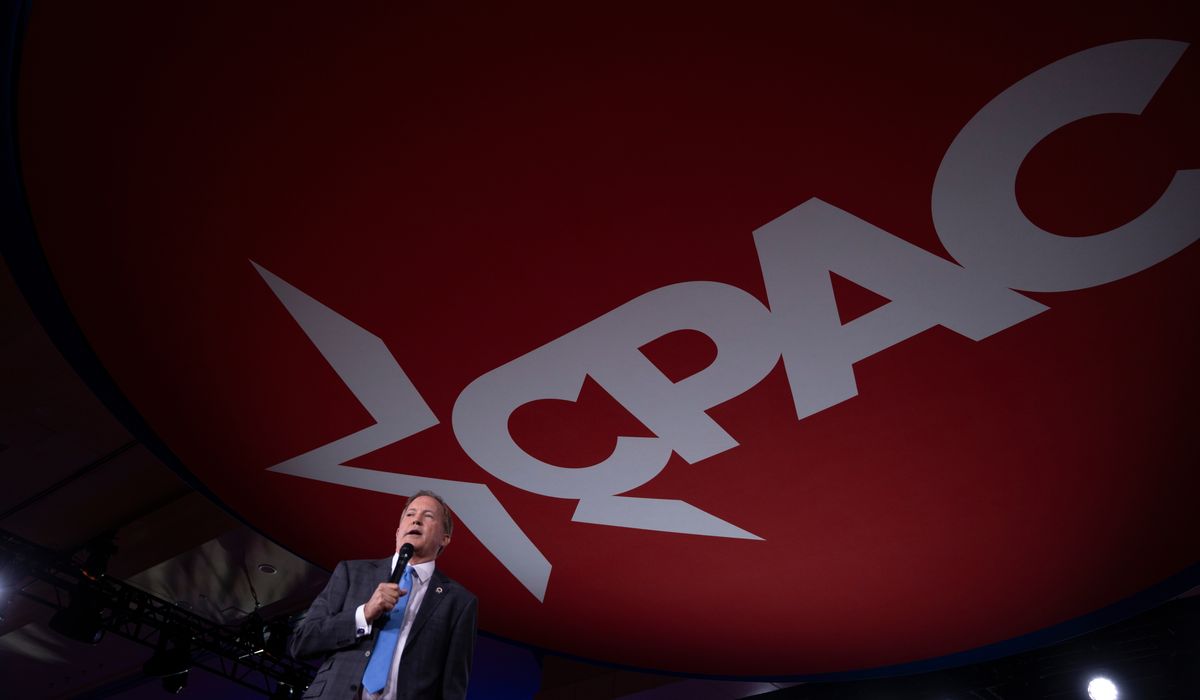
White House messaging pushed back on claims that a major conservative gathering has faded from relevance, stressing continued ties between President Trump and the broader movement.
White House Press Secretary Karoline Leavitt said Monday that President Trump does not think the Conservative Political Action Conference has become irrelevant. That line landed in the middle of a larger conversation about where conservative organizing goes next and who sets the tone for grassroots activism. For Republicans watching, it was a clear note from the administration about where they place value. The comment is short, direct, and meant to settle chatter about CPAC’s standing.
CPAC has long been a place where activists, elected officials, and conservative thinkers show up to make their case and test messages. It functions as both a policy showcase and a political stage, and it often sets the tone for what voters and donors hear heading into campaigns. People who follow conservative politics know that influence is more than attendance alone; it’s about momentum and the signals sent to activists and funders. That combination keeps these events relevant even when critics argue otherwise.
From a Republican perspective, the question of relevance misses the point: influence is earned through ideas and results, not optics. When leaders use the conference to announce plans or rally the base, it matters in real time. Grassroots energy generated at these gatherings can ripple into primary fights and local races. The practical benefit is simple—CPAC and similar events give conservatives a concentrated forum to coordinate and amplify priorities.
Leavitt’s statement is a reminder that the White House views relationships with conservative institutions strategically. By saying President Trump does not view CPAC as irrelevant, the administration signals a willingness to stay engaged where conservative voters are active. That message reassures organizers and activists who worry about being sidelined during broader political reshuffles. It also pushes back on narratives that try to write off traditional conservative platforms.
Critics of conference-style politics point to changes in media habits and shifting activist preferences, and that critique has merit in some corners. Still, live forums and headline speeches continue to command attention from donors, local organizers, and national media alike. The ability to deliver a message in person, to a concentrated audience, is a tool campaigns and causes will keep using. So long as these gatherings offer visibility and networking, they will retain practical value.
The bigger picture for Republicans is how to turn conference energy into on-the-ground results. That means selling clear policy goals, building durable coalitions, and translating big-stage enthusiasm into voter turnout. People who run campaigns want platforms that can move money, volunteers, and votes, and organizations that do that well remain part of the toolbox. Political influence shifts over time, but institutions that adapt keep their place.
Discussion about relevance often masks a more useful question: how do conservative institutions evolve to meet current challenges while preserving their core role? That’s the operational debate activists and leaders need to have. The White House comment is just one signal among many that the ties between party figures and conservative institutions are still active and worth watching. The politics will keep moving, and those who show up with ideas and discipline usually lead the conversation.

