

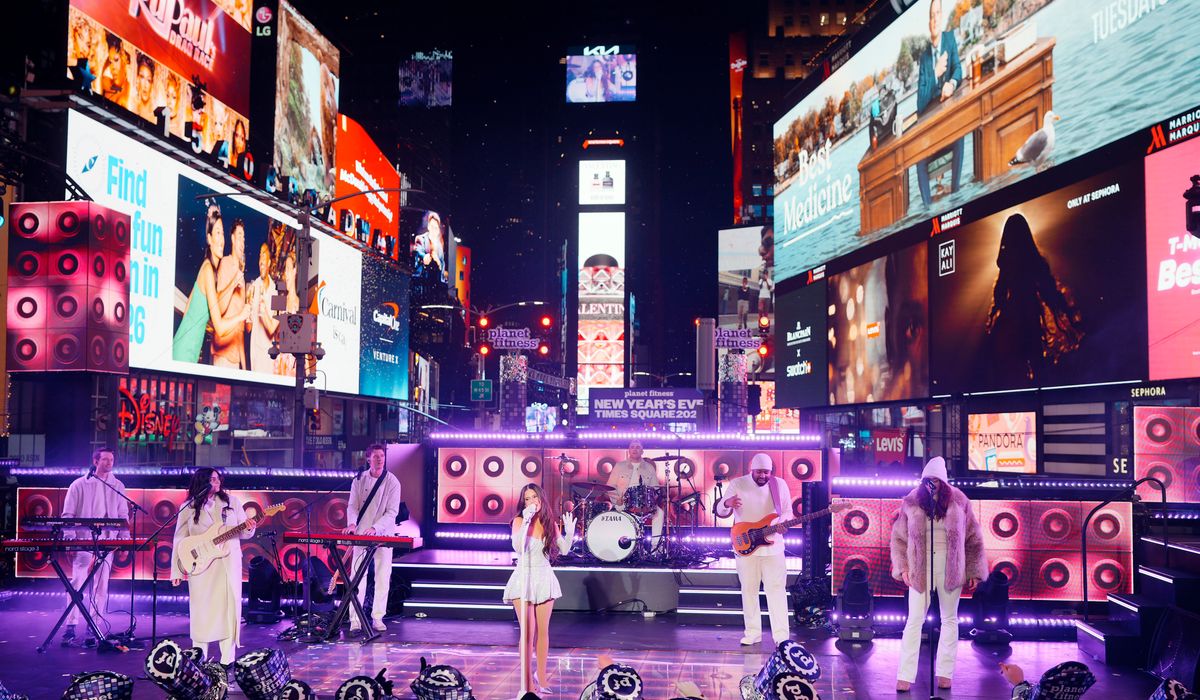
Across the globe, cities marked the turn of the year with everything from massive fireworks and drone light shows to quieter gatherings, reflecting different tastes, budgets and local rules.
From Sydney to Paris to New York City, crowds rang in the new year with exuberant celebrations filled with thunderous fireworks or light shows, while others took a more subdued approach. In many places the night felt both familiar and new: traditional pyrotechnics shared the stage with coordinated drone displays and curated light spectacles. People traveled, planned and came together, and planners balanced spectacle with safety and cost.
Big, ticketed events dominated city centers and waterfronts, drawing visitors eager for a single headline moment. Organizers leaned on elaborate staging, synchronized music and broadcast feeds to make those moments feel cinematic for people both present and watching from home. That scale brings logistical headaches: crowd control, transport, emergency planning and policing that eat into municipal budgets and generate heated local debates.
Smaller communities and private parties offered a quieter counterpoint, centered on neighborhood gatherings and family dinners. Those celebrations usually avoided the noise and expense of large public pyrotechnics while still delivering a sense of ritual and togetherness. For many, the value came from company and reflection rather than spectacle.
Cities that replaced fireworks with drone shows or projection art highlighted environmental and safety concerns as a major influence on choices. Drones reduce fire risk and air pollution, and projection shows spare residents with noise sensitivity from loud explosions. Yet drone setups can be costly and technically demanding, and the switch doesn’t eliminate debate about public spending and artistic taste.
Tourism hotspots used New Year events to boost local economies, knowing that landing a memorable celebration can sell a destination for the entire year. Hotels, restaurants and transit systems saw surges in demand that require careful capacity planning. Local officials juggle that upside against the strain on services and the potential need for temporary restrictions in residential zones.
Safety and public health remained front and center for planners and attendees alike, especially in venues with packed crowds. Organizers doubled down on visible first-aid posts, rapid-exit routes and communication systems to manage large numbers efficiently. Those precautions shape attendee behavior: people arrive earlier, coordinate meeting points and use mobile tools to track transport options.
Costs are a recurring discussion point. High-profile displays can be expensive to produce and maintain, and those expenses sometimes draw criticism when paid from public funds. Some places turned to sponsorship, ticketing or mixed funding models to cover production costs, while others scaled back displays to fit smaller budgets or redirected resources toward community services.
Media coverage and social feeds amplified standout moments, turning local events into viral clips within hours. That creates pressure to deliver moments built for cameras as much as for live audiences, reshaping how shows are designed. At the same time, many people reported appreciating less flashy, more personal moments — impromptu music in a square, a quiet rooftop countdown, or a small fireworks display shared among friends.
Looking forward, event organizers will keep testing mixes of spectacle and restraint: drone choreography, projection mapping, timed fireworks and hybrid formats that try to please multiple audiences. Whatever the mix, the night reinforced a simple fact: people want to mark transitions together, whether under a sky full of fireworks or a softer, neighborhood glow. The variety on display this year made it clear that cities are adapting their celebrations to fit a wide range of expectations and practical limits.

