

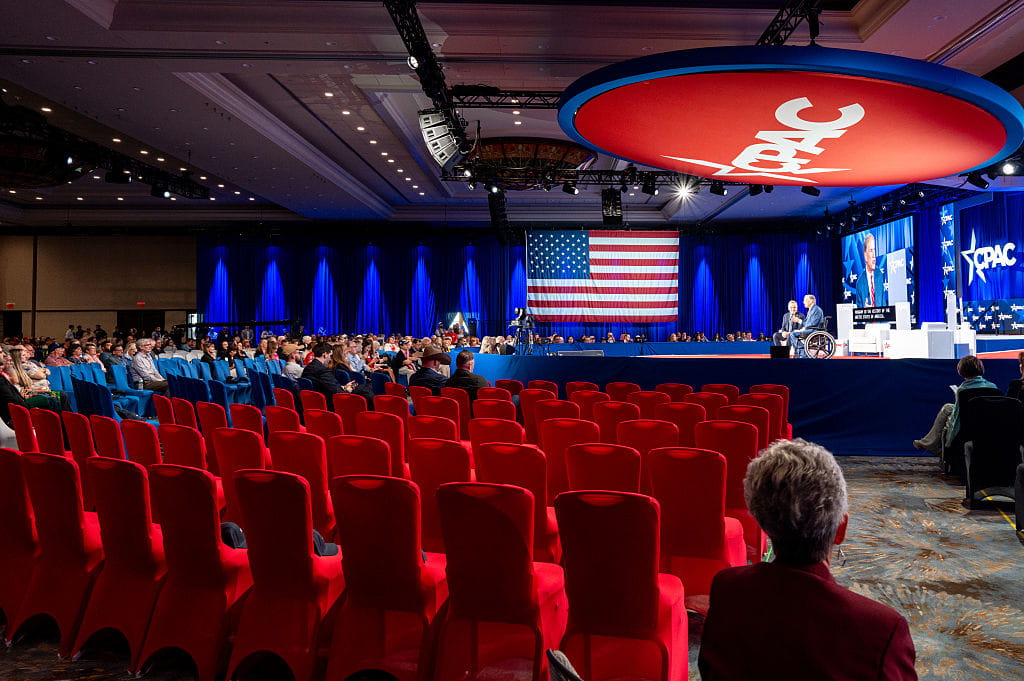
CPAC opened March 25 in Grapevine, Texas, under an unusually tense atmosphere as President Donald Trump skipped the gathering for the first time in a decade and a heated GOP Senate primary laid bare divisions inside the conservative movement.
CPAC returned to Grapevine, Texas, on March 25 with the usual energy but a different tone. For the first time in ten years, President Donald Trump did not attend, and that absence was impossible to ignore. The event quickly turned into a barometer of competing priorities inside the Republican Party.
The 2026 conference made clear that the GOP is wrestling with its identity as much as its strategy. A bitter Senate primary became a focal point, showing voters and activists which factions are gaining momentum and which are losing ground. Attendees watched candidates trade sharp attacks while outside conversations focused on electability and loyalty.
What stands out is how personal many of the fights have become, moving beyond policy into character and loyalty tests. Populist energy still drives large parts of the floor, but establishment figures keep pressing a pragmatic case about winning back seats. That tug-of-war played out in speeches, side panels, and private huddles across the hotel conference rooms.
Policy arguments at CPAC ranged from border security and energy independence to economic freedom and cultural issues, but the tone often returned to one question: which approach actually wins elections? Delegates expressed frustration with pieties and a hunger for concrete plans that can be sold to voters. That pragmatic streak put some traditional conservative priorities back in sharp focus.
Another recurring theme was the role of personality in modern politics. Several speakers argued that movement-building needs a leader who can inspire and organize, while others warned against overreliance on any single figure. This debate is not academic; it directly affects who gets resources and endorsements in competitive primaries across the country.
Grassroots organizers reported mixed signals about how to spend energy this cycle. Some want to funnel cash and volunteers into primaries to push preferred candidates, while others prefer concentrating on general election targets where the path to power seems clearer. That strategic divide is likely to shape messaging and turnout tactics over the coming months.
Media attention at CPAC naturally circled the most contentious moments, but much of the real work happened in smaller, overlooked sessions. Activists and donors met behind closed doors, planning ground games and vetting candidates for loyalty and competence. Those conversations often determine the fate of campaigns long before headlines pick up on them.
For Republican voters concerned about governing, the conference underscored the need to marry bold rhetoric with operational competence. Advocates pushed for clearer policy blueprints that can be implemented quickly if Republicans regain or expand control in statehouses and Congress. That emphasis on concrete delivery signals a shift from pure messaging to measurable outcomes.
Looking forward, the energy at CPAC suggests the party will continue to wrestle with these internal choices. Primary fights will probably intensify as activists seek to shape candidate fields, and the absence of a unifying presidential presence at the event left room for new leaders to step up. What happens next in those contests will tell us more about the GOP’s political direction than any single speech at the conference.

