

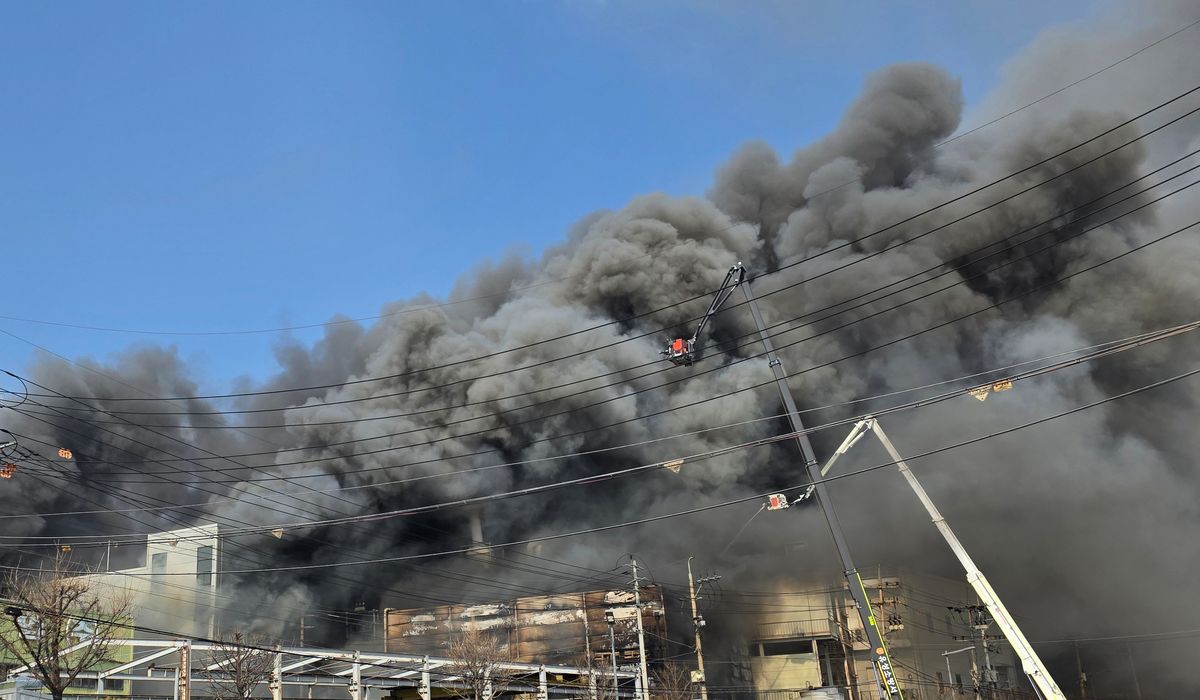
Rescue teams in Daejeon recovered 10 bodies from the charred wreckage of an auto parts factory after a blaze, likely sparked by an explosion, left the site gutted and others hurt.
Emergency crews spent hours combing through twisted metal and scorched machinery to pull out the 10 victims, confronting unstable structures and lingering smoke. The scene in central Daejeon looked like the aftermath of a blast, with walls blown out and production lines reduced to rubble. Witnesses described intense heat and loud booms as firefighters raced to contain flames that raced through the plant.
Authorities have said the fire was probably triggered by an explosion, though investigators are still piecing together what ignited the initial blast. Teams at the site are documenting debris, gathering surveillance footage, and interviewing workers and first responders to map the chain of events. For now, the cause remains under formal review while evidence is secured and laboratory tests are ordered.
Medical crews treated several people at the scene and transported others to nearby hospitals, where staff scrambled to stabilize burn and smoke inhalation cases. Local hospitals described receiving patients with a range of injuries typical of factory fires, including burns and respiratory distress. Families and coworkers waited nearby for news, trying to get a clear accounting of who was injured and who was missing.
The factory produced auto parts, a sector that relies on heavy machinery, flammable materials, and tight production schedules that can magnify risks when safety breaks down. Industrial accidents like this expose how quickly routine operations can become life-threatening when protocols fail or equipment malfunctions. That reality has led to renewed calls for better oversight and stricter enforcement of workplace safety measures.
Officials have vowed to examine compliance records and permit histories for the facility, and to review whether safety audits had been carried out on schedule. Investigators are expected to look at storage and handling of chemicals, maintenance of presses and welders, and whether emergency exits and suppression systems functioned properly. Any lapses found could shape charges, fines, or regulatory changes down the line.
For those left behind, the human cost is immediate and raw: families are dealing with loss, coworkers are grieving, and a community is questioning how a workplace turned deadly. Support systems have begun to mobilize, with counseling and administrative help offered to survivors and relatives trying to identify victims. At the plant, production will be halted while investigators work, leaving colleagues and managers to face unclear economic and legal consequences.
Industrial safety experts note that preventing such tragedies usually requires a mix of engineering controls, regular training, and a culture that empowers workers to speak up about hazards. Proper maintenance schedules, independent inspections, and clear emergency procedures all reduce risk, but only if they are consistently applied and enforced. In the wake of this fire, conversations about accountability and prevention are likely to intensify across the manufacturing sector.
As evidence is gathered, authorities will balance criminal inquiry with regulatory review, aiming to determine whether the explosion and fire were the result of negligence, an accident, or a combination of factors. The investigative timeline can be long, involving forensic analysis and reconstruction of the blast sequence. Meanwhile, the immediate job is recovery and care for those affected while the community waits for answers and for officials to lay out next steps.

