

The midterm elections put 470 members of Congress on the ballot and have President Donald Trump deeply involved, as Republicans see a clear path to protect gains and push conservative priorities while countering the Democrats’ messaging and turnout efforts.
With control of both chambers of Congress hanging in the balance, the stakes could not be higher for the GOP. Four hundred seventy members of the House and Senate are facing voters this November, and many of those races sit in suburban and swing districts where turnout will decide the outcome. Republican campaigns are sharpening their messages on the economy, public safety, and border security to connect with voters fed up with crime and confusing leadership in Washington.
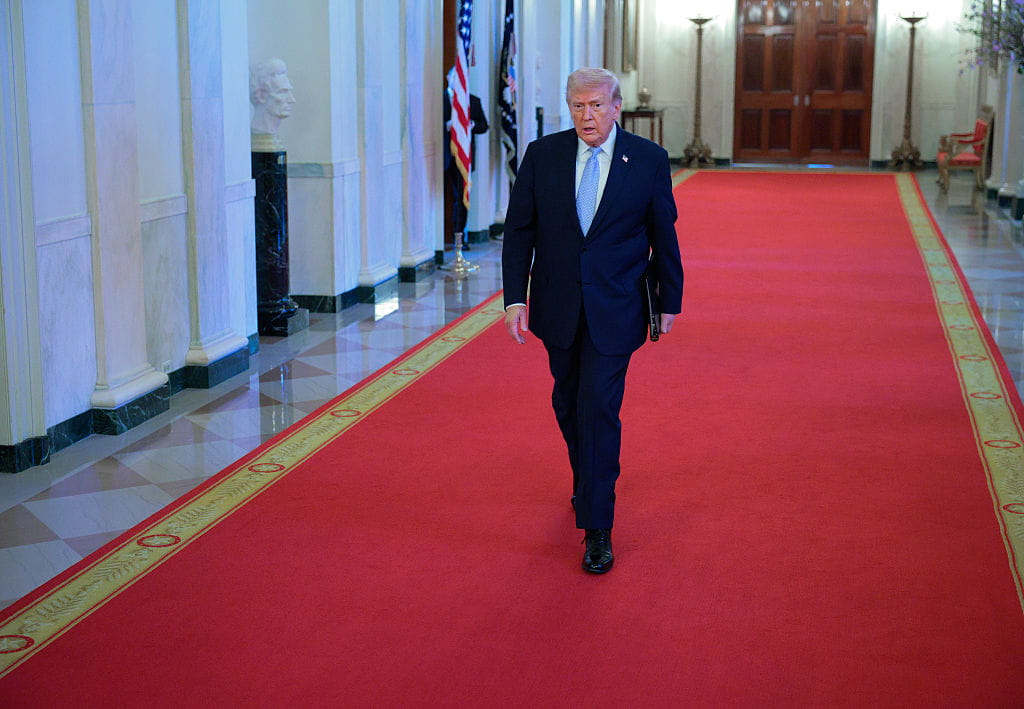
President Donald Trump has an obvious interest in the outcome and has promised to devote as much time and energy as needed to help candidates who back his agenda. His rallies still draw big crowds and media attention, and those appearances serve two purposes: they rally the base and force Democrats to defend eight years of failed policies. GOP strategists see Trump as an asset who can convert enthusiasm into early votes and same-day turnout where it matters most.
The math in the Senate is tough but winnable for Republicans if the party executes smartly. Several vulnerable seats are in states that have trended conservative on economic and cultural issues, and Republican hopefuls are highlighting steady messages on taxes, jobs, and support for law enforcement. The House map is more complicated, with dozens of districts shaped by local concerns and national narratives alike, so targeted messaging and disciplined resources will be decisive.
Fundraising and ground operations are the engine of this fight. Republican donors have responded to the narrative of urgency, pouring money into key battlegrounds and candidate support networks. Equally important is the local volunteer network: door-knocking, phone banking, and neighborhood events turned into votes count more than flashy ads. The Republican approach focuses on a steady drumbeat of issues voters care about rather than chasing every headline the press throws up.
Policy clarity is a major advantage for Republicans if they use it. Voters want a straightforward case: grow the economy, secure the border, reform the schools, and restore public safety. Republican candidates are pointing to practical steps—regulatory rollbacks, pro-growth tax policies, and tougher enforcement at the border—that contrast with Democratic promises that often lead to more spending and less accountability. Clear choices make it easier for voters to decide, and that helps candidates up and down the ballot.
Messaging about culture and education continues to motivate voters who have seen their local schools and communities change in ways they did not expect. Republicans are tapping into that concern by supporting parental rights, opposing radical curricula, and promoting school choice. These topics are translating into turnout among suburban parents and working-class families who feel ignored by the political establishment. The GOP’s challenge is keeping the focus on these kitchen-table issues, not getting distracted by media cycles.
Election security and integrity will be a constant talking point at rallies and in campaign materials. Republicans argue that every legal vote must count and that transparent procedures build trust in outcomes. That message plays well with voters who simply want fair, trustworthy elections and clear timelines on counting and certification. It also forces Democrats to be specific rather than relying on vague assurances about the voting process.
Ultimately, success depends on turnout and discipline. Republicans need to convert enthusiasm into ballots, especially in midterm environments where enthusiasm gaps can swing results. Candidates who stick to a consistent, optimistic message about prosperity and security, while offering concrete local solutions, will have the best chance to hold or flip seats. The November results will reflect whether the GOP can blend national leadership and local focus into a winning formula without getting mired in endless media distractions.

