

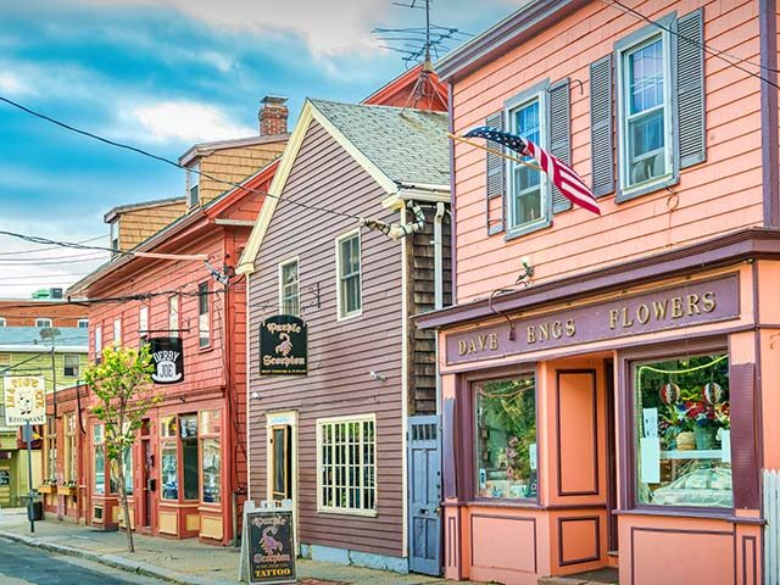
Salem, Massachusetts, is the latest city to introduce a guaranteed income program aimed at helping low-income residents. Mayor Dominick Pangallo announced the initiative, called “Uplift Salem,” which will provide 100 selected participants with $500 per month for one year. The program, part of a growing national trend, is designed to alleviate poverty and provide economic stability to some of Salem’s most vulnerable citizens.
This guaranteed income program, launched in collaboration with the California-based organization UpTogether, will not impose any restrictions on how recipients use the funds. Participants are free to spend the money however they see fit, whether on housing, food, medical expenses, or other needs. The goal is to empower low-income individuals by giving them the financial flexibility to make decisions that improve their lives.
In addition to the 100 recipients of the monthly payments, another 100 people will be included in the study as a comparison group. These individuals will not receive the regular cash stipends but will be compensated for answering questions as part of a study conducted by Salem State University. The results of this study will help gauge the effectiveness of guaranteed income programs in improving economic conditions for low-income households.
Mayor Pangallo expressed enthusiasm for the program, which he sees as part of a broader effort to address poverty and make Salem a more affordable place to live. “I’m excited to announce the launch of Uplift Salem, our guaranteed income pilot program to help directly address poverty in our community,” Pangallo said. He added that he hopes the study’s findings will contribute to the national conversation about the efficacy of guaranteed income programs, possibly leading to more robust state and federal support.
Pangallo is part of the “Mayors for a Guaranteed Income” network, a coalition of mayors across the United States who support guaranteed cash payments for low-income individuals and families. The idea behind these programs is to provide a basic level of financial security without the bureaucratic hurdles and restrictions that often accompany traditional welfare programs. By giving people unconditional cash payments, the belief is that they will be better able to meet their unique needs, whether that means paying rent, buying groceries, or saving for future expenses.
Applications for Uplift Salem will open on October 28, with a two-week application window or until 350 eligible individuals apply. The first payments are expected to go out by December 1, providing some financial relief to recipients just in time for the holiday season. The program is being funded through a combination of federal funds from the Biden-Harris administration’s American Rescue Plan Act and a private contribution from UpTogether, amounting to a total of $685,000.
Salem’s program is part of a growing trend in Massachusetts and across the country. Other cities in the state, including Cambridge, Chelsea, and Worcester, have launched similar guaranteed income initiatives in recent years. These programs are part of an ongoing effort to combat poverty and provide more economic stability for families struggling to make ends meet.
For example, in Chelsea, a city known for its high levels of food insecurity, 2,200 families received $400 per month for nine months. The payments were targeted at families experiencing severe food insecurity during the COVID-19 pandemic. However, a Harvard Kennedy School analysis of the Chelsea program revealed that only 65% of the money was spent on food. This highlights the flexibility of guaranteed income programs, which allow recipients to allocate funds based on their most pressing needs, whether that be rent, utilities, or other necessities.
Supporters of guaranteed income programs argue that providing cash payments directly to low-income residents is a more efficient and dignified way to address poverty. Unlike traditional welfare programs, which often come with strict eligibility requirements and limitations on how funds can be used, guaranteed income gives recipients the freedom to decide how best to improve their lives. Proponents believe that people understand their own needs better than any government agency and should be trusted to use the money in ways that will benefit them and their families.
UpTogether CEO Jesús Gerena echoed this sentiment, saying, “We know guaranteed income works to help families achieve economic mobility. They know what’s best for their families and can be trusted to make decisions that move them ahead.” The organization, which has been involved in similar initiatives across the country, believes that providing unconditional cash payments can help break the cycle of poverty and provide people with the financial stability they need to pursue better opportunities.
Critics of guaranteed income programs, however, argue that such initiatives could disincentivize work or lead to irresponsible spending. While studies have shown that most recipients of guaranteed income spend the money on necessities like rent, food, and healthcare, opponents remain skeptical about the long-term impact of these programs. There is also concern about the sustainability of guaranteed income initiatives, particularly when they rely on federal funding or private donations.
As Uplift Salem prepares to roll out, the program will be closely watched by policymakers, economists, and social welfare advocates. The data collected by Salem State University will provide valuable insights into how guaranteed income affects poverty, economic mobility, and overall well-being. If successful, Uplift Salem could add momentum to the growing movement for guaranteed income at the state and national levels.
In the meantime, residents of Salem will have the opportunity to benefit from this innovative program, potentially lifting them out of poverty and providing them with the financial stability they need to build better futures for themselves and their families.


3 Comments
Oh yeah, so no requirements, I see 500.00 a month for drugs, alcohol, anything but what they ‘need’, is exactly what they will get, but getting proof of what the money was spent for is going to be impossible, unless they institute some kind of accountability. ‘Unconditional cash payments’ will lead to spending for anything and everything BUT what they really need! Most of those who are in ‘poverty’ are there because their families before them were there, and there is no training or incentive to rise above that for 99% of them. You will find the one now and then that truly wants a hand up and will make the most of it, but not in the majority by far!
Just like SNAP, there should still be some work requirement hours, plus severe consequences-automatic funds cut off for at least 6 months or permanently depending on the situation, especially if the money is used for drugs, alcohol, or any illegal activity. I don’t want people to live on the streets, but giving them everything for free doesn’t help either. There needs to be accountability, and a sense of pride in working and bettering oneself.
And everyone should pay taxes.
This is purely a transfer of wealth. The democrats are no longer hiding that they want this to be a communist country and are trying to institute the gems of communism everywhere. Studies have shown that a guaranteed income does NOT lift anybody out of poverty to help on the way to a better economic future but instead the ones receiving the FREE MONEY have been disincentived by knowing they can work less. TAKING FROM THE RICH AND GIVING TO THE POOR! THAT MY FRIEND IS COMMUNISM.