

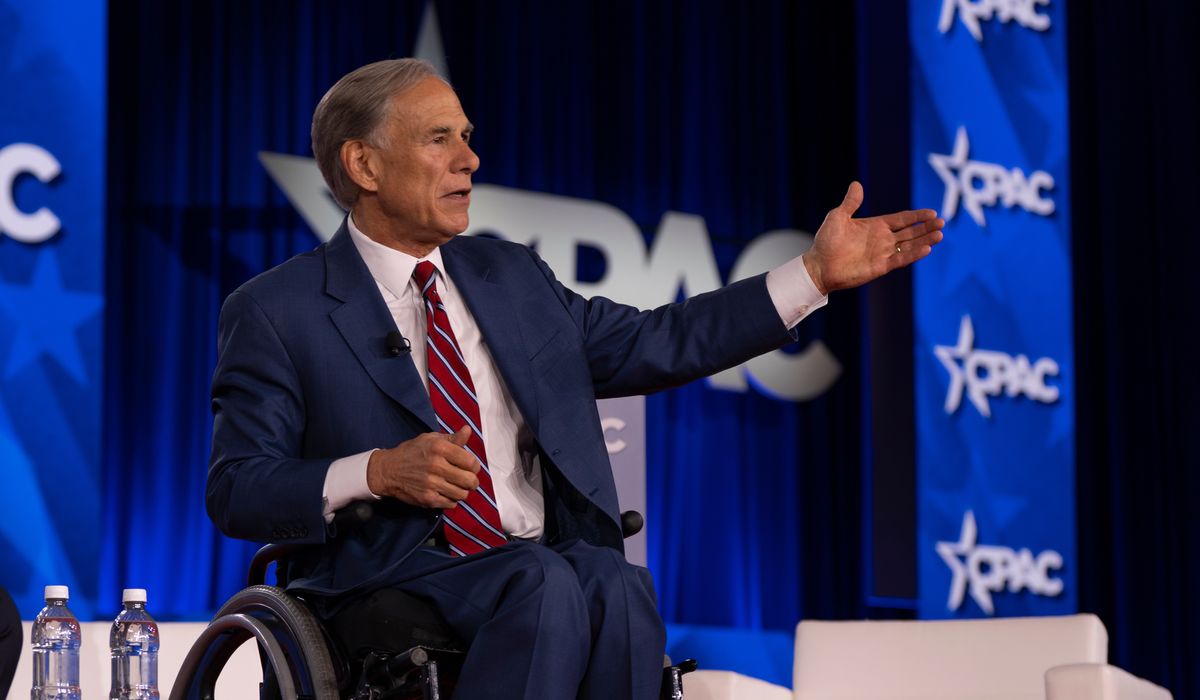
The Houston City Council altered an ordinance that had limited local police cooperation with federal immigration agents after the Texas governor threatened to strip the city of millions in funding. The move came under clear financial and political pressure and shows how state leverage can force local policy changes. The episode highlights the tensions between local autonomy and state authority over public safety and funding.
The original ordinance had restricted the extent to which Houston police could assist federal immigration authorities, reflecting local leaders’ priorities around community policing and immigrant trust. City officials argued the limits were intended to keep residents reporting crimes without fear of deportation. Critics, however, said those limits created law enforcement gaps and sent the wrong signal about obeying federal immigration laws.
On Wednesday, the city amended that ordinance after the governor warned of a funding cut of millions of dollars, a threat that altered the political calculus. Financial pressure matters in big-city budgets, and the prospect of losing state dollars forced council members to reassess the ordinance quickly. That calculus highlights a simple fact: money talks, and cities dependent on state support must weigh the cost of policy independence.
From a Republican perspective, the governor’s move was a straightforward defense of law and order and fiscal accountability. State leaders argued that funds should not flow to jurisdictions whose policies undermine cooperation with federal immigration enforcement. That argument frames the dispute as one about responsibility: taxpayers’ money should support public safety that works with, not around, federal partners.
The practical debate centers on whether local police should routinely share information and work directly with federal immigration agents. Supporters of cooperation say it helps remove criminal noncitizens and prevents repeat offenses. Opponents worry about chilling effects on community relationships and encourage policies they believe protect victims and witnesses who might otherwise avoid police contact.
Using budgetary leverage to influence local policy is controversial, but it is an increasingly common tactic in state-local battles. Withholding funds is blunt but effective; it forces immediate choices and can end up reshaping ordinances more quickly than prolonged negotiation. The Houston episode may serve as a template for other states that want to align local practices with statewide priorities on immigration and public safety.
The amendment itself came fast once the monetary threat was clear, and city leaders moved to avoid the fiscal hit while trying to preserve some local control. That balancing act is politically risky for city officials who want to maintain immigrant trust but also must keep essential services funded. The result is often compromise language and tighter provisions that restore cooperation without fully reversing local intent.
For the broader national conversation, this incident underscores a shifting power dynamic where state officials can use funding as leverage to enforce policy uniformity. Cities that prioritize local discretion now face tougher choices about when to stand their ground and when to yield to fiscal realities. The Houston change shows how quickly policy can flip when money and public safety are put into direct conflict.

