

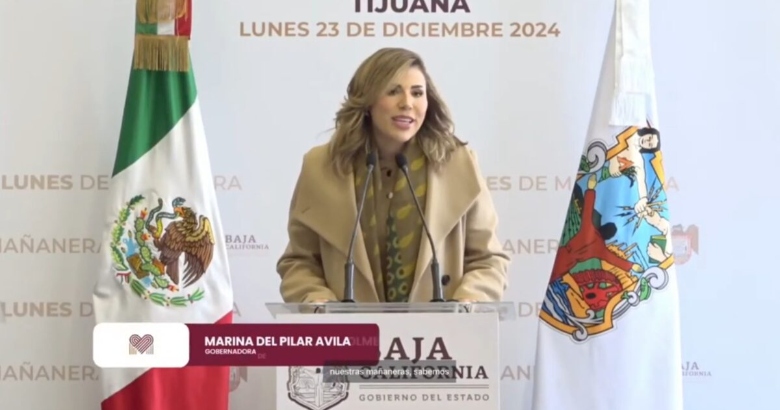
The government of Mexico is preparing for an anticipated surge in deportations by opening 25 shelters for Mexican citizens expected to be sent back under the incoming Trump administration. These shelters, announced by Baja California Governor Marina del Pilar Ávila Olmeda, aim to accommodate deported individuals by January 20, President-elect Trump’s inauguration date. The move reflects Mexico’s response to Trump’s campaign promises of mass deportations.
The facilities will have the capacity to house approximately 12,000 individuals, with each shelter accommodating around 500 people. The shelters will serve specific groups, including single men, unaccompanied children, women, and family units. The announcement was made during a press conference in Tijuana, where Governor Ávila Olmeda emphasized the importance of preparing for potential mass deportations.
“This is a strategic plan to accommodate exclusively people who get deported after January 20,” said Ávila Olmeda. She explained that the shelters are temporary and will only house migrants for a few days before they are sent back to their hometowns in Mexico’s interior. Tijuana will host six shelters, while Mexicali, the capital of Baja California, will have two.
The weeks following the November 5 election have seen escalating tensions between President-elect Trump and Mexican President Claudia Sheinbaum. Trump’s threats to impose tariffs on Mexico and Canada over their handling of migration and drug trafficking have added strain to bilateral relations. Governor Ávila Olmeda’s announcement signals that Mexico is taking Trump’s deportation policies seriously and is acting proactively.
This development follows comments by Trump’s border czar in waiting, Tom Homan, who has been vocal about the administration’s immigration priorities. Homan outlined Trump’s three main goals: securing the border, executing deportation operations, and locating 340,000 missing migrant children. He clarified that the initial focus would be on deporting individuals with criminal records, existing deportation orders, gang affiliations, and those deemed national security risks.
Homan’s statements have drawn significant attention and sparked widespread debate. Speaking on Fox News, he assured viewers that the administration would prioritize public and national security threats while warning that anyone in the country illegally should not feel safe. “There’s thousands of gang members, illegal alien gang members we’re going to be looking for,” he stated. Homan’s comments have heightened concerns among undocumented migrants, even those not fitting the targeted categories.
The Mexican government’s decision to establish shelters reflects an urgent need to prepare for the potential influx of deportees. Videos from Governor Ávila Olmeda’s press conference highlight Mexico’s commitment to managing the situation effectively. Questions about the shelters began around the 29-minute mark, underscoring the importance of this topic in Mexico’s domestic agenda.
Homan has been forthright about the administration’s plans, stating that finding and deporting individuals will involve targeted raids and other enforcement measures. “We have ways of finding people,” he remarked during an interview, stressing the sensitivity of law enforcement tactics. Trump’s approach to immigration has drawn sharp criticism from human rights advocates, who warn of the potential for family separations and humanitarian crises.
Despite these criticisms, the Trump administration maintains that its immigration policies are necessary to ensure national security and uphold the rule of law. Homan’s media appearances have reinforced the administration’s commitment to following through on campaign promises, leaving undocumented migrants and their families in a state of heightened anxiety.
Mexico’s proactive steps to establish shelters demonstrate a recognition of the challenges posed by Trump’s policies. The shelters aim to provide immediate relief to deported individuals, offering them temporary housing and support before facilitating their return to their hometowns. However, the long-term implications of such mass deportations remain uncertain.
As Mexico prepares for this potential crisis, the spotlight is once again on the broader issue of migration and the complex relationship between the United States and its southern neighbor. Trump’s hardline stance on immigration has already reshaped the conversation around border security and deportation, leaving both nations grappling with the consequences.
The coming weeks will reveal the full impact of these policies, as the Trump administration assumes power and Mexico implements its shelter plan. For now, the 25 shelters stand as a symbol of Mexico’s readiness to address the challenges ahead, even as the world watches closely to see how this unfolding narrative will affect the lives of countless migrants and their families.


1 Comment
They’re gonna need a bigger boat.