

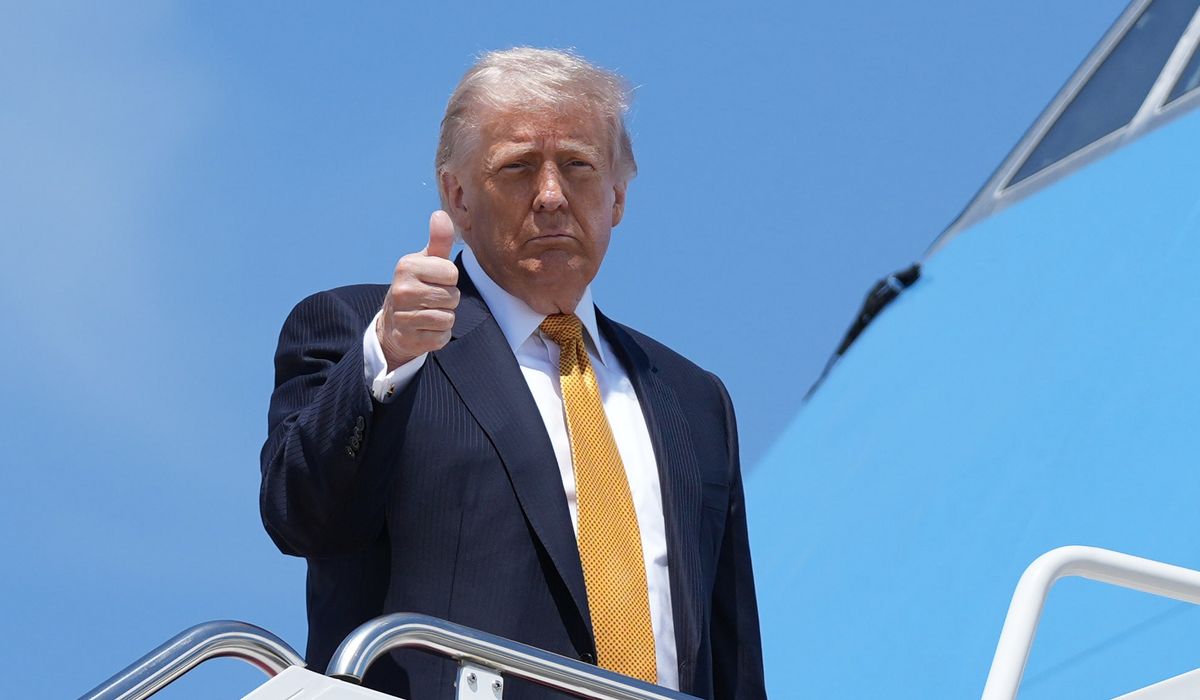
President Trump and Xi Jinping meet in a summit heavy on ceremony and optics, with observers warning that concrete wins for American security and economic leverage are unlikely without clear enforcement and allied coordination.
The summit will be staged as a big diplomatic event, with both leaders eager to show control and normalcy. Expect speeches, photo ops, and carefully managed interactions that aim to calm markets and claim momentum for negotiation. Real, enforceable progress is a different matter and will depend on follow-through beyond the cameras.
On trade, the central questions are whether China will take meaningful steps on intellectual property, subsidies, and buying American goods. Republican voices are skeptical that verbal commitments alone will fix structural problems. Past rounds of negotiation produced promises that lacked teeth, so the GOP perspective favors measurable targets tied to real consequences.
Technology and national security will be front and center, especially semiconductor controls and restrictions on sensitive AI tools. The United States has tools to limit transfers and to pressure allied supply chains to stay out of harmful dependencies. From a Republican viewpoint, keeping key technologies on the U.S. side of the line is not protectionism for its own sake but necessary defense policy.
Taiwan remains the most volatile issue in U.S.-China relations and a focus area for security planners. Any summit that softens U.S. deterrence risks emboldening Beijing and weakening regional partners. Republicans argue that strong, consistent signals of support for Taiwan, combined with better military readiness, are the prudent course to deter aggression.
Human rights violations and economic coercion are likely to come up, but they rarely translate into immediate concessions at summit-level meetings. The GOP stance treats these topics as both moral and strategic, not merely talking points to be shelved. Press coverage may elevate certain incidents, but durable policy requires laws, sanctions, and enforcement mechanisms that go beyond rhetoric.
Supply chain resilience is a policy area where tangible steps can be taken, from incentivizing reshoring to diversifying partners. Republican policymakers favor market-based incentives and targeted tariffs as levers to reduce strategic dependencies. Those moves aim to protect national security while keeping markets competitive and firms accountable.
Allied coordination is essential if any summit promises are to be credible and lasting. The United States negotiating alone hands China leverage to play partners off one another. From a Republican angle, rebuilding trust with Europe, Japan, and regional allies increases bargaining power and prevents Beijing from exploiting gaps in a fragmented coalition.
Enforcement will determine whether any agreement matters at all, and that is where observers see the biggest risk. Without clear monitoring, thresholds, and penalties, commitments can become hollow. Republicans emphasize the need for verification, snapback sanctions, and swift responses to backsliding to make future concessions worth the cost.
The optics of a successful meeting could boost President Trump politically, but policy wonks and security experts will watch the fine print. Ceremony can mask weak outcomes that look good on television but leave vulnerabilities open. The balance between diplomacy and deterrence will shape both immediate fallout and the long-term posture toward China.

