

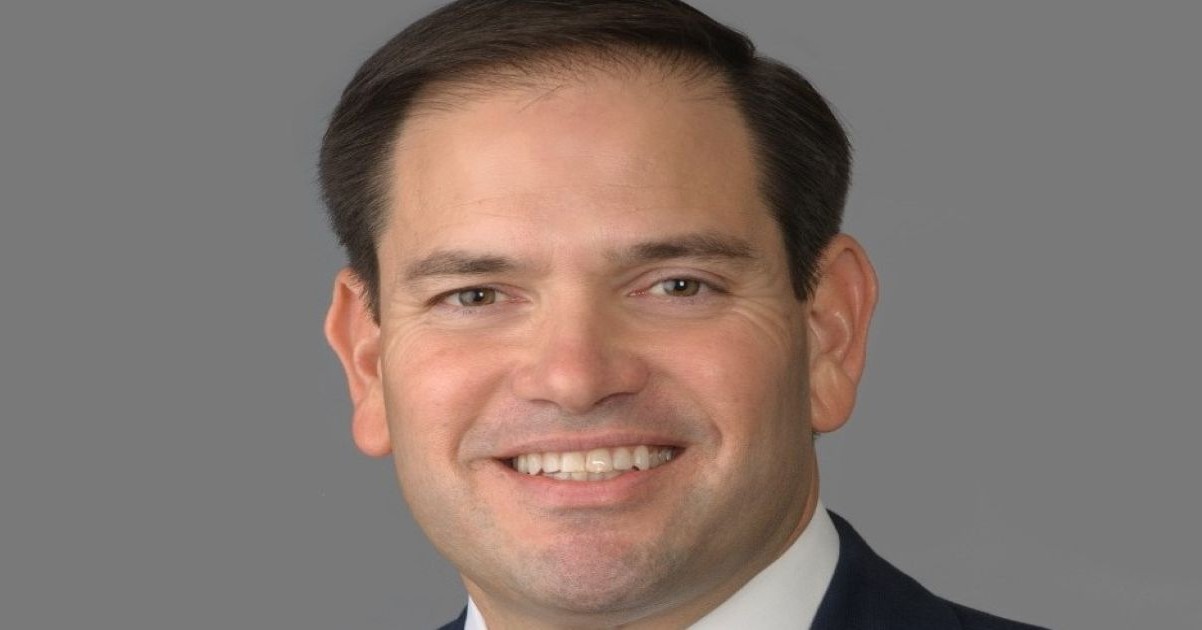
The State Department has issued a stern warning about the perils of Artificial Intelligence (AI) being used to impersonate trusted public figures. A recent report highlights a concerning incident where AI was used to impersonate Secretary of State Marco Rubio, reaching out to foreign diplomats and domestic officials, as reported by The Daily Mail. This troubling development comes amidst ongoing governmental debates over AI regulation, particularly following the recent passage of the One Big Beautiful Bill.
The scam saw individuals contacted by the fake Rubio through the Signal app, voicemails, and regular texts. According to a State Department cable, “The actor likely aimed to manipulate targeted individuals using AI-generated text and voice messages, with the goal of gaining access to information or accounts.” Rubio became aware of the scam after a senator reported receiving a suspicious message while trying to contact him.
The issue seems to be persistent, with Rubio also noting that he was impersonated when he first took office earlier this year. In response, the State Department acknowledged the potential international ramifications of such incidents. Tammy Bruce, a department spokeswoman, stated, “The State Department is aware of this incident and is currently monitoring and addressing the matter.” She emphasized the department’s commitment to improving cybersecurity measures to prevent future breaches.
Despite the seriousness of the situation, the State Department has remained tight-lipped about further details, citing an ongoing investigation and security concerns. The rise of AI technology has sparked global concerns about its misuse, particularly on social media and personal communications. This issue isn’t isolated, as earlier this year, Trump’s chief of staff, Susie Wiles, was similarly targeted by AI impersonation.
Such incidents have prompted authorities like the FBI to issue warnings about potential malicious actors using AI to impersonate trusted officials. These developments underscore the need for stringent measures to counter the misuse of AI technology. The challenges posed by AI impersonation call for a robust response from both national and international stakeholders.
The misuse of AI highlights the growing sophistication of technological threats facing public figures and institutions. As these incidents increase, there’s a pressing need for comprehensive strategies to safeguard against such fraudulent activities. The State Department’s proactive stance is a step in the right direction, but continuous vigilance is necessary.
The broader implications of AI impersonation extend beyond individual cases, affecting diplomatic relations and public trust. Addressing these challenges requires collaboration across government agencies and international partners. The focus should be on enhancing cybersecurity frameworks to prevent similar occurrences in the future.
While AI offers numerous benefits, its potential for misuse cannot be overlooked. Ensuring that AI serves as a tool for good, rather than a weapon for deceit, is paramount. The State Department’s response highlights the critical importance of staying ahead of emerging threats.
As technology evolves, so do the tactics of those seeking to exploit it for malicious purposes. The challenge lies in balancing technological advancement with security measures that protect individuals and institutions alike. The experiences of figures like Rubio and Wiles serve as cautionary tales for the digital age.
AI’s role in impersonation schemes is a wake-up call for policymakers and tech developers. It’s essential to develop robust safeguards that anticipate and mitigate such threats. The government’s role in regulating AI to prevent misuse is more crucial than ever.
The issue of AI impersonation is not just a technical challenge but a societal one. It calls for a reevaluation of how technology is integrated into our daily lives. Ensuring the integrity of communication channels is vital for maintaining trust in public institutions.
Efforts to combat AI impersonation must be comprehensive, involving both technological solutions and policy interventions. Collaboration between public and private sectors is key to developing effective countermeasures. The focus should be on creating a secure digital environment that safeguards against deception.
As AI continues to advance, vigilance and adaptability are essential in addressing its potential threats. The State Department’s actions reflect a commitment to protecting national security and public trust. This ongoing issue serves as a reminder of the importance of responsible AI governance.
Through concerted efforts, it’s possible to harness AI’s potential while mitigating its risks. The lessons learned from these impersonation incidents should inform future strategies. A collective approach is necessary to ensure that AI technology is used ethically and responsibly.

