

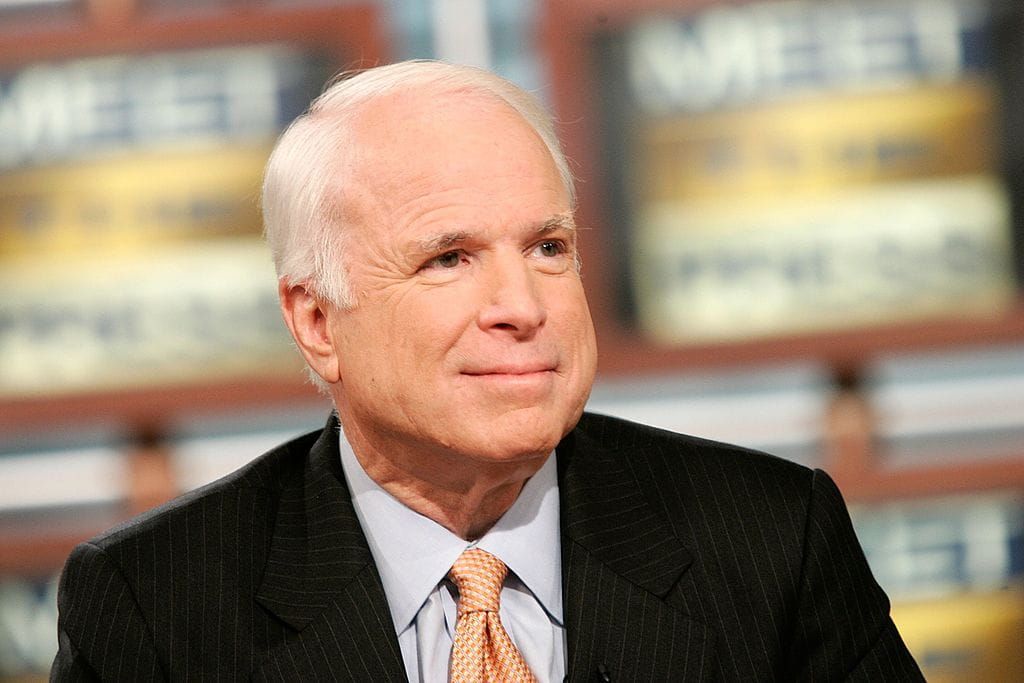
On May 2, 2026, the McCain Institute’s annual gathering showed that the same old Capitol Hill and Beltway networks remain active and influential, with familiar faces and institutions steering policy talk and fundraising, even a decade after the 2016 realignment.
“Ten years since the 2016 Trump Tsunami, an old alignment soldiers on.” That line still cuts through the noise, and it frames what you see at the McCain Institute event: a crowd that looks a lot like Washington always has. The panels, the closed-door chatter and the donor lists all suggest the permanent political class is comfortable holding the center stage. For conservatives who demanded change in 2016, that continuity is a clear target for criticism.
The gathering read like a who’s who of establishment power: think tanks, former officials, lobbyists and mainstream media types swapping notes and narratives. It wasn’t a grassroots town hall; it was a conventional Beltway confab where relationships matter more than voter sentiment. That’s where the critique lands: influence over accountability, access over results, and the same script about bipartisan consensus that too often excuses the status quo.
Foreign policy hawks and national security realists had a strong presence, reminding attendees that global competition remains a convenient unifier for the centrist crowd. Smart power and defense spending are serious topics, but the tone often drifted toward protecting entrenched contracts and old alliances rather than debating fresh conservative alternatives. The result felt less like strategy and more like maintenance of an industry that feeds on perpetual crisis.
Fundraising and networking were just as central to the event as policy talk, which underlines how influence is built in these rooms. Donors heard polished narratives about values and security, while staffers lined up to exchange business cards and secure future roles. For outsiders watching from the right, this looks less like public service and more like the revolving door in action, where careers and contracts are the real currency.
Speakers leaned on familiar language: bipartisanship, resilience, and the need for steady leadership. That rhetoric plays well with centrists and moderates but often rings hollow to voters who want accountability and results. The GOP’s challenge is to offer a sharper, more populist contrast without ceding serious national security ground—a balancing act the movement still hasn’t perfected.
The optics of the McCain crowd matter because perception drives politics. When seasoned insiders occupy the high ground at forums like this, the public narrative tilts toward continuity rather than reform. That momentum helps preserve institutional power and frustrates those pushing for disruption in Washington’s budget priorities, regulatory approach and foreign engagements.
Young conservatives and movement activists did show up, but their voices were often backgrounded by the experience and gravitas of the older set. That dynamic speaks to a broader problem: renewal without tokenism requires real influence, not just a seat at the panel. If the next generation of conservative leaders wants change, they must build alternative platforms and funding channels that compete with the establishment’s reach.
Media coverage amplified familiar themes, framing the event as a marker of stability rather than a battleground for ideas. Reporters emphasized expert takeaways and soundbites, which suits a crowd that prefers policy wonkery over disruptive messaging. For Republicans focused on winning hearts and votes, that’s a reminder that owning the narrative is as crucial as policy proposals themselves.
In practice, the McCain Institute’s annual meeting was a snapshot of Washington’s center, not a map of the country’s political tides. The networks that dominate these conferences still shape policy, appointments and the allocation of attention. For conservatives who believe in shaking up the federal machinery, events like this are both a reminder and a call to build a more competitive center-right ecosystem rather than simply complaining from the outside.

