

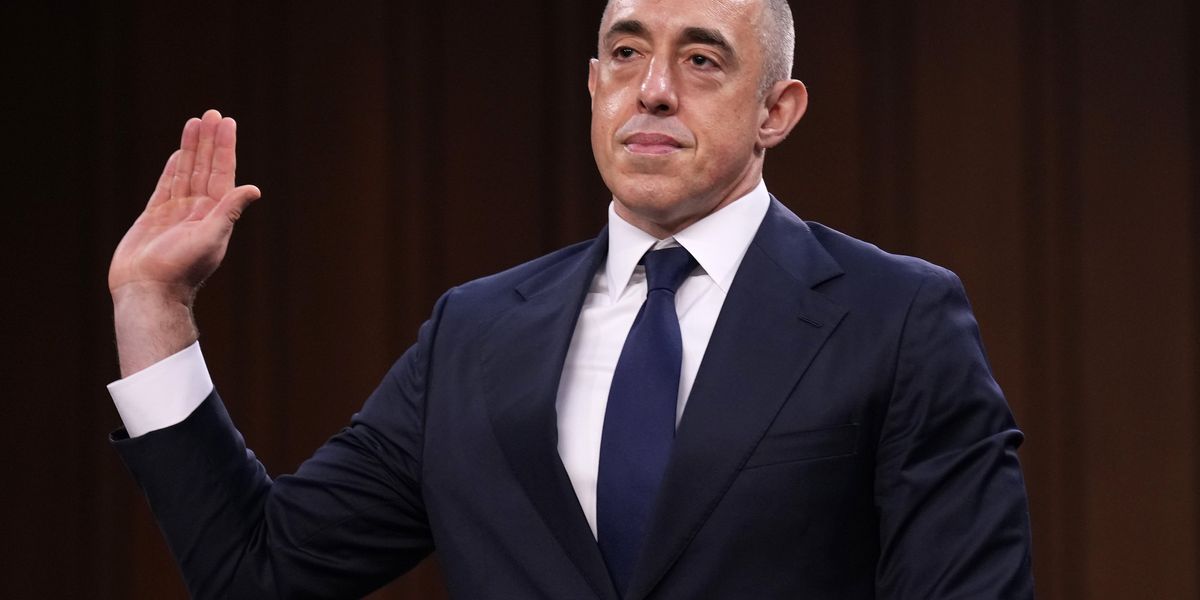
The Senate is making some headway in dealing with the backlog of nominees, a task prioritized by President Donald Trump. Emil Bove, a former Trump lawyer, was confirmed for a lifetime position on the U.S. Circuit Court of Appeals for the Third Circuit. The confirmation wasn’t without drama, as it passed narrowly with a 50-49 vote, showing once again that not all Republicans are in lockstep.
Senators Lisa Murkowski and Susan Collins, known for occasionally breaking ranks with their party, voted against Bove’s confirmation. Their dissenting votes contributed to the tight margin of the final vote. Although the two senators remained tight-lipped about their reasons, their decisions spoke volumes.
Democrats, on the other hand, were far from silent about their opposition to Bove. Senator Cory Booker from New Jersey took to the Senate floor, expressing his concerns in an extensive speech. He described Bove’s confirmation as a “sad day for the judiciary,” a sentiment echoed by many on the left.
This isn’t the first time Murkowski and Collins have broken with their party on judicial nominations. Their independent streak sometimes frustrates fellow Republicans but is often praised by their constituents. These moments of defection can be seen as a sign of their commitment to their principles over party lines.
Still, the larger picture remains unchanged, with the Senate continuing to confirm nominees at a steady pace. This process is crucial for shaping the judiciary, an effort that aligns with the broader conservative agenda. Many conservatives believe this will lead to a more balanced and fair judicial system.
The role of the judiciary has become a focal point in recent years, with both parties understanding its long-term impact. Republicans are eager to fill these roles with judges who uphold conservative values and interpretations of the law. These efforts are seen as a way to counteract what some perceive as liberal dominance in the courts.
Emil Bove’s confirmation is a testament to the ongoing transformation of the federal judiciary. Many conservatives hail this as a victory, believing that Bove will bring a fair and balanced approach to his role. His appointment is expected to influence significant judicial decisions for decades.
The focus on the judiciary reflects a broader conservative strategy to implement lasting change. By confirming judges with conservative leanings, Republicans aim to ensure that the judicial branch remains a stronghold for their values. This approach is seen as crucial in safeguarding the nation’s legal framework.
While the confirmation process can be contentious, it’s a vital part of maintaining the checks and balances within the government. The judiciary plays a critical role in interpreting the laws and ensuring justice is served. Conservatives argue that this process should prioritize nominees who respect the Constitution and traditional values.
The debate over judicial nominees often highlights the stark differences between the parties. Conservatives emphasize the importance of appointing judges who adhere to a strict interpretation of the Constitution. This contrasts with the more progressive view, which often supports a broader, more flexible interpretation.
As the Senate continues its work, the confirmation of judicial nominees remains a key focus. This task is not only about filling seats but also about shaping the future of the country’s legal landscape. For conservatives, this is a chance to reinforce their principles through the judiciary.
The influence of these judges will extend far beyond the current political climate. Their decisions will shape the interpretation of laws and the outcomes of critical cases. This underscores the importance of each confirmation and the lasting legacy these judges will leave.
For those who support President Trump’s judicial nominees, each confirmation is a step towards a judiciary that aligns with their values. They view these appointments as a necessary measure to uphold the nation’s founding principles. This belief drives the ongoing efforts to confirm conservative judges.
The role of the judiciary in American politics is as crucial as ever. It serves as a check on the other branches of government and a guardian of the Constitution. Conservatives see the confirmation of judges like Emil Bove as a way to protect and preserve this role.
The Senate’s actions reflect the ongoing battle for control over the judicial branch. Each confirmation is a strategic move in a larger game of political chess. For conservatives, securing these positions is integral to advancing their legislative and ideological goals.
As President Trump’s nominees continue to be confirmed, the impact on the judiciary becomes more pronounced. These confirmations are viewed as victories for those who prioritize traditional values and constitutional fidelity. It’s a reflection of the broader conservative vision for the country.
The process of confirming judicial nominees is often fraught with political tension. Yet, it remains a critical aspect of the legislative process. For many conservatives, ensuring that the judiciary reflects their values is paramount.
Emil Bove’s confirmation is one of many in the ongoing effort to reshape the judiciary. Each new judge represents a potential shift in how laws are interpreted and applied. This underscores the significance of each vote and the broader implications for the nation’s future.
As the Senate continues to navigate these confirmations, the focus remains on maintaining a judiciary that reflects conservative values. This endeavor is seen as essential for preserving the integrity of the legal system. It’s a mission that resonates with many who support this vision for America.

