

A Tiny Detail on the Shroud of Turin That Reframes the Mystery
What if a single, almost invisible detail on an ancient cloth changes how we think about one of history’s greatest puzzles? The Shroud of Turin is a linen cloth that many believe carries the image of a crucified man, and it has been studied and debated for decades. Hidden in the faint facial imprint is a subtle outline that deserves fresh attention.
Most analyses and descriptions of the Shroud of Turin’s facial image, including scientific studies and expert forensic examinations, describe the lips as closed.
Providential encounter
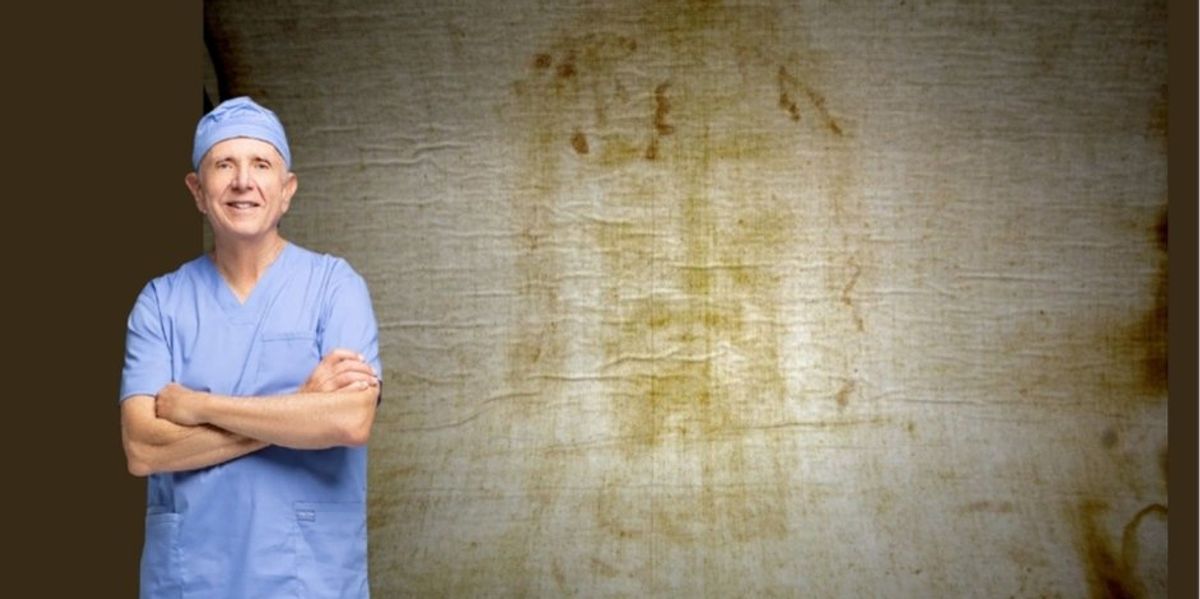
As a surgeon with years of experience in facial anatomy, the first in-person encounter with the Shroud can feel like a collision between medicine and mystery. Standing near the cloth in Turin, the image struck me as both ancient and precise, marked by wounds and stains that suggested real trauma. That initial curiosity led to careful study of high-definition negative images and renewed questions about what those marks actually represent.
Looking closely, certain facial features read like a medical record: a swollen cheek, a fractured nasal bridge, and blood lines consistent with thorn wounds. These details are visible in black-and-white negatives taken decades ago and reviewed by numerous researchers. The more one studies them, the more the cloth resists easy explanation.
One of the most striking observations from a surgical perspective is the impression of teeth along the lower lip line. Many studies describe the lips as shut, but when you examine the tonal variations with a clinician’s eye, the incisal plane of the lower front teeth can be discerned. That small observation changes how the whole face is interpreted.
The teeth of the matter
A short paper I published outlines how the lower teeth appear as a faint but consistent linear highlight just behind the lower lip. Earlier observers suggested both upper and lower teeth, but mustache shadowing and lip anatomy likely hide the upper teeth while the lower remain visible. The presence of an incisal edge is a technical observation, but it has broader implications.
Joe Marino, one of the world’s most respected Shroud scholars and editor of Shroud.com, commented on my work: “The fact that this dental surgeon believes at least some of the teeth are present is a significant development that could help determine the image-formation process.” This quote underlines how a small anatomical detail can prompt new lines of inquiry among scientists and historians. It also shows the value of cross-disciplinary study when an ancient artifact refuses to be pigeonholed.
The Shroud has been examined by teams of physicists, chemists, and imaging experts who found no pigments, dyes, or brush strokes consistent with painting. STURP, the 1978 research project, concluded that the image corresponds to a scourged, crucified man and that the imprint lacks the usual signatures of artistic fabrication. Yet the mechanism that created the image remains unexplained.
Some researchers have proposed exotic image-formation theories, including the idea of a brief emission of high-energy radiation at the moment the image was made. If an imprint captured not only surface details but subtle anatomical elements like teeth, that might suggest an atypical process rather than a conventional artistic technique. Such hypotheses are controversial, but they persist because familiar tools of analysis fail to solve the puzzle.
For believers, the cloth’s inexplicable qualities can reinforce faith; for skeptics, they pose a stubborn challenge to conventional explanations. Either way, the Shroud occupies a unique place where science, history, and religious tradition collide. That collision fuels both rigorous study and imaginative speculation.
Another image in the modern record shows the face in a different tonal range, helping researchers compare features across media. The high-resolution photograph circulating in academic and popular circles highlights the same lower facial lines many readers might miss at first glance. Visual evidence matters, but interpretation matters even more.
Beyond the technical debate lies a deeper cultural question: why does an image like this grip people across centuries and cultures? Artifacts that resist definitive categorization often become mirrors for contemporary hopes, fears, and beliefs. The Shroud’s power comes from the way it invites multiple readings rather than offering a single, settled story.
Scholars continue to argue about dating methods, contamination, and the possibility of medieval forgery, while others point to medical, photographic, and textile evidence that complicate simple conclusions. New analyses will keep appearing, and each one must be weighed on its technical merits. The tiny hint of teeth is not proof of anything definitive, but it is a fresh data point that deserves attention.
Ultimately, the Shroud asks a simple but profound question: what do we do when material evidence resists tidy answers? Whether you approach the cloth as a religious relic, a medieval curiosity, or an unsolved scientific problem, the presence of subtle anatomical detail nudges the conversation forward. Small details sometimes open the largest doors.
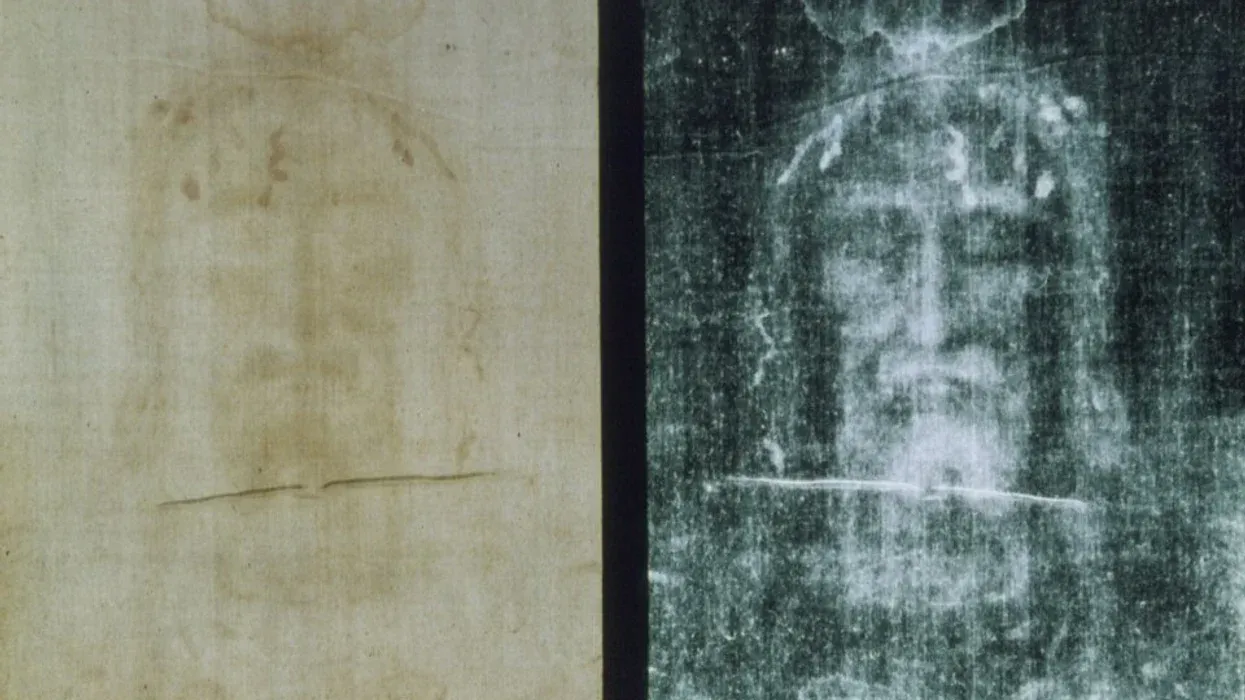
Image source: Public domain via Wikipedia Commons
A public figure recently spoke about their belief in the cloth’s authenticity, drawing renewed mainstream interest. The idea that credible people across fields find the Shroud meaningful keeps it in the conversation. Whatever your position, the cloth remains an object that provokes study, debate, and wonder.
The faint outline of lower front teeth may seem like a minor curiosity, but it nudges the broader debate in productive directions. As researchers continue to test assumptions and apply new technologies, that small feature will be part of the evidence set scholars weigh. In the end, the Shroud is both a mystery and an invitation to keep asking questions.
n

