

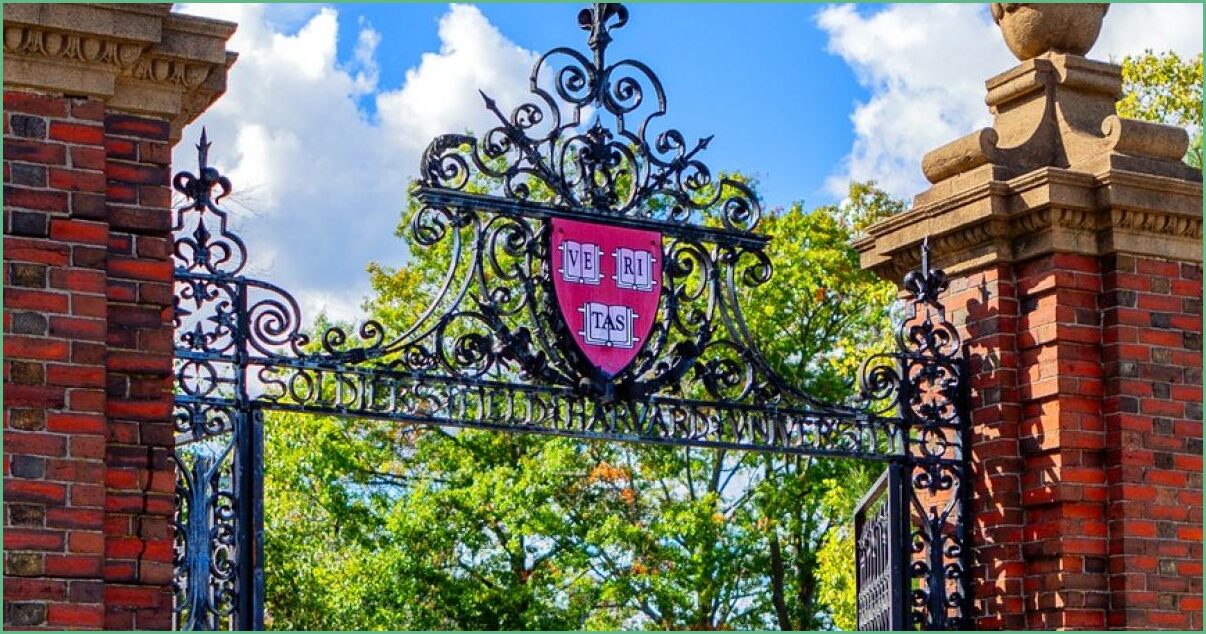
HHS moves to block Harvard from federal funding over campus antisemitism
The Department of Health and Human Services’ Office for Civil Rights has taken a hard line, referring Harvard for suspension and debarment after finding the university acted with “deliberate indifference” to harassment and discrimination of Jewish and Israeli students since October 7, 2023.
This is not a routine administrative quibble. It’s the federal government using its enforcement tools to hold a major university accountable for failing to protect a vulnerable student population and for allowing campus culture to drift toward hostility and exclusion.
For Republicans and conservatives, the move feels overdue: elite institutions have enjoyed broad deference while campus climates deteriorated, and taxpayers have a right to expect basic civil-rights protections where federal dollars are spent.
OCR’s referral follows an investigation that concluded Harvard violated Title VI, the federal civil-rights law that bars discrimination in programs receiving federal funds on the basis of race, color, or national origin.
HHS alleges that Harvard administrators did not take adequate steps to stop or remedy the harassment reported by Jewish and Israeli students, and that the campus response amounted to deliberate neglect of their rights.
The referral triggers a process that could strip Harvard of future federal financial assistance, pause existing awards, and lead to a formal administrative hearing — a real consequence that departments rarely deploy at this scale.
Why this matters now
The timing is political and practical at once: the complaint points to events and a pattern after a violent foreign conflict that spilled into American campuses, and it raises questions about whether elite universities will police hateful conduct aimed at Jewish students or rationalize it as protest.
Conservatives argue the decision sends a clear message — federal funds are not a blank check to institutions that tolerate targeted hostility or that prioritize ideological tribalism over student safety and equal treatment.
That message also ties into a broader push for accountability across higher education, where Republican lawmakers and officials have increasingly demanded transparency, parity in disciplinary actions, and enforcement of nondiscrimination rules.
Harvard now has 20 days to request a hearing overseen by an HHS administrative law judge, a step that would give the university a chance to contest the findings in a formal setting.
An administrative hearing can be lengthy and costly, and the specter of losing federal funding or being denied future assistance places pressure on university leaders and trustees who rely heavily on government-backed research and student aid programs.
The university previously pushed back against other federal moves to curb or scrutinize its funding, arguing financial penalties could affect programs and students beyond the specific allegations, a point that played into a months-long dispute over billions in federal support.
Paula M. Stannard, OCR Director, framed the referral in stark terms: “OCR’s referral of Harvard for formal administrative proceedings reflects OCR’s commitment to safeguard both taxpayer investments and the broader public interest,” Paula M. Stannard, OCR Director, said in a statement.
She continued with the legal rationale and the tools available: “Congress has empowered Federal agencies to pursue Title VI compliance through formal enforcement mechanisms, including the termination of funding or denial of future Federal financial assistance, when voluntary compliance cannot be achieved,” she added.
Those are not rhetorical flourishes; they are the statutory authorities federal agencies can use to force change when institutions fail to live up to civil-rights obligations tied to federal dollars.
From a conservative vantage point, enforcement should be consistent and swift when clear violations occur, especially when the targeted groups are a protected class under federal law and when the misconduct interferes with access to education.
Accountability here serves two purposes: it protects students, and it incentivizes universities to prioritize safety and fairness over performative or selective responses to campus unrest.
Left unchecked, campus double standards and uneven enforcement of codes of conduct can normalize harassment and chill the free exchange of ideas for those not aligned with prevailing campus orthodoxies.
The broader public should watch the administrative process closely because the outcome will set precedent on how federal funding can be leveraged to enforce civil-rights protections on campus.
If the government follows through and imposes penalties, other universities will take notice and recalibrate how they respond to harassment, protests, and threats aimed at students from specific backgrounds.
Misty Severi is a news reporter for Just The News. You can follow her on X: https://twitter.com/MistySeveri for more coverage.
n
h/t: Just The News
n

