

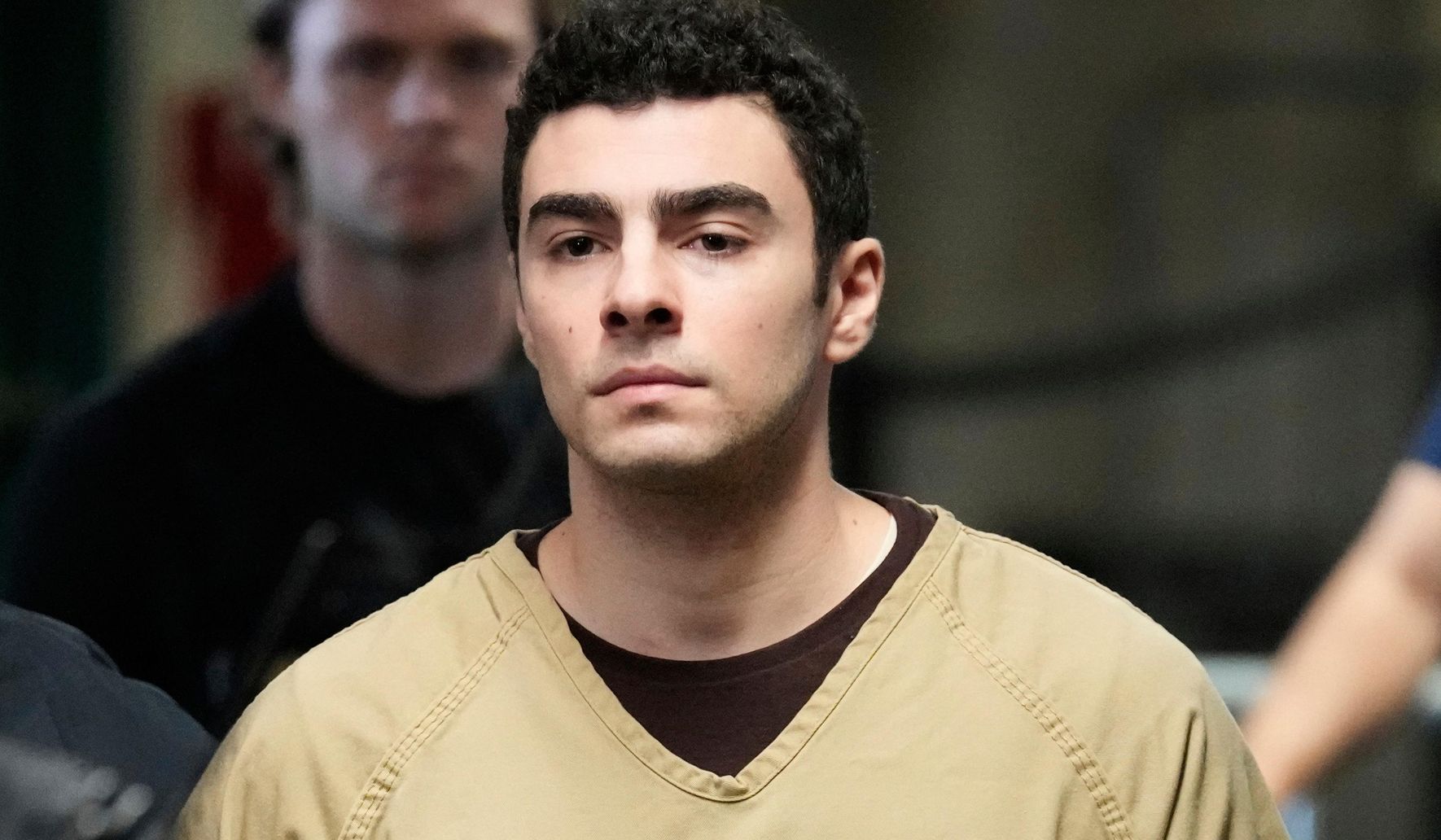
As the first anniversary of UnitedHealthcare CEO Brian Thompson’s killing approaches, the accused is headed to court this week to try to block prosecutors from using certain evidence in the case.
The case that stunned corporate and civic circles a year ago has moved from headline shock to technical legal battle. The man charged in the killing will appear before a judge in a hearing focused on whether key evidence can be admitted. Defense lawyers say portions of the prosecution’s case should be struck because of constitutional and procedural defects in the way investigators gathered materials.
At the center of the fight are routine but consequential questions about searches, seizures, and statements taken after the incident. The defense has filed motions alleging Fourth Amendment violations and challenges to the authenticity and chain of custody for items seized during the investigation. Prosecutors counter that the evidence was gathered lawfully and that excluding it would unfairly hamstring the case.
Legal teams for both sides are treating the suppression hearing as a pivotal moment. If the judge bars critical items, the prosecution may lose its most persuasive proof tying the defendant to the scene, while a ruling for the government could keep a full slate of testimony and physical evidence on the table. Either outcome is likely to shape not just the trial strategy but the timeline for moving the case toward trial.
Investigators and prosecutors have so far been circumspect in public statements, reflecting the high-profile nature of the victim and the complexity of the matter. Local law enforcement has led the inquiry, and filings in court lay out a sequence of investigative steps that followed the incident. Those filings are also the basis for the defense’s claim that some procedural shortcuts and errors require judicial correction.
Community reaction over the last year has been persistent, with corporate leaders and public figures noting the loss and calling for a thorough process. The killing prompted renewed conversations about executive protection and about how public safety systems respond when crimes touch prominent leaders. Officials say the judicial process must now sort factual disputes from legal questions so the trial can proceed on a firm footing.
For the defense, the suppression hearing is an opportunity to narrow the case before jurors ever see it. Lawyers are arguing that improperly obtained materials and statements should not be used, asserting that admitting tainted evidence would violate fundamental rights and risk an unfair conviction. Those arguments will be tested against prosecutors’ claims that standard procedures were followed and that investigative steps were justified by the circumstances.
Prosecutors maintain that a range of evidence is both relevant and legally obtained, and they have resisted efforts to limit what can be presented at trial. They argue that the materials at issue are integral to proving motive, opportunity, and identity. Court records show both sides expect witnesses to be called to testify about how evidence was collected and handled.
The judge’s rulings at the hearing will set key limits for the upcoming trial, whether by excluding targeted items or by allowing prosecutors to proceed with a fuller evidentiary picture. Pretrial rulings like this typically influence plea discussions, witness preparation, and the broader public narrative. For this case, they will also determine how much of the investigative story the jury will ever hear.
The anniversary itself is prompting reflection on an interrupted life and renewed attention to the mechanics of criminal procedure. Friends and colleagues of the late executive have marked the passage of a year with private remembrances, and the legal process has quietly continued in public filings and courtroom scheduling. That dual track—personal mourning alongside legal maneuvering—underscores the stakes.
Observers say the hearing will be closely watched because it highlights the intersection of criminal-law principles and high-profile public interest. The arguments will test long-standing rules about search warrants, voluntary statements, and evidence handling under modern investigative circumstances. Trial lawyers note that even routine motions can carry outsized consequences when a case draws national attention.
No final trial date has been set while pretrial disputes are resolved, and both sides say they will press their positions vigorously at the hearing. The court’s rulings in the coming days will narrow the contours of what jurors may ultimately consider, and they will shape the next phase of a case that remains a focal point for legal and community scrutiny.

