

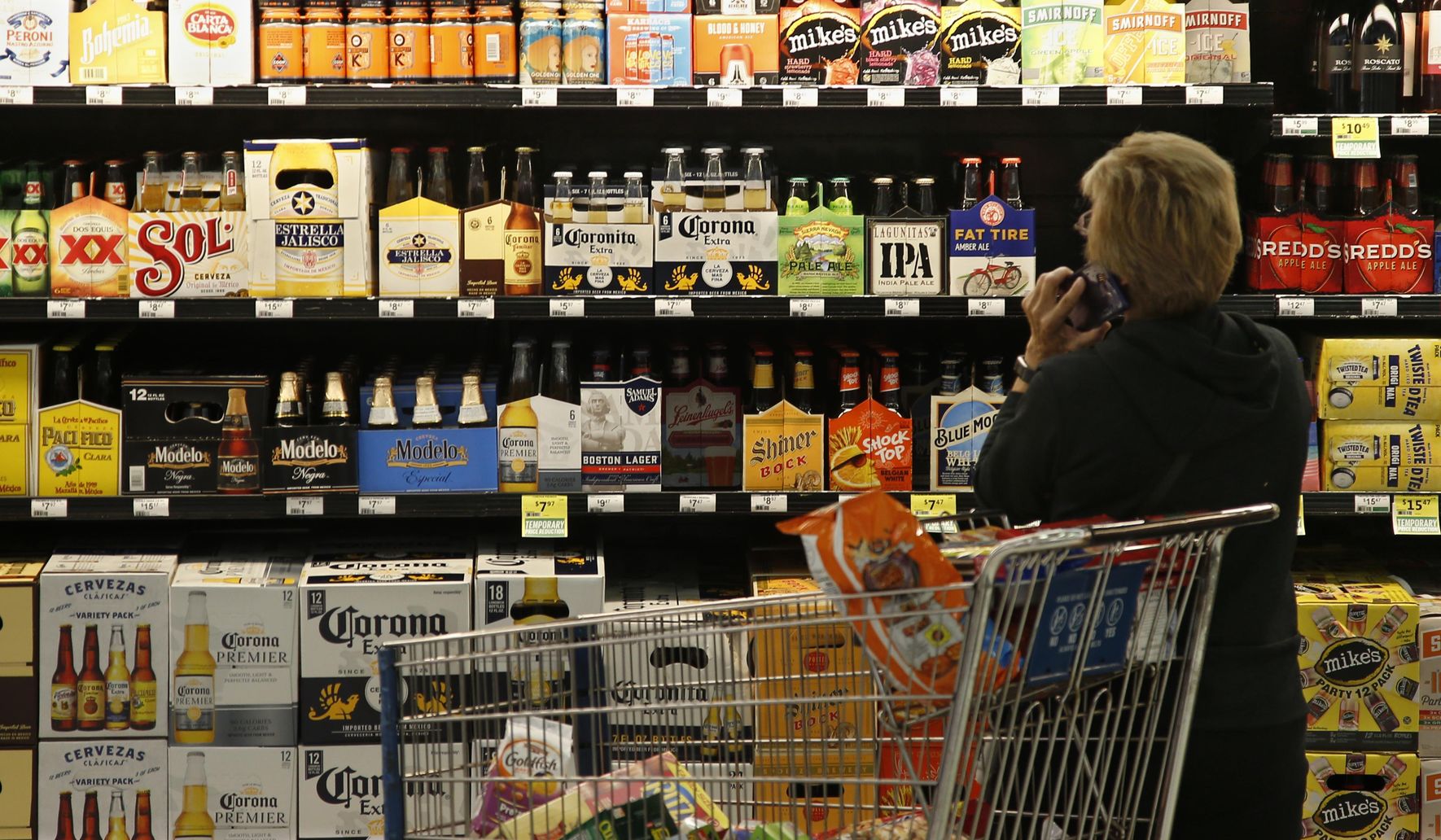
The Maryland Consumer Freedom Coalition, supported by the Maryland Retailers Alliance trade association, is renewing its push to allow grocery stores to sell beer and wine, restarting a debate over consumer choice, competition, and state regulation.
The Maryland Consumer Freedom Coalition has announced a renewed effort to change state law so grocery stores can carry beer and wine, and the move comes with backing from the Maryland Retailers Alliance trade association. Supporters say this is a straightforward modernization of outdated rules that limit where adults can buy everyday items. The proposal frames the issue as a question of convenience and fairness for shoppers who already buy groceries and expect a simple one-stop trip.
From a Republican viewpoint, the case centers on consumer freedom and less government interference in routine choices, not on loosening safeguards. Advocates argue adults should decide where they buy legal products and that competition can lower costs and improve service. The pitch is marketed as pro-business, aimed at leveling the playing field for independent grocers and regional chains with limited access under current restrictions.
Backers also point to benefits for local retailers who could expand product offerings without state-imposed obstacles, potentially increasing foot traffic and boosting sales of other items. The coalition highlights how retail flexibility can translate into better markets for suppliers and a steadier revenue flow for small business owners. That argument ties into a broader Republican preference for market-driven solutions rather than protectionist regulations that favor certain outlets over others.
Regulatory concerns are part of the conversation, and supporters say sensible rules can stay in place while allowing grocery sales, including strict age verification and penalties for violations. The stance is that responsible regulation does not require keeping consumers from convenient choices, but it does demand enforceable safeguards. Enforcement mechanisms, proponents argue, should focus on compliance rather than on blocking competition outright.
Opponents often raise questions about public safety, underage access, and the social effects of expanding alcohol outlets, and those points will surface again as the bill moves through hearings and committee votes. Still, proponents maintain the issue is fundamentally about modern commerce, not about undermining community standards, and they emphasize local control and accountability. The debate tends to center on balancing convenience and commerce with public health and safety priorities.
The political route for any change in Maryland will require persuading lawmakers who weigh both constituent preferences and interest-group pressures, and that means clear messaging about how the change benefits shoppers and small businesses. Supporters will pitch it as a measured reform that preserves law enforcement tools while removing anachronistic barriers to commerce. Success depends on building a coalition of household-name retailers, trade groups, and voters who want more choices at the checkout.
This renewed effort is framed as practical policy rather than flashy politics, but it will still test alliances in Annapolis and across local jurisdictions as advocates press for a vote. Republicans backing the measure will stress individual choice, economic freedom, and the trust that adults can make responsible purchases within a regulated market. The conversation will continue at hearings and in public forums, where lawmakers will hear arguments about fairness, competition, and how best to regulate responsibly without unnecessary limits.

