

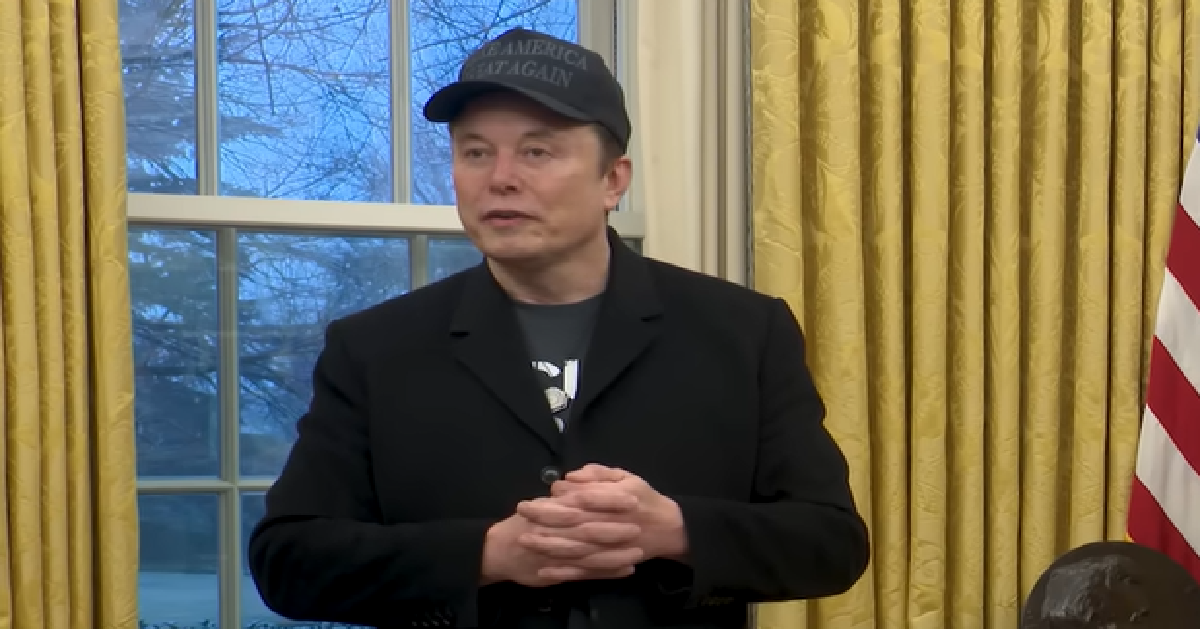
Elon Musk has publicly shifted from atheism and agnosticism to saying he believes “God is the Creator,” sparking fresh debate by blending faith, simulation ideas, and sharp critiques of modern culture during a Dec. 9, 2025 podcast appearance.
Elon Musk framed his change of mind on The Katie Miller Podcast, saying he now believes in God and exploring how that fits with a life spent building rockets and electric cars. This marks an obvious turn from the skeptic who once leaned on science as the only explanation. The declaration drew immediate attention because it comes from someone who shaped modern tech debates.
For years Musk publicly identified with atheism and agnosticism, making clear his comfort with skepticism and empirical evidence. Those earlier positions painted him as a figure who trusted circuitry and code over scripture. His shift suggests a personal reassessment, not a casual soundbite.
Since about 2022 Musk has praised Christian teachings for their moral clarity, especially lessons about love, kindness, and forgiveness. He even described himself as a “cultural Christian” last year, a phrase that signaled a drift toward valuing traditional moral frameworks. That context makes this latest statement feel like evolution rather than a sudden twist.
On the episode he said, “God is the Creator,” (Elon Musk, The Katie Miller Podcast, Dec. 9, 2025) a line that will be replayed a lot by both critics and supporters. It’s a precise quote and a tidy marker of how explicit his pivot is. The citation ties the remark to a specific moment listeners can reference.
Musk didn’t abandon his speculative streak when addressing faith; he layered it with sci-fi imagery, suggesting the universe could be “somebody’s video game.” He even floated the idea we might be characters in an “alien Netflix series,” and joked about audience “ratings,” with the host riffing along. Those metaphors let him ask big questions while keeping the conversation playful and strange.
This mix of theology and tech shows how Musk is trying to reconcile a belief in a Creator with a lifetime spent building simulations, rockets, and software. It’s consistent with someone who treats hypotheses as models to test, then updates when new ideas claim credibility. The result is a worldview that blends reverence with speculative imagination.
He used the turn toward religion to attack what he calls “woke” culture, arguing it functions as a new belief system in place of traditional faith. Musk has voiced this criticism repeatedly on X and elsewhere, framing progressive orthodoxy as doctrinal. From a conservative perspective, that observation taps into a broader worry about ideological conformity.
Musk also tied cultural trends to personal pain, mentioning how those shifts affected his relationship with his estranged daughter and her decision to transition. That personal element clarifies why this isn’t merely an abstract debate for him. Whether you agree or not, it humanizes the stakes behind his public commentary.
Politically, Musk’s views have moved beyond personal reflection into policy interest, including backing ideas like the Department of Government Efficiency. That mix of spiritual reassessment and institutional recommendations suggests he’s thinking about societal repair as well as personal belief. It’s a blend of moral concern and managerial instinct.
The episode’s host, Katie Miller, has ties to political figures and a short stint working for Musk before launching her podcast, which helps explain why the conversation landed with a lot of interest. The show drew over 346,000 views for this episode, a sign the topic resonates widely. The platform gave Musk a stage where cultural and spiritual themes could be aired to a large audience.
Beyond faith and culture, Musk touched on space topics listeners expect from him, like colonizing Mars and assessing UFO claims. He stated there’s no evidence of extraterrestrial life based on his perspective and SpaceX data, and suggested many UFO sightings are actually advanced military technology. That grounded stance undercuts conspiracy theory chatter and keeps the focus on verifiable facts.

