

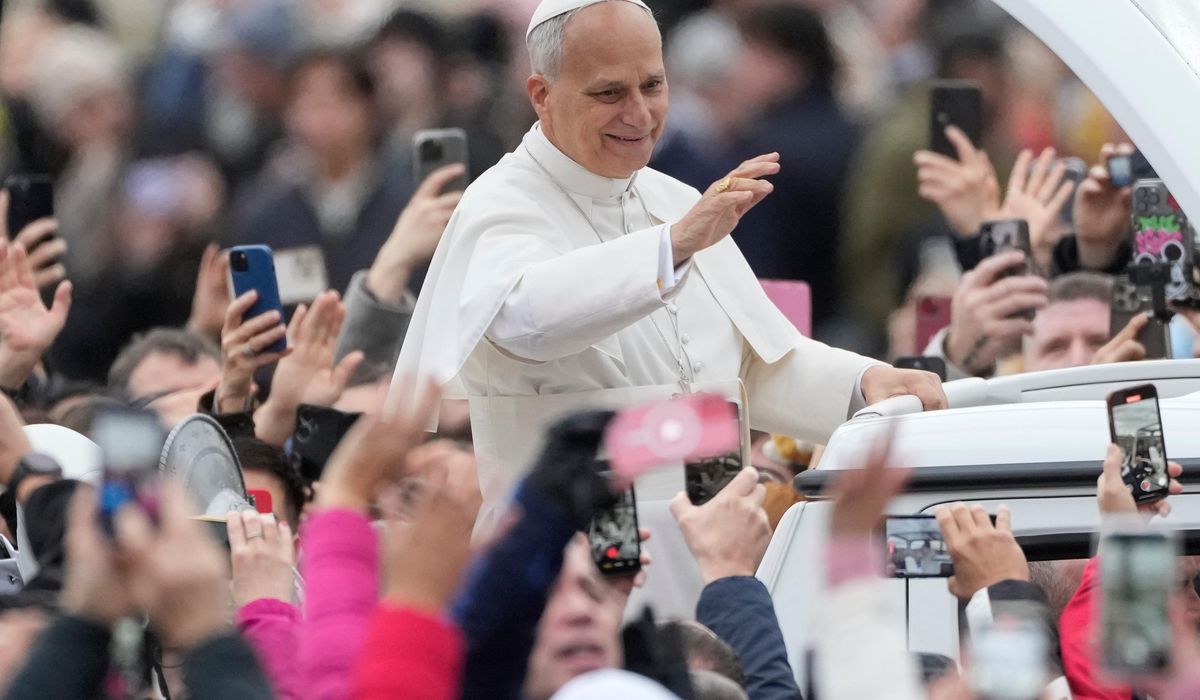
Under grey Roman skies and amid what he called a “troubled world,” Pope Leo XIV used his Christmas homilies to urge the world to recognize human fragility and the need for compassion during the holiday season. His remarks blended concern for daily struggles with a call to kindness that reached beyond church walls, aiming to touch both private hearts and public life.
Pope Leo XIV stood before a crowd in Rome and delivered a Christmas message that focused less on ceremony and more on people. He framed the season as an opportunity to notice weakness and suffering rather than gloss over it with pageantry. That emphasis on the human condition shaped the tone of his homilies and the reactions they prompted.
The phrase “troubled world” landed in his address as a sober description of global tensions and personal hardships alike. He tied familiar holiday images to the reality that many are struggling, whether through illness, loss, or economic pressure. By doing so, he pushed listeners to see charity as practical and immediate, not merely symbolic.
His homilies avoided grand theological lectures and instead turned to concrete examples of fragility: the elderly alone at home, families stretched thin, and refugees seeking shelter. Each example served to make a theological point accessible, insisting that faith shows itself through how communities care for the weakest. This practical framing made the message easier to grasp for people beyond regular churchgoers.
In Rome, where ancient monuments stand next to modern life, his words resonated with the city’s visible contrasts. Grey skies and crowded streets provided a backdrop that underscored vulnerability rather than grandeur. The setting reminded people that religious observance exists alongside real social challenges, and that the two should be in conversation.
The Pope also spoke about responsibility without blaming or scolding, nudging institutions and individuals to act with humility. He suggested that admitting fragility is not defeat but a starting point for solidarity and reform. That tone invited cooperation rather than division, aiming to bridge gaps between civic life and spiritual callings.
His Christmas homilies reached diverse audiences because they mixed moral urgency with everyday language. Listeners heard familiar phrases and concrete requests that could translate into volunteer work, neighborly support, or policy discussions. The approach made it easier for people to move from feeling sympathy to taking small, meaningful steps.
Critics and supporters both noted the pastoral focus: some wanted sharper policy prescriptions, while others appreciated a message that concentrated on moral imagination and simple acts of care. The Pope’s emphasis on seeing fragility echoed through commentaries and conversations long after the homilies ended. It became a phrase people returned to when debating how best to respond to human need.
Ultimately, the Christmas messages asked listeners to consider how compassion takes shape in everyday decisions, from how we treat family members to how communities allocate resources. The homilies aimed to make public faith feel relevant without turning it into partisan rhetoric. By highlighting the fragile parts of life, he hoped to awaken a steady, practical compassion that could outlast the holiday season.

