

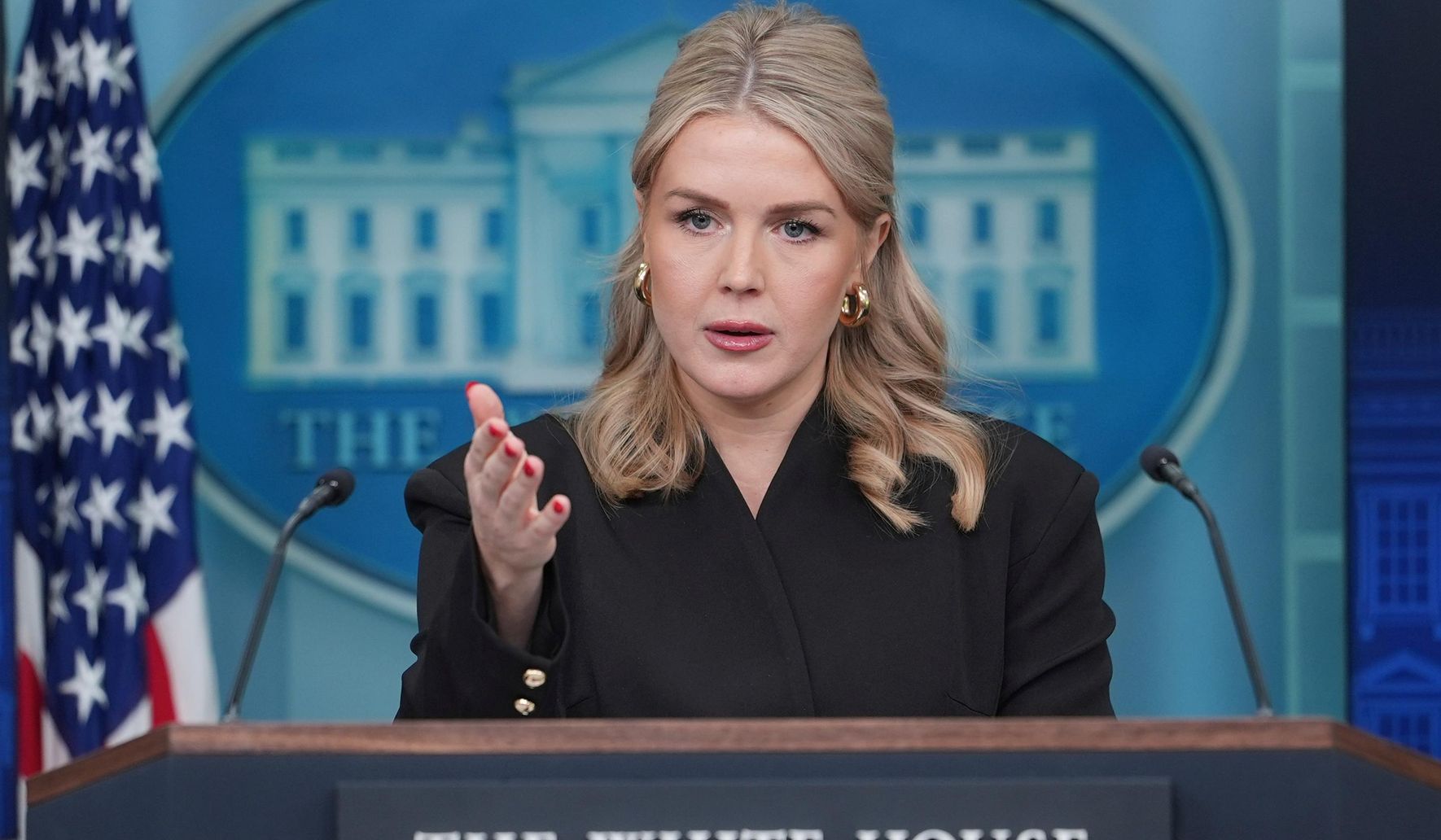
President Trump returned to the White House for a second term and his team immediately shifted into an aggressive, proactive press approach designed to stop constantly reacting to attacks and start setting the narrative themselves.
Immediately upon taking office again, the White House pivoted to a communication posture aimed at offense instead of defense. The team recognized that constantly responding to every negative story only amplified hostile coverage. Their goal was simple: seize the story before the media tried to shape it.
That approach meant pushing policy wins and framing them in plain, voter-focused language rather than letting reporters boil everything down to spin. Messaging emphasized tangible results like jobs, border security, and deregulation, packaged so supporters and undecided voters could easily share and repeat the key points. From a Republican perspective, cutting through dense media narratives with clear, direct statements is the most effective way to reach people.
On the operational side, the administration built a faster response engine to react to breaking stories within hours, not days. They relied on concise statements, rapid social posts, and a network of surrogates ready to defend policy and call out unfair coverage. That discipline aimed to force outlets into responding to the White House’s framing rather than dictating terms of debate.
Part of the strategy was to use platforms that bypass traditional gatekeepers and let the message go straight to the public. Short videos, targeted posts, and straightforward press notes made it harder for opponents to recast accomplishments as merely political theater. The administration also leaned on plainspoken spokespeople who could translate policy outcomes into everyday impact for voters.
Of course, adopting a harder press posture brought friction with hostile outlets that prefer to drive narratives with criticism and insinuation. The White House viewed that tension as unavoidable and, frankly, useful when it highlighted perceived bias. From this vantage point, staying on offense keeps the opposition off balance and makes their critiques less effective.
Critics argued that constant messaging risks burnout or overexposure, but the team balanced volume with focus, choosing which battles to escalate and which to let fade. They prioritized topics that mattered to the electorate and that could be communicated in memorable, repeatable ways. That discipline aimed to prevent every news cycle from being dominated by distractions.
Internally, the playbook emphasized speed, clarity, and a refusal to cede the first framing of events. By treating communications as strategic operations rather than reactive obligations, the administration hoped to redefine what newsworthy success looks like. For those who prefer results-driven politics, the approach represented a clear, deliberate shift toward shaping public perception instead of merely defending it.
Going forward, the team planned to keep refining tactics, doubling down on platforms and messengers that bypass hostile filters and bring the message directly to supporters. The emphasis remained on tangible policy stories that resonate with everyday concerns and on rapid rebuttals when conservatives felt coverage strayed from the facts. That forward motion reflects a wider belief among allies that winning the narrative is as important as winning the policy fights themselves.

