

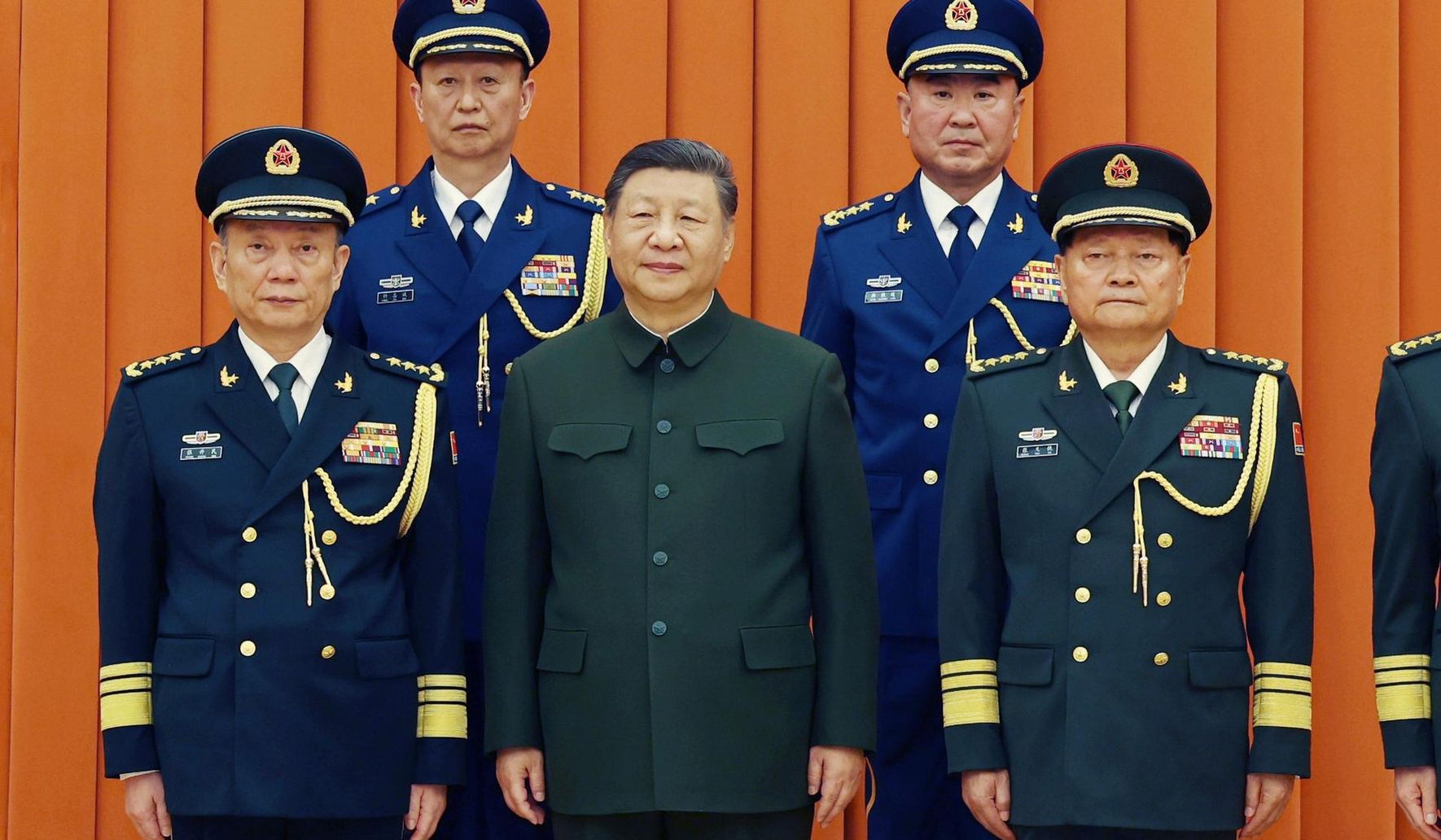
The Chinese military announced joint air, naval and rocket force drills around Taiwan on Monday, calling the operation a “stern warning” aimed at separatist forces, as tensions in the region continue to shape strategic calculations across Asia and beyond.
The People’s Liberation Army said it dispatched air, navy and rocket troops to conduct coordinated exercises near Taiwan, framing the moves as a response to separatist activities. Beijing labeled the operation a “stern warning” and presented the drills as routine training with a political message. Those words are part of a steady drumbeat that raises the stakes for regional security and for partners watching from afar.
This kind of combined-arms training shows China’s intent to integrate strike, surveillance and naval denial capabilities into single missions. From a military view the exercises test coordination across services and improve rapid response options. From a political view they signal to Taipei and to other capitals that Beijing will flex force to shape outcomes.
For Taiwan the drills are a reminder of vulnerability in the face of an opponent that keeps modernizing its forces. Civilian leaders and the island’s military must balance visible deterrence with measured steps that avoid miscalculation. The drills also complicate the choices of outside powers that want to support Taiwan without escalating to open conflict.
Washington and allied capitals have long emphasized deterrence through support and presence rather than confrontation. Republican policymakers tend to stress a firmer posture that increases the cost of aggression and backs partners with clear capabilities. That approach favors visible U.S. support for Taiwan’s defense systems and for freedom of navigation in international waters.
The drills highlight a strategic pattern where China uses shows of force to shape perceptions and advance political objectives without crossing thresholds that trigger full-blown conflict. That gray-zone behavior is tactical and deliberate. It aims to normalize pressure and to test the response times and political resolve of rivals.
Economically and diplomatically the region feels the ripple effects. Shipping lanes and investor confidence react to uncertainty, and firms reassess supply chain risks tied to Taiwan’s semiconductor industry. Governments must weigh those costs while deciding how openly to push back against coercion without inviting worse instability.
U.S. strategy debates often turn on how to combine hard deterrence with alliances and economic leverage. From a Republican perspective a clear message and stronger capabilities discourage aggression more effectively than ambiguous commitments. Messaging, arms sales, joint exercises and economic measures form a toolbox that aims to make aggressive options unattractive to Beijing.
At the same time the situation underscores the need for realistic assessments of Beijing’s military trajectory. Advanced missiles, coordinated naval operations and improved command systems are not hypothetical. They change the balance of risk and require Taipei and allies to adapt plans for defense and coordination.
The latest PLA announcement is a snapshot of a longer contest over influence, security and norms in the Indo-Pacific. It will shape military planning, diplomatic signals and economic risk calculations for months to come. Observers will be watching how Taipei responds, how Washington and partners calibrate their posture, and whether Beijing shifts from shows of force to a broader campaign of pressure.

