

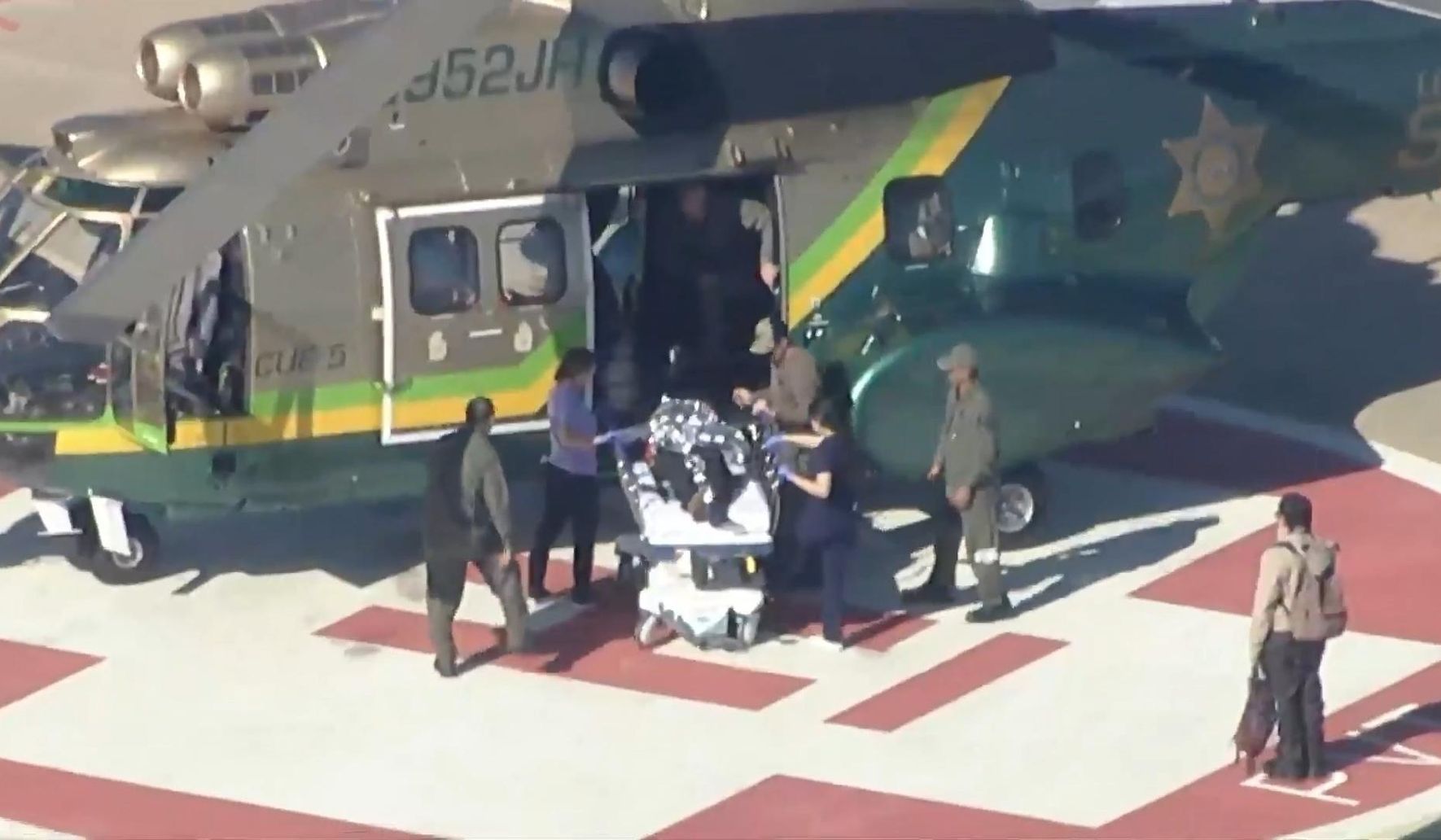
Rescue teams called out during high winds to reports of an injured hiker near a Southern California mountain trail found the man and two of his companions dead, authorities said.
Rescuers were dispatched after someone reported an injured hiker who had fallen down a slope close to a Southern California mountain trail. Wind gusts were strong at the time, complicating access and making the initial search more dangerous. When crews reached the scene, they discovered the fallen hiker and two companions who had also died.
The terrain in that part of Southern California can be steep and unforgiving, with loose rock and narrow paths that become perilous in high winds. Teams responding to emergency calls face hard choices about when to push forward and when to hold back until conditions improve. That balance between speed and safety often dictates whether a rescue can succeed or becomes another recovery operation.
Authorities confirmed the three fatalities but have not released names or specific identifying details as investigations and notifications proceed. Standard procedure calls for coordination with local law enforcement and coroner services to determine exact causes and to handle next steps. Those agencies typically piece together what happened from scene evidence, witness accounts, and any available communications from the individuals involved.
Weather plays a heavy role in backcountry emergencies, and sudden gusts can change what would otherwise be a manageable slip into a lethal fall. Rescue crews equipped for mountainous terrain still depend on visibility, secure footing, and safe zones for approaching victims. In situations where wind or unstable slopes make direct access impossible, teams sometimes have to rely on helicopters or wait for safer windows to reach the injured.
Cell coverage in many mountain areas is inconsistent, which can slow the alarm to rescue timeline when an injured person cannot call or when spotty service cuts off critical information. Even when someone manages to report an incident, ambiguous location details force crews to search a wider area, delaying contact with victims. That extra time can be decisive in the difference between survival and tragedy.
Mountain rescues draw on volunteers and professional personnel from multiple agencies, and their coordination during high-wind responses requires clear roles and steady communication. Safety officers often assess whether the operation is a rescue attempt or a recovery mission to protect both rescuers and the public. Those decisions are never taken lightly and reflect the realities rescuers face on exposed slopes.
Families and communities feel the impact of these events, both immediately and in the aftermath, as investigators work to close the facts around what unfolded. Officials will review conditions, timing, and response details as part of routine follow-up after a deadly incident. Meanwhile, the scene and any equipment used will be documented as evidence for official reports and records.

