

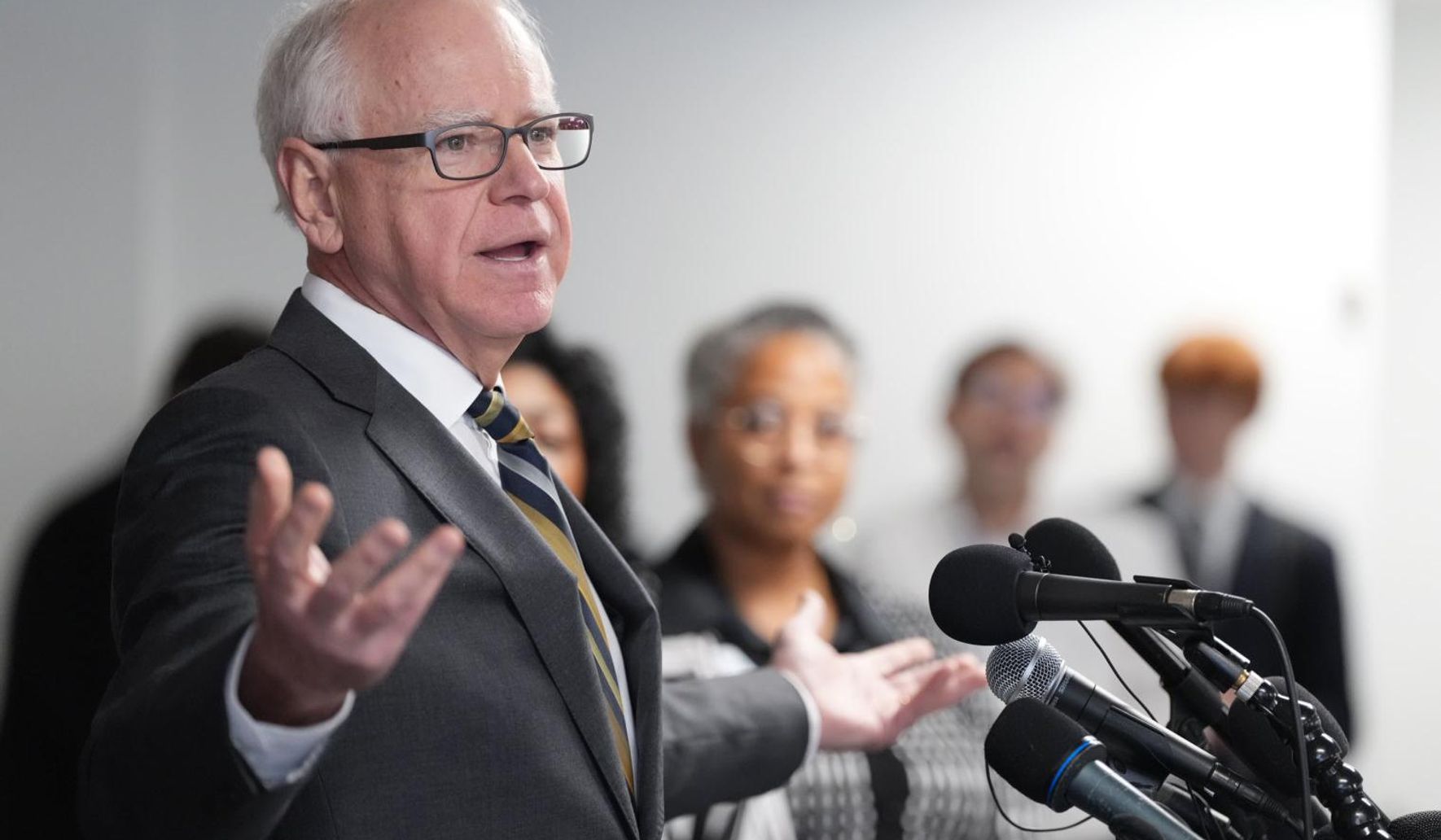
Tim Walz, once mentioned in hypotheticals about national office, is now Minnesota’s governor and reportedly considering a return to teaching geography, a shift that raises questions about priorities, experience and leadership at the state level.
Had history turned out differently, Tim Walz might be about to begin his second year as vice president. Instead, the Minnesota governor is thinking about going back to teaching geography. That pivot from statewide executive to classroom instructor sounds quaint, but it matters because it tells us how seriously he’s taking the job he already holds.
Minnesota voters put Walz in charge of a state with big challenges, from budget decisions to education and public safety. From a conservative viewpoint, the core issue isn’t whether a politician can teach; it’s whether stepping back into a classroom signals a willingness to hand off the heavy lifting. We want leaders who stay focused on governing, not politicking or career daydreams.
There’s a clear contrast between governing and the quiet work of teaching. Classroom work is noble, but governing requires sustained attention, hard trade-offs, and political stamina. When a governor publicly muses about swapping the governor’s office for a schoolroom, it invites legitimate concern about long-term commitment to pressing problems.
Republicans often point to accountability as the test of any leader. If a governor is thinking about leaving elected office for a different life, voters deserve straight answers about when and why. Is this a genuine plan rooted in public service, or a way to soften the transition after political setbacks? That matters for policy continuity and for people who depend on consistent leadership.
Walz’s background includes service and time in elected roles, which gives him a range of experiences. Still, the optics of returning to teaching can be exploited by critics on both sides. For conservatives, it becomes a question of priorities: will the governor stay focused on tax restraint, public safety, and school choice, or pivot toward a softer, apolitical image?
On education specifically, having a leader with classroom experience can be an asset if it translates into policy that empowers parents and improves results. But Republican critics worry that sentimental talk about teaching can mask an inclination toward more centralized control and higher spending on glossy programs that don’t deliver. The proof is in the policies, not the nostalgia.
Practical matters also matter. Governors set budgets, appoint officials, and respond to crises that affect millions. Stepping away mentally or signaling a desire to abandon the job could erode confidence among lawmakers, business leaders, and ordinary citizens. Republicans argue that leadership is about endurance and a willingness to see hard decisions through, not escape routes.
Politics is theater as much as policy, and public statements shape perceptions. If Walz wants to teach geography again, that’s his prerogative, but he should be crystal clear about timing and commitment. Voters should know if their governor plans to pursue another career soon, because that affects continuity on issues like infrastructure, education reform, and law enforcement funding.
Ultimately, the question conservatives ask is simple: will this governor be a steady hand through the next budget cycle and the next legislative session? Minnesotans need someone who prioritizes governing over personal career pivots. If Walz can show durable focus on concrete results—lower taxes, safer streets, and better schools—then talk of a classroom will seem less alarming.
For now, the image of a governor considering a return to teaching invites scrutiny rather than applause. Republicans will press for specifics, not sentiment. The state deserves clarity about where the governor’s energy is going and how it will be spent on the issues that actually affect people’s daily lives.

