

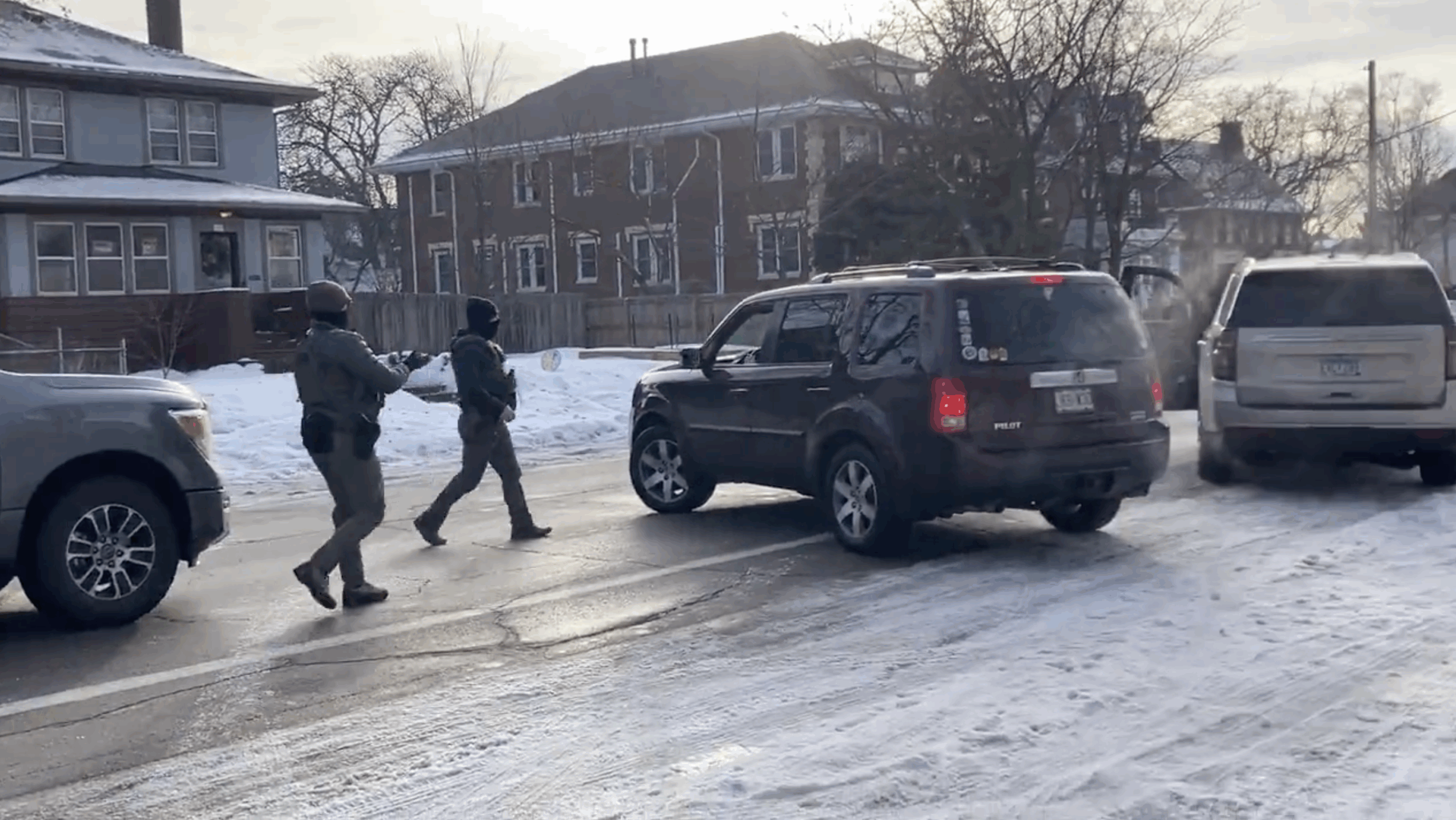
U.S. law enforcement arrested Venezuelan dictator Nicolas Maduro on Saturday on federal charges of narco-terrorism, drug trafficking, and conspiracy to import cocaine, with the Department of Justice saying agents worked “in close coordination” with the U.S. military to execute the warrant.
The arrest, announced by U.S. officials, names a sitting Venezuelan leader as the target of federal criminal charges, a rare and unmistakable move. Those charges are listed specifically as narco-terrorism, drug trafficking, and conspiracy to import cocaine, and they carry heavy legal exposure. The Department of Justice stressed that agents acted “in close coordination” with the U.S. military to carry out the operation.
This outcome follows long-running allegations that the Maduro government ran elements of a narco-state and allowed criminal networks to operate with impunity. For years, Washington has accused Caracas of facilitating illicit shipments and protecting smugglers who enable violence and addiction abroad. The U.S. action reflects frustration from policymakers who see cross-border drug flows as a direct threat to American communities and national security.
Using military support for a domestic law enforcement arrest warrant is unusual, but not unprecedented when officials consider risks and the need for precision. The Department of Justice framed the operation as a law enforcement matter executed with military assistance, which signals interagency trust and a willingness to use all tools to protect borders and citizens. Republicans generally favor strong measures to confront criminal regimes and their trafficking partners, and this arrest fits that approach.
Legally, the charges carry serious consequences if proven in U.S. courts, and the case will test the reach of American jurisdiction over international narcotics conspiracies. Successful prosecution would require solid evidence and careful handling to ensure constitutional protections are respected, even with a politically charged defendant. The diplomatic and legal mechanics of moving a foreign head of state into U.S. custody would also invite intense scrutiny and complex litigation.
The arrest is likely to complicate an already volatile situation in Venezuela, where Maduro’s grip on power has produced economic collapse and a refugee crisis. Caracas has long been subject to U.S. sanctions intended to pressure the regime over corruption and human rights abuses, and this development raises the stakes. For Republicans, the message is clear: accountability for transnational crime matters, and enforcement must follow through even against powerful foreign actors.
On the U.S. side, enforcement officials will face political and operational tests as the case moves forward, balancing national security with legal norms and international law. There will be hearings, evidence disclosures, and likely claims of political targeting from Maduro’s allies and state media. Even so, the Justice Department’s decision to cite coordinated action with the military underscores a priority: dismantle drug networks that endanger Americans.
Border security and the drug epidemic have been central themes for conservative policymakers, who argue that aggressive law enforcement and international pressure are necessary to stem fentanyl, cocaine, and other deadly substances. This arrest can be framed as part of a broader strategy to disrupt supply chains and hold foreign leaders accountable when they abet criminal enterprises. The Republican view emphasizes firm, decisive action rather than soft diplomacy that leaves threats intact.
For international partners and would-be enablers of illicit trafficking, the operation sends a direct signal about American resolve and capability. Governments and criminal networks will watch the legal proceedings closely, and the trial, if it occurs in U.S. courts, will become a touchstone for future efforts to address state-linked narcotics activity. The focus now shifts from a dramatic arrest to the long, technical work of prosecution and diplomacy, where outcomes will matter for policy and for communities harmed by drug trade and violence.

