

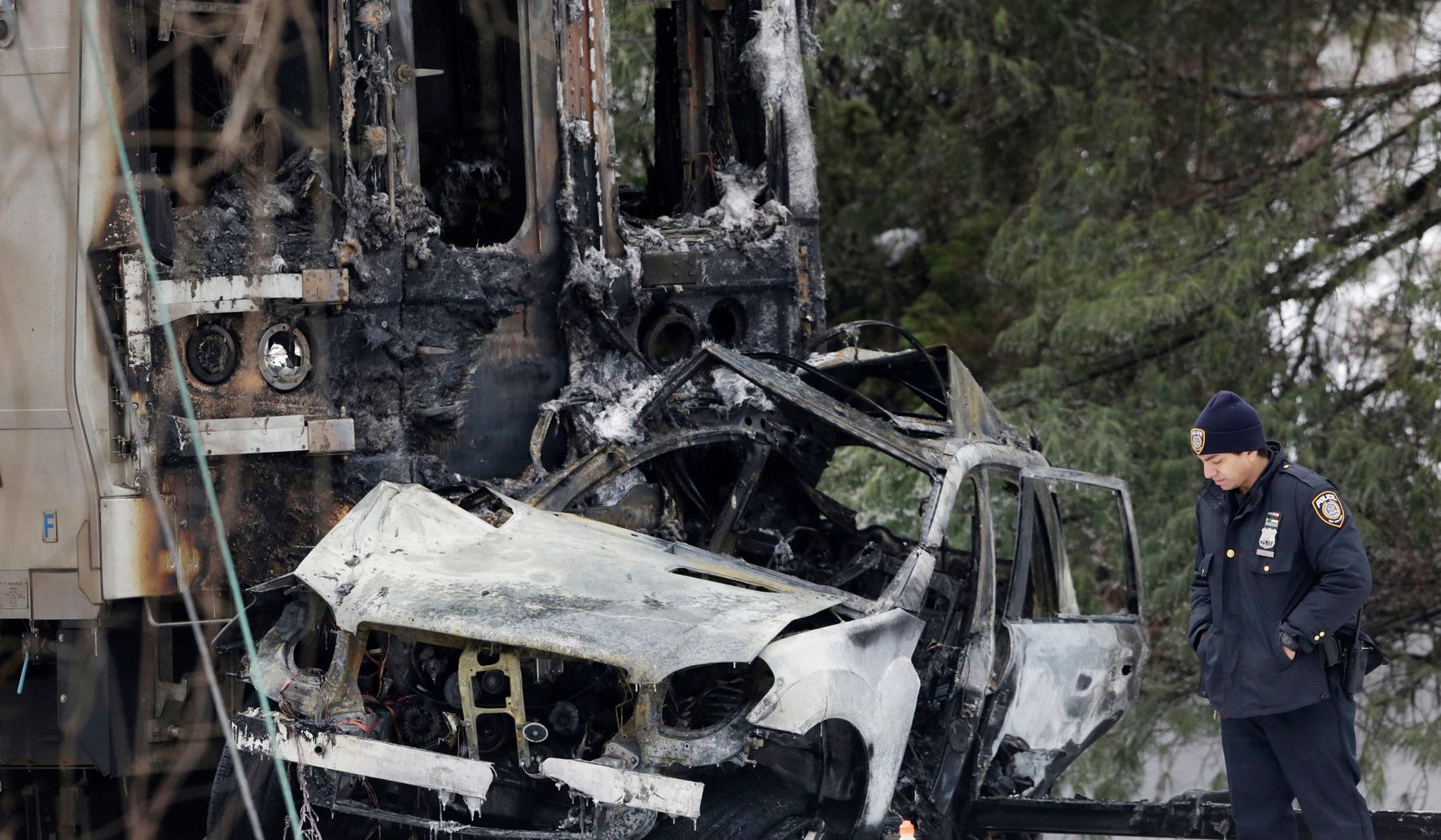
A more than $182 million settlement has been reached with victims of a deadly 2015 collision between a train and an SUV at a suburban New York crossing. The payment resolves long-running legal claims tied to the crash and brings a major chapter to a community that has been living with the fallout for years. It also revives questions about crossing safety, accountability, and the steps needed to prevent similar tragedies.
The collision in 2015 left families and neighbors stunned and launched a mix of public outrage, investigations, and lawsuits that stretched over several years. From the moment emergency crews arrived, the scene became a focal point for grief and scrutiny, with local leaders and residents demanding answers. Over time the incident fed into debates about grade crossing safety across suburban New York and similar communities nationwide.
Legal proceedings dragged through court rooms and settlement talks as plaintiffs pressed civil claims on behalf of those killed and injured. Negotiations eventually produced the settlement figure, which exceeds $182 million, resolving claims that had argued for accountability and compensation. While settlements do not serve as legal admissions of guilt, they do signal an end to the sort of prolonged jury trials that often follow high-profile transportation accidents.
For the families involved, the payout will provide financial resources many of them need to cover medical bills, funeral costs, lost income, and ongoing care where required. But money cannot replace lives, and the human cost of the crash remains front and center for community members. Even as legal papers are signed, the emotional and practical challenges that survivors and relatives face continue on a daily basis.
Beyond individual claims, the settlement has practical implications for the agencies, carriers, or insurers that were part of the litigation, prompting internal reviews and public statements about safety practices. Transportation operations and municipal authorities often undertake audits after high-profile cases to examine infrastructure, protocols, and training. Those audits can lead to new investments in warning systems, signage, signal timing, or physical barriers meant to reduce the chance of vehicles entering a train’s path.
The crash also reignited calls for broader investments in crossing safety technology and community education. Many advocates push for automatic gates, better lighting, clearer road markings, and advanced detection systems that can warn drivers and train operators sooner. Local activists pressured officials to prioritize prevention over litigation, arguing that upgrades would honor the victims by reducing future risk.
Legal analysts note that settlements of this size can shift the calculus for insurers and municipalities when weighing the cost of upgrades against the potential for expensive litigation. When a settlement is large, it tends to accelerate conversations about risk mitigation and the long-term cost-benefit of infrastructure improvements. Still, change often moves slowly, and budgetary constraints or bureaucratic hurdles can delay meaningful upgrades.
Community meetings, hearings, and safety briefings followed the agreement as residents sought concrete next steps and timelines for change. Elected officials and transportation administrators have faced pressure to translate the settlement moment into measurable safety outcomes, and watchdog groups continue to monitor progress. For many who live near crossings, daily routines still carry a reminder of what happened, and the hope is that visible improvements will ease those anxieties.
The legal resolution closes one chapter of a painful story while opening others about how to prevent similar tragedies and how those affected move forward. As agencies review policies and planners consider engineering changes, the voices of victims’ families remain central to demands for accountability and safer crossings. The settlement is a major development, but it is also a prompt to keep pushing for measures that reduce risk and protect people on both sides of every rail crossing.

