

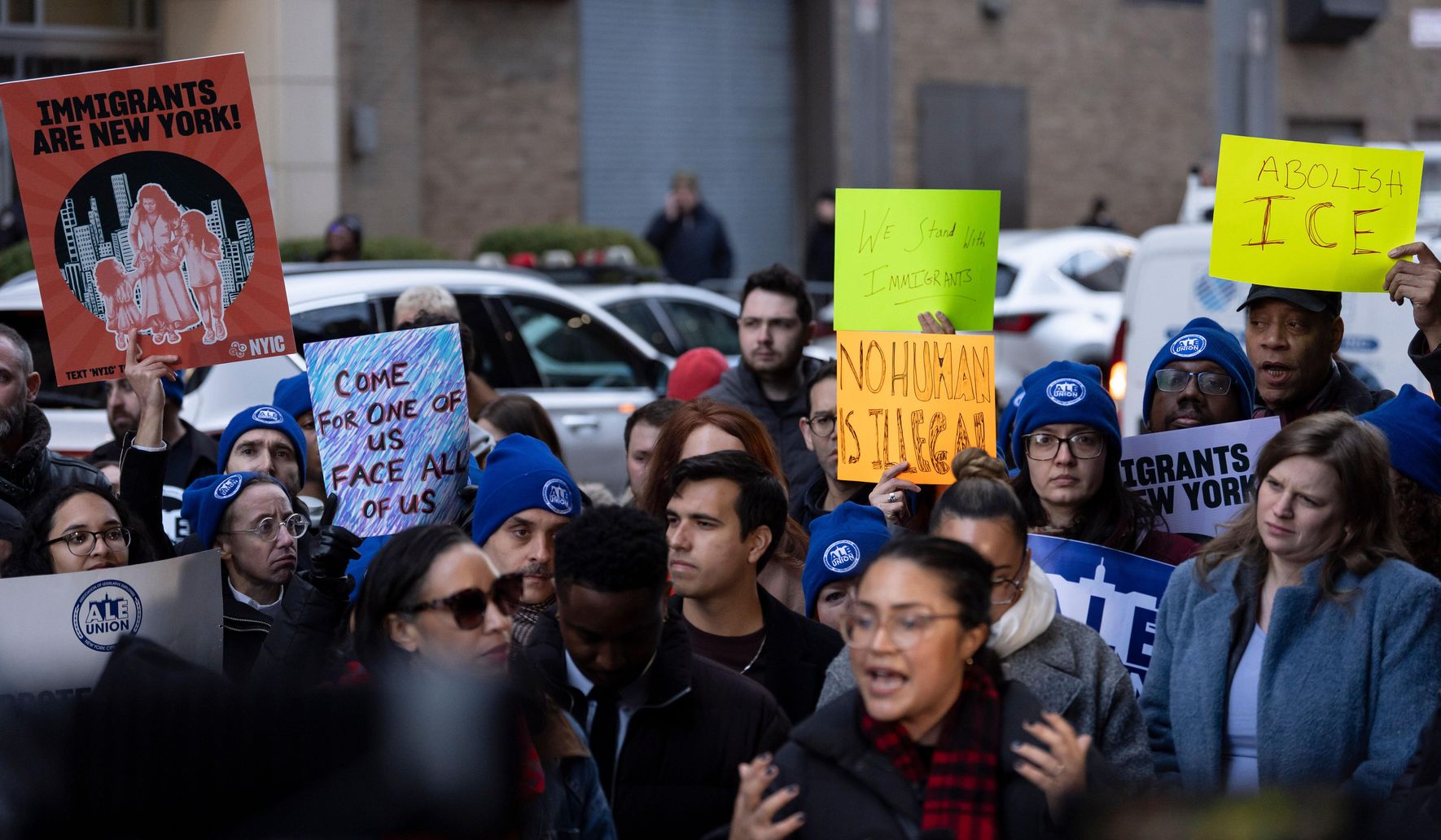
Federal immigration agents picked up a New York City Council employee under the Trump administration’s enforcement sweep, touching off protests at a Manhattan detention center and sharp exchanges between city officials and federal authorities.
The arrest of a city government employee during a federal immigration operation exposed the friction between local sanctuary policies and the Trump administration’s emphasis on strict border and interior enforcement. City leaders immediately condemned the action, calling it an unacceptable intrusion into municipal affairs. Supporters of tougher immigration enforcement, including many Republicans, argued the federal government was simply doing its job to uphold immigration laws.
Officials in New York expressed outrage that a municipal worker was detained, saying the arrest undermined local efforts to protect residents who might otherwise avoid city services. Protesters gathered outside the Manhattan detention center Tuesday to demand the employee’s release and to denounce federal tactics. The demonstrations highlighted the political cost of aggressive interior immigration enforcement in cities that have resisted full cooperation with federal agencies.
From a Republican perspective, the basic issue is straightforward: federal authorities are responsible for immigration enforcement and have the authority to detain individuals who violate federal law. Conservatives argue that local sanctuaries create safe havens that complicate public safety and allow illegal behavior to persist. They insist that arresting someone who is in the country unlawfully is consistent with the rule of law, regardless of the person’s employer or the political optics.
City officials counter that cooperation with federal immigration enforcement undermines trust between immigrant communities and city services, potentially discouraging victims and witnesses from coming forward. That argument resonates with many Democrats and progressive activists who say local governments should shield residents from deportation risks when possible. The clash is emblematic of a broader tug-of-war over who sets public safety priorities in America’s largest cities.
The detained council employee’s status raises legal and ethical questions about employment and jurisdiction. Municipal employment does not shield someone from federal immigration statutes, but city leaders argue there should be clear protocols to protect municipal functions and confidentiality. Republicans rebut that shielding someone simply because of a city job weakens the authority of federal immigration law and encourages local obstruction.
Protesters at the detention center signaled that the political battle is as important as the legal one. Rallies and public outcry force elected officials to take sides and mobilize their bases, intensifying the partisan split. For many conservatives, the public response underlines the need for consistent, nationwide enforcement that does not bow to local political pressure.
Legal proceedings will determine the detained employee’s immediate fate, but the political fallout is already clear. City leaders will press for protections and perhaps demand better communication or restraint from federal agents operating in urban environments. Republicans, meanwhile, will likely point to this case as justification for policies that enhance federal reach and make it harder for localities to block enforcement.
This incident also puts a spotlight on municipal governance and the responsibilities of elected officials. If a city employs someone who is subject to federal immigration action, officials must decide how to respond in a way that preserves city operations while addressing legal realities. Republicans argue that city administrations should cooperate with federal authorities rather than impede them, arguing cooperation enhances public safety for all residents.
At the same time, the situation underscores the deeply polarized climate around immigration policy. Each side frames the story to fit a wider narrative: one of protecting neighborhoods and enforcing laws, the other of shielding vulnerable residents from deportation and building trust. As the legal case moves forward, the political theater around the detention center will likely continue, shaping public opinion and policy discussions in the weeks ahead.

