

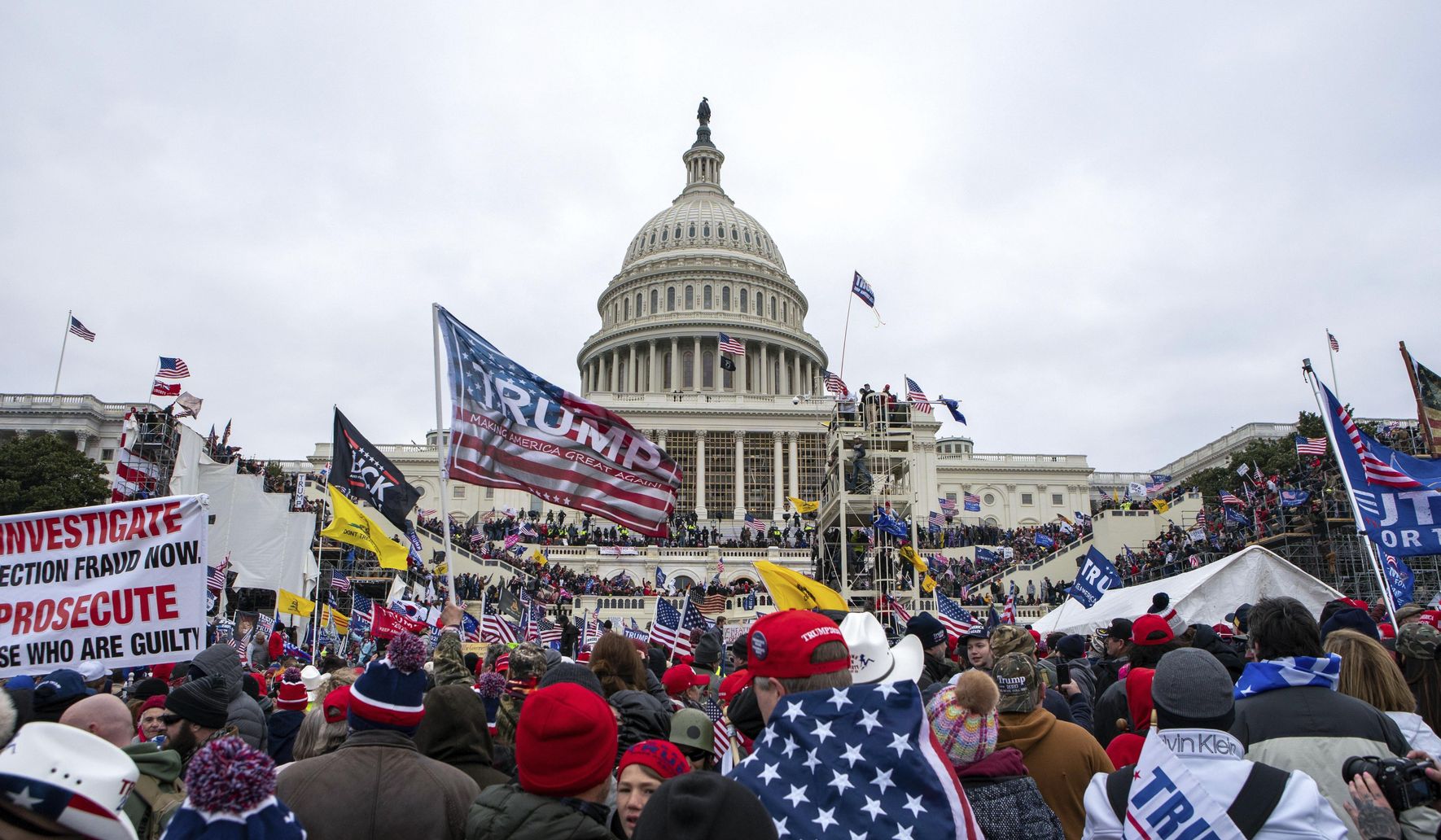
This piece looks at proposed Virginia legislation that would require public schools to call the Jan. 6, 2021, attack an “unprecedented, violent attack” and considers the classroom, legal, and civic consequences.
Delegate Dan Helmer has introduced a bill that would obligate Virginia public schools to describe Jan. 6, 2021, in class using the phrase “unprecedented, violent attack.” The proposal frames a specific historical judgment as mandatory classroom language, which raises immediate questions about who decides how recent events are taught. Lawmakers and parents across the political spectrum are already debating what mandatory phrasing means for local control and academic freedom.
From a Republican viewpoint, saddling teachers with fixed terminology risks turning classrooms into platforms for a single political narrative. Education should be about presenting facts, encouraging critical thinking, and letting students weigh evidence, not reciting government-mandated labels. When state law prescribes language for sensitive recent events, it undermines teachers’ professional judgment and invites partisan enforcement.
There are practical problems, too. A law that requires a particular phrase leaves little room for context, nuance, or discussion of broader causes and consequences. History classes must connect events to civic institutions, legal outcomes, and differing perspectives; a one-size-fits-all sentence makes that harder. Students deserve instruction that explains legal findings, investigations, and the range of civic responses without being told exactly what words to use.
Parents have a stake in what their children learn, and many Republicans argue that local communities should set curriculum priorities. School boards and parents are closer to classrooms than the statehouse, and they can respond to local concerns about balance and tone. Mandating specific language from Richmond sidesteps that local process and risks alienating families who want open discussion rather than mandated verdicts.
There is also a constitutional angle to consider. Compelling teachers to speak in a prescribed way raises free speech and academic freedom questions. Courts have repeatedly protected educators’ rights to present material in a pedagogically appropriate manner, and a statutory order on phrasing could trigger legal pushback. Republicans typically favor empowering parents and local officials to challenge overreach that intrudes on classroom autonomy.
Political implications are unavoidable. Making a single interpretation the legal norm could be used as a political cudgel by whichever side controls enforcement. That invites selective implementation and creates incentives for future lawmakers to legislate preferred historical interpretations. Republicans warn that history should not become a scoreboard where the majority in power rewrites classroom language to fit short-term political goals.
There are constructive alternatives that protect both truth and intellectual freedom. Instead of prescribing vocabulary, legislators could require that schools teach the facts of Jan. 6, 2021, including legal outcomes, the sequence of events, and the civic institutions involved. Emphasizing critical analysis, source evaluation, and civic norms teaches students how democracy works without turning classrooms into battlegrounds for current partisan fights.
Republican lawmakers and advocates are likely to push for policies that reinforce local control, transparent curriculum processes, and stronger parental input. That approach prioritizes accountability and ensures communities have a say in how sensitive events are handled in class. It also keeps the focus on equipping students with the skills to assess competing claims rather than memorizing state-mandated labels.
The debate over this bill highlights a broader tension about how recent, contested events should enter school curricula. While many agree that Jan. 6, 2021, is a major event worth studying, the question is who gets to shape the narrative and in what setting. Conservatives argue that the best path is local oversight, robust classroom discussion, and teaching methods that promote civic competence instead of prescribing partisan language.
Whatever the outcome, the proposal to require the phrase “unprecedented, violent attack” in Virginia classrooms will force lawmakers, school officials, and parents to confront how we handle living history in schools. That conversation matters because the way a generation learns about national stress points shapes their understanding of civic life. Republicans will press for policies that preserve teacher discretion, parental rights, and a nonpartisan approach to civic education.

