

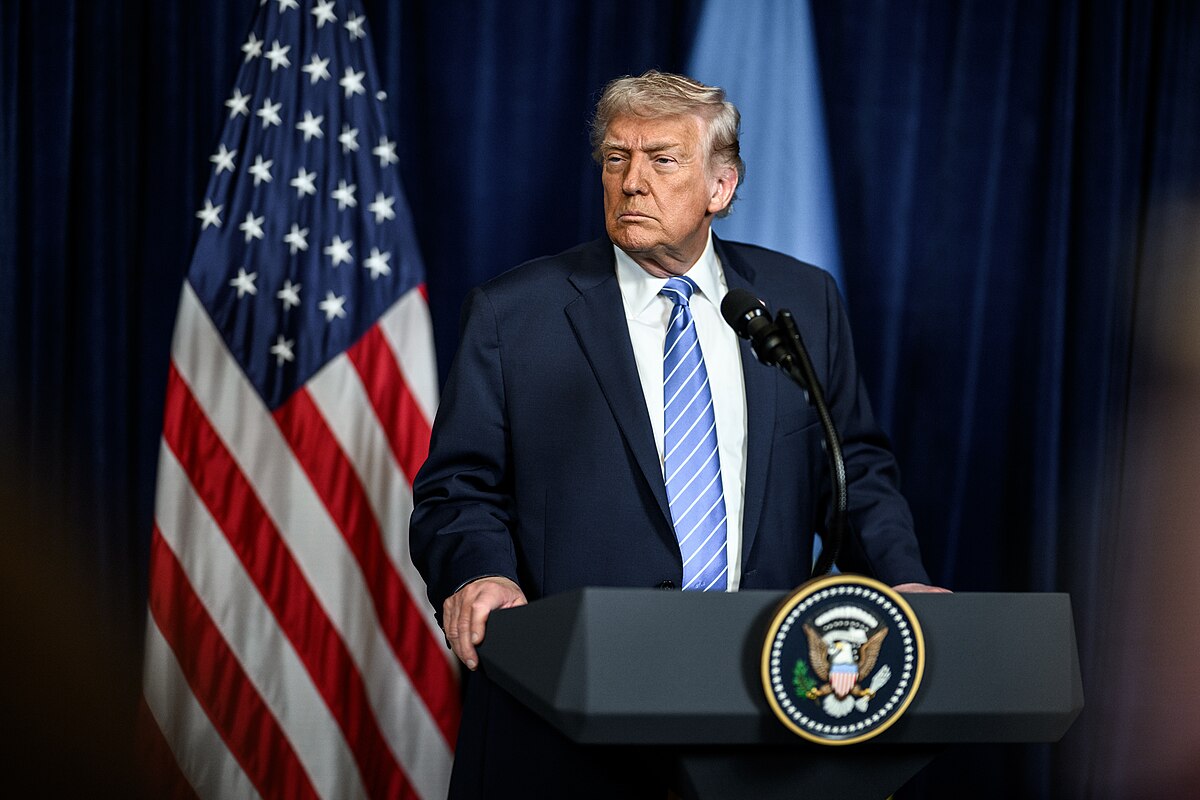
President Trump has warned he may use the Insurrection Act of 1807 to stop leftist-led attacks on ICE agents in Minneapolis, Minnesota, after fresh reports of confrontations with federal officers.
When you hear that the president is threatening to invoke the Insurrection Act of 1807, you should take it seriously. That law exists to restore order when local governments fail to protect federal employees and maintain basic public safety. In this case, the focus is on ICE agents under attack in Minneapolis, Minnesota, amid escalating protests and coordinated harassment.
The situation on the ground has been chaotic, with activists openly targeting federal personnel. Local leaders in Minneapolis have shown reluctance to intervene, and that lack of action is what prompts talk of federal measures. For many conservatives, calling in federal authority is a reasonable response when city officials appear unwilling or unable to secure law enforcement protections.
President Trump’s Truth Social post came shortly after officials revealed yet another confrontation involving federal immigration agents. Those posts are blunt and to the point, reflecting frustration with permissive local leadership and a desire to protect federal workers. The message is clear: when local authorities let violence or harassment continue, federal intervention becomes the fallback option.
Critics will call any move heavy handed, but there is a legal framework for this kind of intervention. The Insurrection Act of 1807 has been used sparingly over the centuries, precisely because it is a tool for extraordinary circumstances. If federal personnel are being obstructed or assaulted while performing their duties, the federal government has a duty to step in and ensure safety and the rule of law.
Minneapolis has become a symbol of what happens when local political priorities prioritize optics over order. Elected officials who signal tolerance for aggressive protesters undermine everyday law enforcement and invite escalation. That creates a dangerous environment for federal agents who are simply trying to enforce immigration laws and perform routine operations.
From a Republican standpoint, protecting federal employees and maintaining public order should not be controversial. ICE agents are carrying out duties authorized by law, and they deserve protection from violence and intimidation. When local leaders refuse to act, the federal government must weigh its options to preserve safety and enforce federal statutes.
There is also a practical concern about precedent. Allowing sustained, targeted attacks on federal personnel without consequences encourages more of the same. Political actors who set soft boundaries today risk empowering more aggressive tactics tomorrow. A firm response, even if unpopular with some, can deter further escalation and restore basic protections.
Supporters of a federal response argue that clear, decisive action prevents small disturbances from becoming wide scale breakdowns. The goal is not to silence legitimate protest but to stop violent or coordinated efforts that cross legal lines. When protests shift into targeted harassment of federal officers, they stop being civil disobedience and start being criminal behavior that demands enforcement.
Opponents will say invoking the Insurrection Act is extreme, and that debate matters in a democracy. Still, the alternative—allowing federal agents to be continually targeted—carries its own risks. Political leaders must balance civil liberties with the obligation to protect public servants and the public at large from harm.
It is also a matter of restoring respect for institutions. When federal agents are obstructed while performing lawful duties, it chips away at the rule of law. The country cannot function if local politics routinely override federal responsibilities and create zones where laws are selectively enforced based on ideological leanings.
As the story unfolds, attention will be on whether President Trump follows through and how Minneapolis officials respond. The situation will test the limits of local authority, federal responsibility, and public tolerance for disorder. For many on the right, the issue is simple: protect federal employees, defend the rule of law, and use available tools to restore order when local governments fail.
Whatever happens next, the conversation about federal intervention will continue to center on safety, accountability, and the proper role of government at different levels. That debate is as much about principles as it is about immediate tactics, and it reflects broader disagreements over law enforcement, governance, and the boundaries of protest.

