

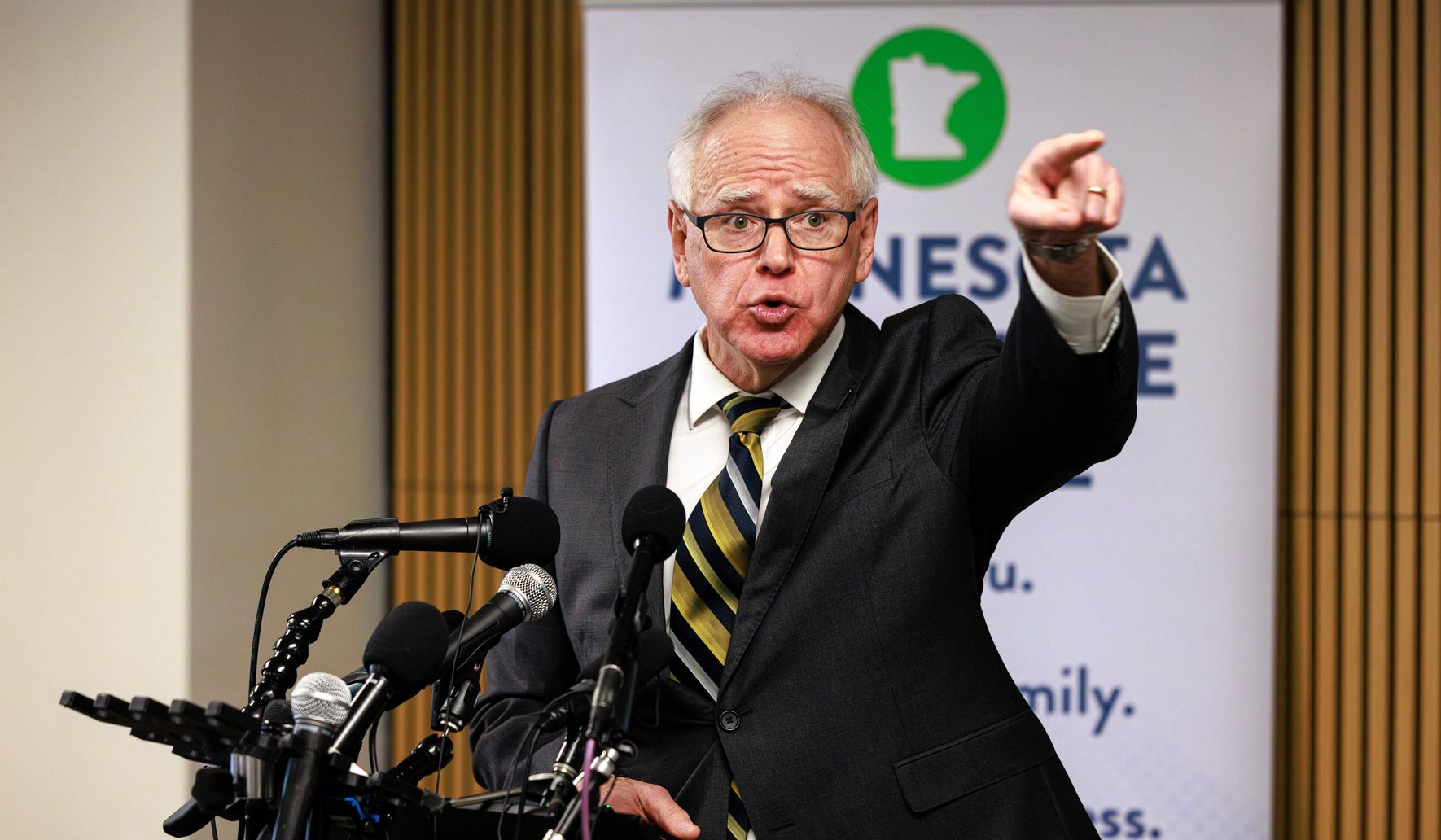
The Trump Justice Department has opened an investigation into senior Minnesota political figures for allegedly impeding federal law enforcement and has issued subpoenas, according to news reports Friday.
This development signals a serious escalation in federal scrutiny of state-level actors reportedly blocking cooperation with federal law enforcement. The story centers on allegations that top Minnesota political leaders interfered with federal operations, prompting subpoenas tied to that obstruction. News reports Friday first made the subpoenas public and outlined the scope of the inquiry.
From a Republican viewpoint, the proper role of the Justice Department is to enforce the law without fear or favor, especially when federal operations face resistance. When state officials cross lines that hinder federal agents, it threatens public safety and the rule of law. Subpoenas are a standard tool to gather facts and hold people accountable when necessary.
On the ground, subpoenas can force the production of documents and testimony that reveal whether officials deliberately obstructed federal activity or merely clashed over policy. The distinction matters, because political disagreement is routine while obstruction of law enforcement is not. The Justice Department’s investigation aims to clarify which of those descriptions fits the conduct under scrutiny.
Legal experts will watch how prosecutors define the alleged impediments and whether the evidence satisfies the standards for obstruction or other offenses. The process should be transparent enough that the public can see why investigators moved from questions to formal subpoenas. Republicans generally insist that investigations be thorough, unbiased, and focused on facts rather than partisan gain.
The timing and targets of subpoenas often draw sharp political reaction, with defenders calling them overreach and critics calling them overdue. That reaction is predictable, but it should not obscure the underlying legal questions: did officials interfere with federal duties, and if so, did their actions rise to a prosecutable level? Answering that requires document review and witness interviews that subpoenas facilitate.
Observers will also be attentive to how state officials respond, both in public statements and in legal courts. A lawful, cooperative response can limit disruption and speed resolution, while defiant postures may prolong conflict and complicate enforcement. Republicans will likely emphasize respect for federal authority and urge swift cooperation to protect communities and federal operations.
Ultimately, the investigation raises broader questions about the balance between state discretion and federal law enforcement powers. Republicans generally favor clear accountability when federal agents face impediments, arguing that chaos or selective cooperation undermines democratic governance. As the subpoenas work their way through the process, the core issue remains whether the facts support allegations of obstruction and whether justice will be applied fairly and decisively.

