

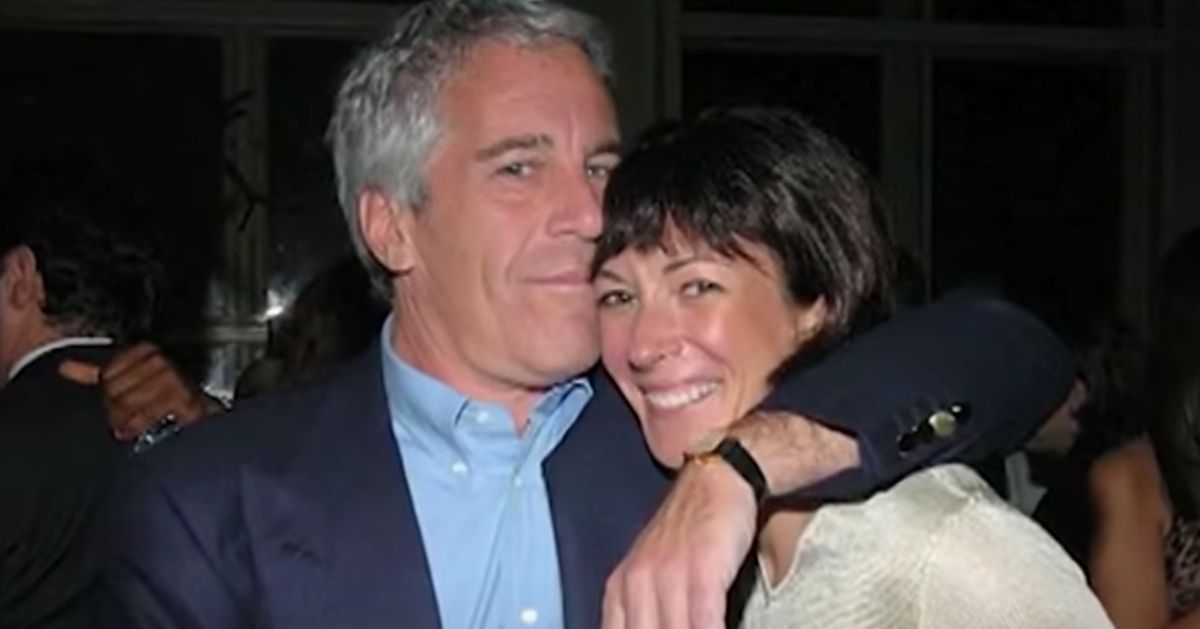
Ghislaine Maxwell, convicted in 2021 for recruiting and trafficking underage girls for Jeffrey Epstein, has agreed to a virtual appearance before the House Oversight Committee on Feb. 9, though she is expected to invoke her Fifth Amendment rights; the hearing arrives after a string of DOJ and FBI findings and legal moves that continue to fuel public and congressional scrutiny.
Ghislaine Maxwell’s scheduled Feb. 9 virtual appearance puts a convicted associate of Jeffrey Epstein back under congressional focus. She is currently serving a 20-year federal sentence after her 2021 conviction for recruiting and trafficking underage girls for Epstein. An Oversight Committee spokesperson warned she is likely to plead the Fifth, which only raises questions for those who want accountability.
House Oversight Chairman James Comer announced the date during a markup tied to contempt resolutions, underlining the committee’s determination to press for answers. Comer has been outspoken about the probe and signaled frustration with anticipated silence from Maxwell’s team. “Her lawyers have made it clear that she’s going to plead the Fifth,” he said.
Comer didn’t stop there: “I hope she changes her mind, because I want to hear from her.” From a Republican oversight standpoint, that’s a fair demand—Congress should be able to ask tough questions when the public has unanswered concerns. The committee’s push shows it won’t be satisfied with simple legal evasions.
The path to this virtual deposition stretches back through a series of developments starting last summer, including a July 6, 2025, DOJ and FBI memo that said no evidence of an Epstein “client list” exists and concluded his 2019 death was by suicide. On August 11, 2025, Comer issued a subpoena for Maxwell to sit for a deposition at Federal Correctional Institution Tallahassee, with cooperation from DOJ officials. The committee denied Maxwell’s immunity request in July, and a two-day DOJ interview was followed by her transfer on July 31 from FCI Tallahassee to Federal Prison Camp Bryan in Texas.
Legal maneuvers have continued since then. Maxwell’s appeal to overturn her conviction was denied by the Supreme Court on October 6, 2025. Deputy Attorney General Todd Blanche announced plans on July 22 to question Maxwell about her role, and her legal team has pushed back hard against congressional demands. In a letter reported by the BBC, her attorneys dismissed the planned testimony as futile.
That letter included a blunt line that must be preserved exactly: “Put plainly, proceeding under these circumstances would serve no other purpose than pure political theater and a complete waste of taxpayer monies,” they wrote. Keeping quotes intact matters, and the quote speaks for Maxwell’s defense strategy: label the oversight as political theater and hope to blunt scrutiny. From a Republican oversight view, the label doesn’t erase the need to probe.
The public’s appetite for clarity hasn’t faded since Epstein’s death in 2019 before he could stand trial on federal sex-trafficking charges. Social media continues to circulate claims and redacted images tied to the case, and posts like one from Nick Sortor on December 19, 2025, keep the story in public view. Unverified social claims can muddy the record, yet they also reflect a wider frustration that official channels haven’t produced all the answers people want.
Questions about Maxwell’s transfer to a minimum-security facility in Texas have also raised eyebrows. Observers wonder whether transfers and treatment are routine prison procedure or part of leverage and incentives tied to cooperation. The optics matter: when the process looks opaque, trust in institutions slips, and that is unacceptable to oversight-minded lawmakers.
Maxwell’s likely invocation of the Fifth is a predictable legal tactic, but it won’t end the committee’s work. Congressional investigators already have a record of interviews, memos, subpoenas, and court rulings to shore up further lines of inquiry. Republicans on the committee are signaling they will treat obstruction as part of the story, not a reason to step back.
At stake is more than one testimony or one prison transfer; it’s whether Congress can press for the full truth about Epstein’s network and the decisions that followed his death. Even if Maxwell stays silent on Feb. 9, Republicans intend to use every lawful tool to keep digging and to demand clear answers for the American people.

