

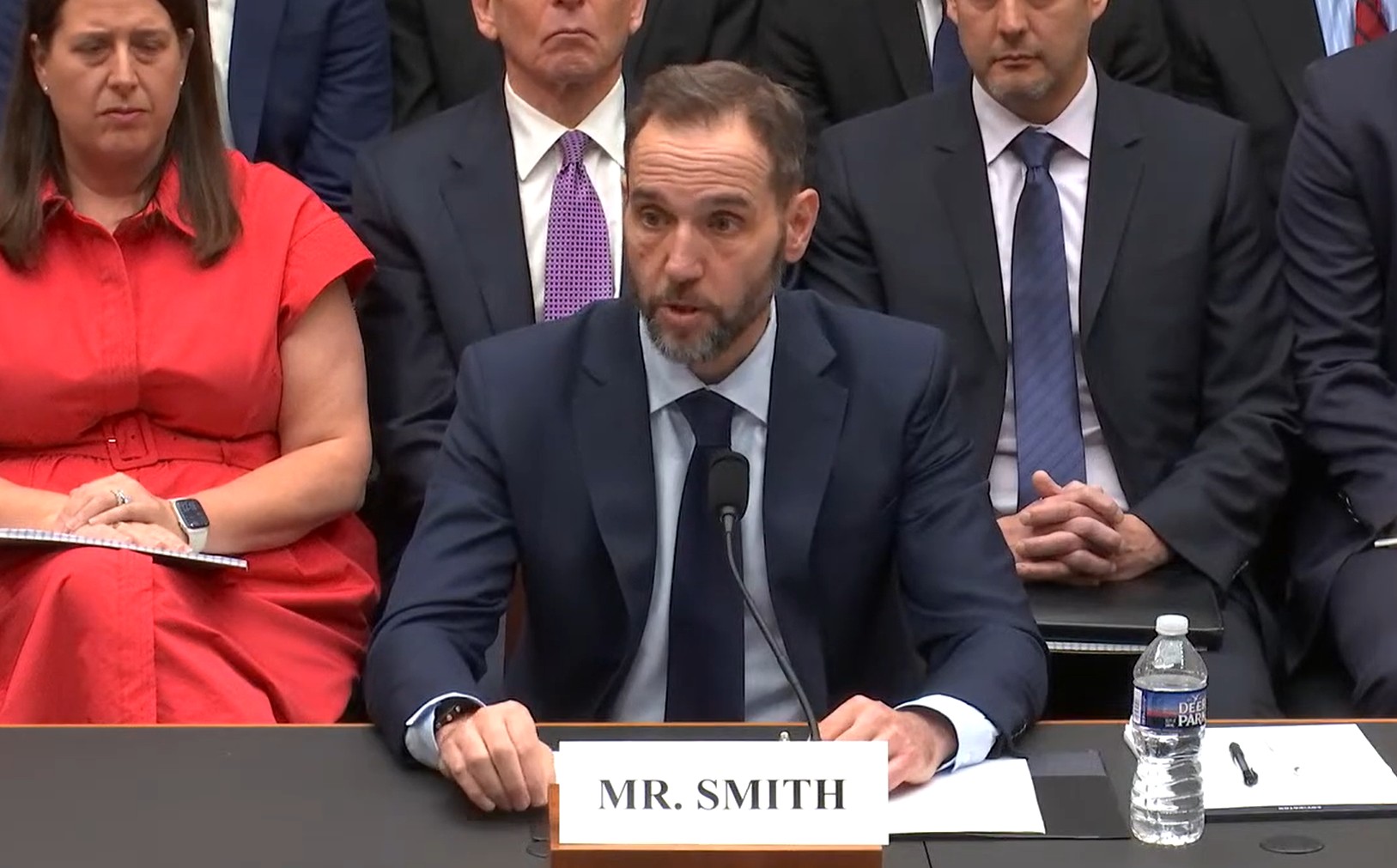
This article examines how Democrats use the legal system against political opponents and what that means for conservatives, institutions, and public trust.
Conservative voters see a pattern where law enforcement and prosecutors are treated as tools in political fights, not neutral enforcers of the law. That perception shapes how Americans view investigations, trials, and the press that covers them. The result is a hardening of attitudes and a loss of patience with institutions that once inspired confidence.
Whether you’re a normal, conservative American who happens to like Trump, or Trump himself, Democrats will work tirelessly to throw their enemies in prison. That claim is charged, but it reflects a broader Republican view that partisan motives drive many high-profile cases. People notice when similar conduct receives wildly different responses depending on which party is involved.
From grand jury subpoenas to public leaks timed with news cycles, critics argue that the process often looks more like prosecution theater than sober enforcement. When cases are treated as headlines first and legal matters second, facts can be buried under narrative. That fuels skepticism and gives voters reason to question whether justice is even-handed.
The political fallout is practical, not just rhetorical: citizens who feel targeted by selective enforcement are less likely to cooperate with law enforcement or accept its judgments. That weakens the social fabric conservatives care about and hands the court of public opinion to whoever controls the messaging. Voters respond to perceived unfairness the same way in local races as they do in national ones.
Republicans argue the answer is transparency and consistent standards, not simply swapping one partisan team for another. Clear rules about referrals, conflict checks, and special counsel limits are seen as ways to reduce the incentive to weaponize investigations. Those proposals aim to restore a baseline where outcomes reflect the law, not the political calendar.
Meanwhile, the credibility of prosecutors matters more than ever, because once trust collapses it is hard to rebuild. When decisions look politicized, every future indictment carries a taint of suspicion, and legitimate prosecutions suffer collateral damage. That makes discipline and impartiality vital for anyone who wants to preserve the rule of law.
As political fights continue, voters should expect more of the same unless structural changes are made and enforced. The tug-of-war over legal institutions is already reshaping campaign strategy and media coverage. How this plays out will determine whether courts become battlegrounds or remain neutral forums where people actually settle disputes.


1 Comment
Jack Smith is a political hack working with the Communist Democrats while lieing under Oath constantly and using the Communist Democrats regular “I don’t recall and I don’t remember” routine.
They’re all domestic enemies of the United States, working to take power and eliminate the Constitution to permanently remain in power.
They’ve done more harm to the American Citizens than any elected officials in the past, and should the American Citizens vote them into office they’ll be replaced by the Illegals and forced to pay for the free handouts for the Democrats continued votes.
The Communist Democrat voters don’t know what’s in store for them. Those indoctrinated voters will become 2nd class citizens and treated as invaders and get nothing.