

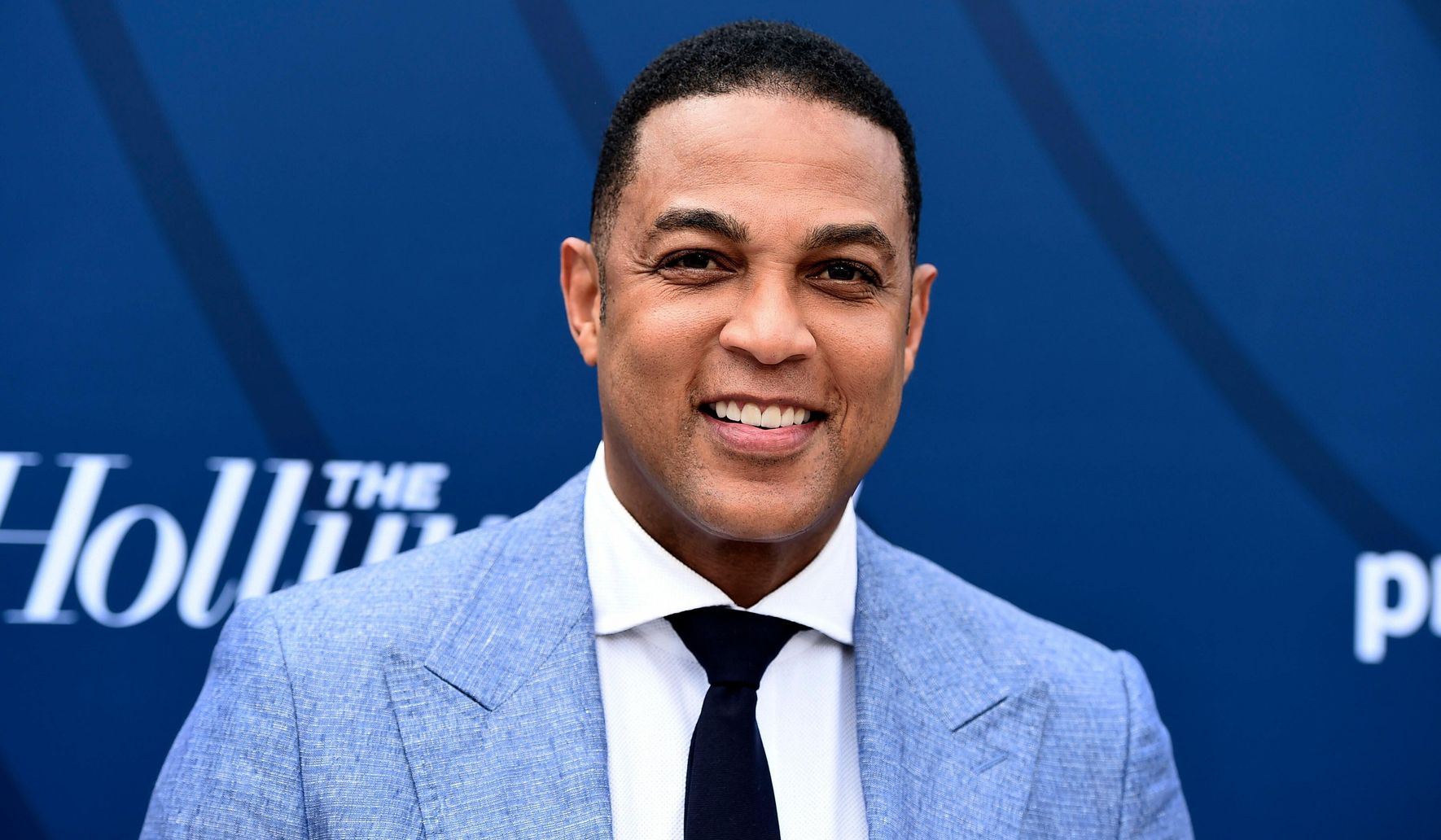
With the federal arrest of Don Lemon in Los Angeles, a complex legal battle begins that pits the sanctity of worship against the freedom of the press.
The federal arrest of Don Lemon in Los Angeles is already reshaping how courts and the public think about overlapping rights. This case brings questions about where religious sanctuary ends and where journalistic license begins, and those lines matter for both institutions. People on all sides are watching to see which legal arguments will stick and which will fall away under scrutiny.
One immediate issue is jurisdiction and venue. Federal authorities chose to bring charges in Los Angeles, which raises questions about why federal rather than local prosecutors took the lead. Jurisdiction can affect everything from the evidence that’s admitted to the rules governing grand juries and indictments, so defense teams will scrutinize why federal agents were involved.
Another key question is the legal status of a place of worship in this context. Courts have long treated sanctuaries differently for certain protections, and officials will need to establish whether that status should influence investigative steps. If the location where events unfolded is treated as legally privileged or protected, it could limit how investigators use what they found there.
The role of the press is central here, too. Journalists enjoy protections when gathering news, but those protections are not absolute, especially if criminal conduct is alleged. Lawyers will debate whether reporting activities can be separated from potential criminal acts, and whether First Amendment arguments shield a reporter from standard investigative tools like subpoenas or search warrants.
Evidence collection and admissibility will be fought over intensely. Authorities will outline their methods for obtaining documents, recordings, and witness statements, while defense attorneys will test whether those methods complied with constitutional guarantees. Challenges could include motions to suppress evidence if agents exceeded legal limits during the investigation.
Grand jury secrecy and witness testimony present another tactical battlefield. Federal grand juries operate under strict secrecy rules designed to protect witnesses and the integrity of investigations, yet leaks and public statements can complicate proceedings. Both sides will worry about how public pressure and media coverage influence witness willingness to testify or cooperate.
Expect disputes over intent and journalistic purpose to dominate courtroom arguments. Prosecutors must prove a particular mental state for many federal offenses, while the defense will push a narrative of reporting and public interest. Judges will play a crucial role in defining how evidence of intent is framed and whether protective doctrines for news gathering apply.
The interplay between criminal procedure and civil liberties will also land in appeals courts, potentially setting new precedents. Lower courts may issue rulings that prompt appellate review on how to balance religious freedom, press protections, and law enforcement needs. Those appellate outcomes could shape future cases and the boundaries of both church and press privileges.
Public perception matters here as much as legal doctrine. Media coverage will feed public opinion, and public opinion can pressure political actors and even influence prosecutorial priorities. That dynamic makes courtroom strategy as much about narrative control as it is about filing motions and arguing statutes.
Practical effects could ripple beyond the courtroom into newsroom practices and religious institution policies. News organizations will reassess how reporters engage with sensitive sites and how they document interactions to preserve legal defenses. Religious leaders may review access rules, internal policies, and communications strategies to avoid entanglement with investigations.
The schedule for pretrial motions, hearings, and possible plea negotiations will determine how fast the case moves and which issues reach a judge or jury. Expect a steady cadence of legal filings challenging jurisdictional decisions, evidence collection, and constitutional claims. Each procedural move will narrow or expand the focus of the dispute and indicate which legal avenues either side thinks strongest.
The stakes go beyond a single defendant: this case could influence how investigators approach religious settings and how the press operates around legally sensitive events. Courts will need to navigate overlapping rights without undermining constitutional protections, and the outcomes here could create guidance for future conflicts between worship spaces and newsgathering. Observers should watch the early filings to see which arguments gain traction and which become the central questions moving forward.

