

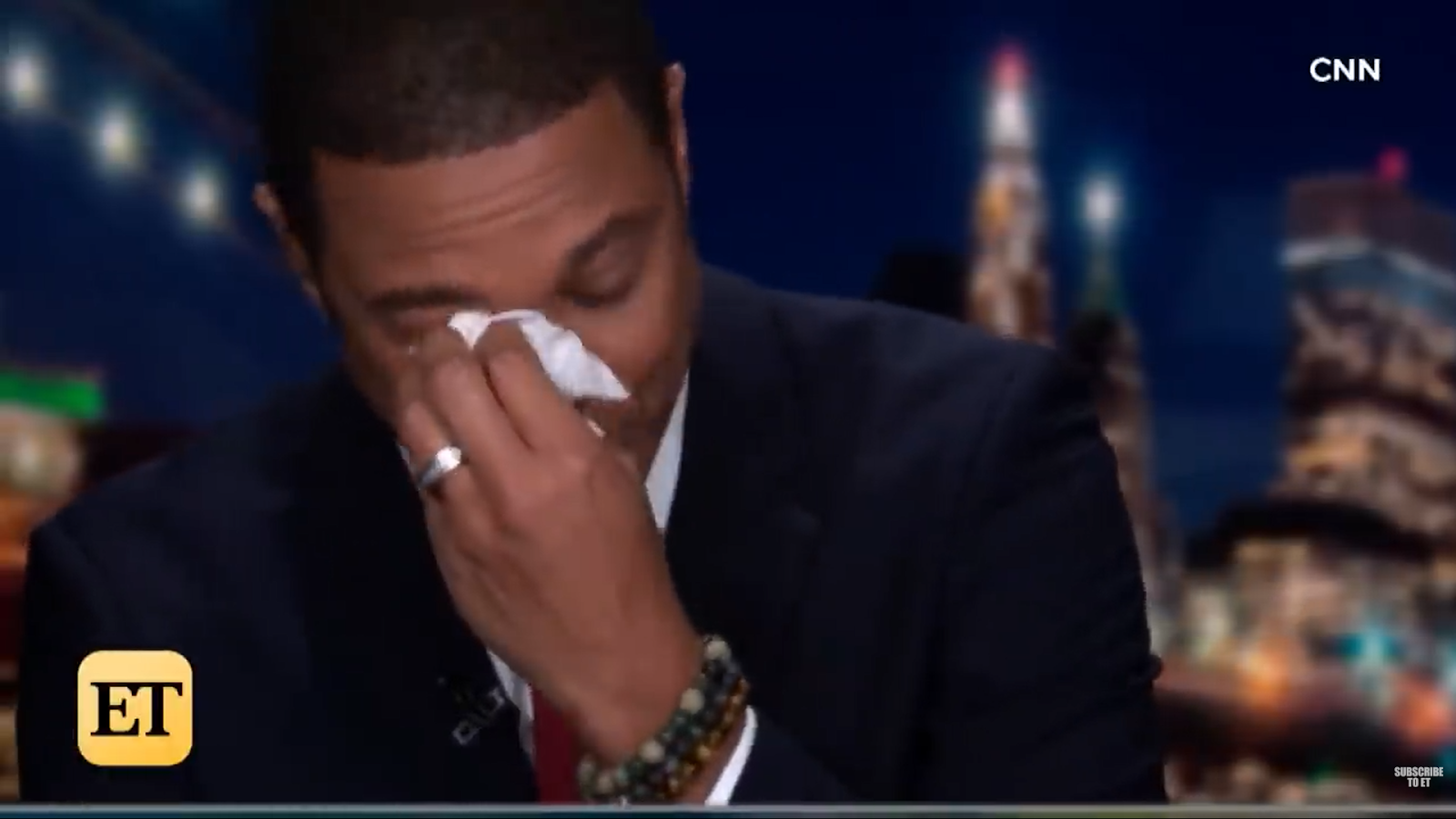
A grand jury has indicted former CNN host Don Lemon over his role in a leftist-led storming of a Minnesota church, and federal agents arrested him Friday morning.
The indictment marks a rare move toward holding a prominent media figure to account for alleged participation in violent political activity, and federal authorities carried out an early morning arrest. “At my direction, early this morning federal agents arrested Don Lemon, Trahern […]” appears in reporting tied to the enforcement action, and that line remains part of the public record. This is not simply a newsroom controversy; it has moved into the criminal justice system.
A grand jury decision to indict means prosecutors convinced jurors there was enough evidence to charge someone and put the case into the courtroom. Federal arrests are serious and signal that authorities view the matter as more than a local disturbance. The indictment and arrest will now trigger arraignments, possible bond hearings, and the slow churn of federal litigation.
The backdrop to all of this is a politically charged confrontation at a Minnesota church earlier this month that drew national attention. Reports describe the event as a storming led by leftist activists, a description that helps explain why the case has become so high profile. For those on the right, the episode reinforces long-held concerns about partisan mobs and a media culture that sometimes celebrates disruptive tactics.
From a Republican perspective, the key point is simple: lawbreaking should not be fair game because of a person’s platform or politics. Accountability is meant to be blind to fame, and federal agents enforcing an indictment on a former TV host shows that public status does not equal immunity. Conservatives pushing for consistent application of the law see this as a test of whether authorities will punish political violence regardless of who commits it.
The fact that a former CNN personality is now the subject of federal charges also raises questions about how national outlets cover politically charged events they may have ties to. Media influence and activist collaboration can blur lines and erode public trust, especially when coverage appears sympathetic to the very actions that prompt arrests. That distrust fuels calls across the political spectrum for clearer ethical boundaries between reporting and participating.
Legally, the next steps are routine but consequential: formal arraignment, discovery, motions practice, and potentially a trial if the case goes that far. Defense teams typically challenge indictments, seek to suppress evidence, and probe the grand jury record, while prosecutors build narratives tying actions to criminal statutes. Those procedural fights will shape whether this becomes a landmark prosecution or a case that stalls on technical contestation.
Public reaction is polarized, with conservatives framing the indictment as overdue enforcement and many on the left questioning motives and optics. Either way, the situation underscores the political volatility of protests that cross into unlawful conduct and the risk that high-profile participants face prosecution. The broader lesson for political actors of any stripe is that tactics matter and there are legal consequences when actions cross into criminal behavior.

