

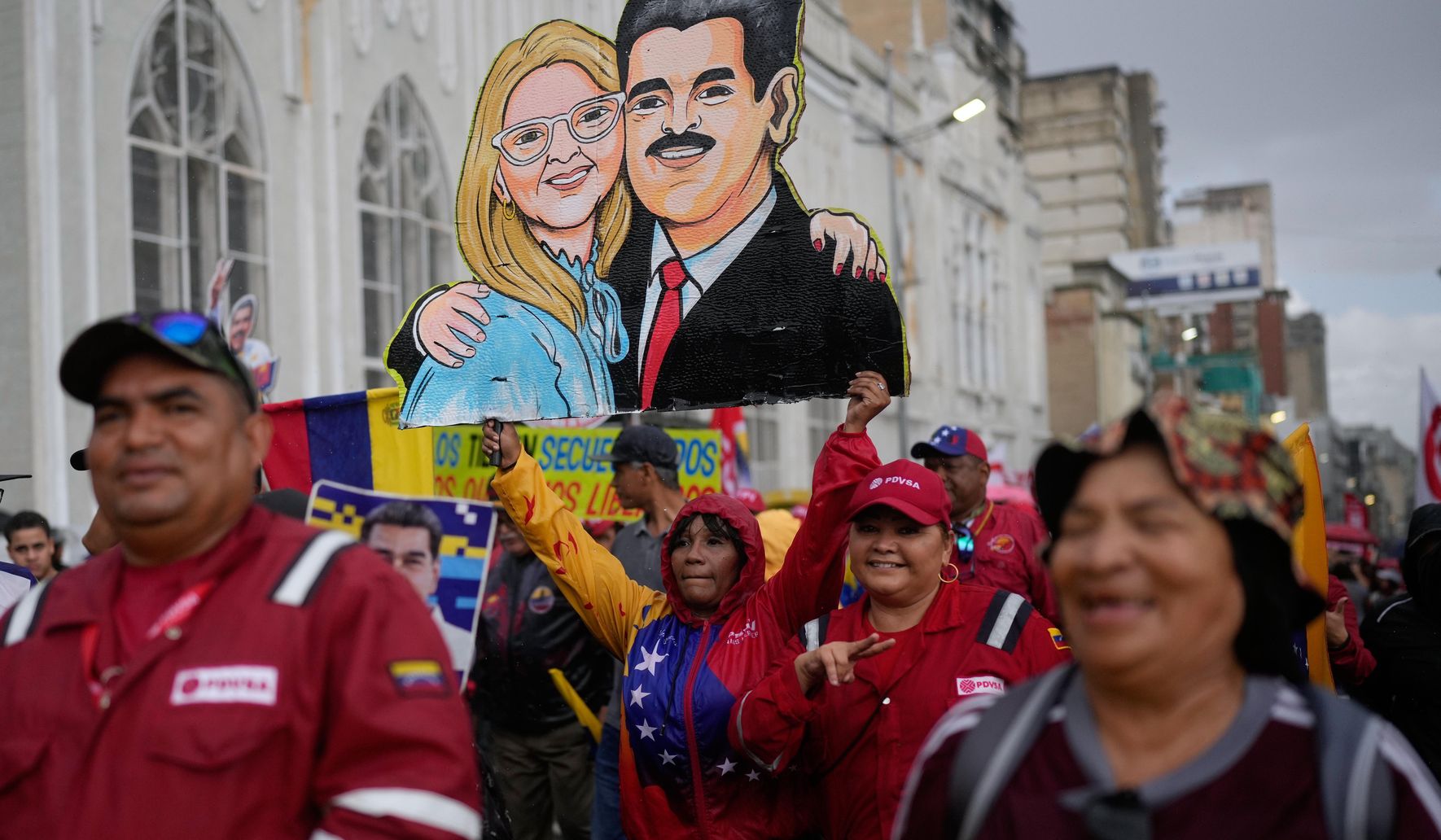
U.S. Ambassador Laura Dogu arrived in Caracas to reopen the American diplomatic mission in Venezuela after seven years of severed ties; this piece explains the arrival, the stakes, the risks, and the cautious, leverage-driven approach Republicans favor.
U.S. Ambassador Laura Dogu arrived in Caracas on Saturday to reopen the American diplomatic mission in Venezuela after seven years of severed ties, marking a deliberate, strategic step rather than a celebration. The move restores a physical presence that allows diplomats to protect Americans, process visas, and gather firsthand reporting on conditions inside the country. For Republicans, reopening is about hard-headed oversight and American interests, not instant trust or diplomatic applause.
The rupture in ties began with a breakdown in confidence and mutual recognition, and the intervening years saw Maduro deepen alliances with adversaries of the United States. Restoring a mission now recognizably signals a new phase: engagement without surrender, presence without legitimizing abuses. That balance is essential because history shows that being absent gives space to bad actors and regional instability.
Security concerns are front and center for any Republican-minded assessment. Caracas sits at the intersection of narcotrafficking routes, gray economy networks, and growing influence from Russia, China, and Iran, which have expanded military and economic footprints in recent years. A functioning embassy provides eyes and ears that help coordinate countermeasures and inform policymakers in Washington, supporting targeted sanctions and cooperation with regional partners.
Consular services are a practical, immediate justification for reopening. Americans living in or traveling through Venezuela need assistance in emergencies, and family members need routine services like passports and notarial acts. Reestablishing a mission also creates a formal channel to press on human rights issues, demand access to political prisoners, and monitor humanitarian conditions without pretending that the status quo is acceptable.
From a Republican viewpoint, reopening must be conditional and leverage-driven rather than unconditional normalization. Diplomatic engagement should be paired with clear benchmarks: tangible steps toward free elections, verified release of political prisoners, and transparent humanitarian access. Sanctions and targeted measures remain valuable tools to shape behavior, and any rollback should happen only after verifiable progress, not as a reward for minimal gestures.
Energy and economic considerations underline the broader stakes. Venezuela still holds vast hydrocarbon reserves that attract the interest of global rivals, and any shift in Caracas affects regional markets and strategic calculations. Republicans emphasize energy independence at home, but presence in Venezuela helps limit adversaries’ ability to exploit instability or secure strategic partnerships that run counter to U.S. interests.
Practically speaking, an embassy is a hub for diplomacy, intelligence liaison, and coordination with allies and regional partners. It allows the United States to shape multilateral responses, support monitoring missions, and coordinate humanitarian deliveries with non-governmental organizations. The Republican approach favors using the mission to compile verifiable evidence of abuse and corruption while preserving authorities to restrict interactions that would amount to legitimizing a repressive regime.
Outcomes are uncertain, and Republicans counsel vigilance: reopen the mission, but keep pressure, keep sanctions ready, and refuse to offer unconditional recognition. The goal is leverage that produces bottom-line changes—free and fair elections, basic human rights protections, and reduced foreign military influence—while safeguarding American citizens and strategic interests. Reestablishing a presence in Caracas is a pragmatic tool; how it is used will determine whether it serves freedom and stability or merely restores a veneer of normalcy to an unreformed system.

