

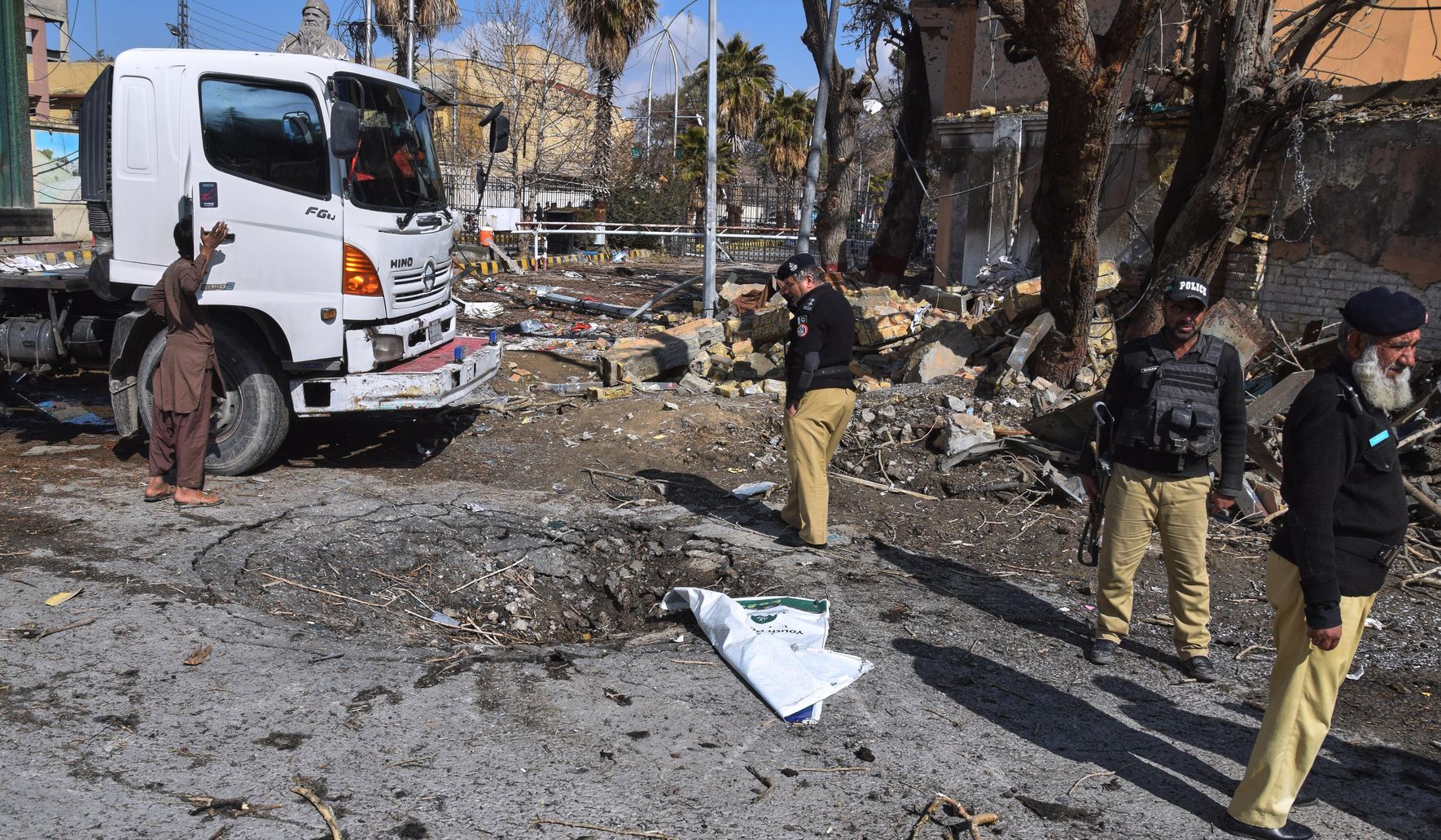
Pakistani security forces reported killing about two dozen militants overnight in multiple raids in the insurgency-hit southwest bordering Afghanistan, raising the militant death toll to 177 in the past 48 hours.
Security officials say a concentrated campaign of raids and targeted operations produced the recent spike in militant casualties. Forces moved quickly, carrying out multiple operations overnight across a region long troubled by insurgent activity. Local authorities described the actions as coordinated responses to intelligence about armed groups.
Residents in the affected area woke to the sound of helicopter activity and distant gunfire, according to eyewitness accounts collected by reporters on the ground. Roads were temporarily blocked as checkpoints were reinforced and searches were conducted. People described an atmosphere of tense relief as authorities reported success without immediately announcing any major civilian casualties.
Officials emphasized that the operations were focused on dismantling armed cells that have been blamed for cross-border attacks and local violence. Law enforcement units said they targeted hideouts and staging areas used by militants for planning and logistics. The statement from security sources stressed the need to prevent any resurgence of the groups responsible for recent bloodshed.
Security forces credited improved intelligence and closer coordination between military and paramilitary units for the rapid outcome. Sources cited in the initial briefings said actionable tips helped pinpoint militants’ positions before dawn raids. Commanders highlighted the use of surveillance and rapid-response teams to reduce the risk to civilians and to increase the likelihood of neutralizing combatants.
Community leaders in the southwest bordering Afghanistan welcomed the operations but urged continued transparency and protections for civilians. Local elders called for better communication from authorities so that residents could avoid affected zones during missions. Humanitarian workers stressed that access to medical aid and basic services must remain uninterrupted while security actions continue.
The tally putting the militant death toll at 177 over a 48-hour span underscores the intensity of recent clashes and raids across the region. Analysts noted that such figures are rare in such a condensed period and may reflect a major offensive phase rather than isolated encounters. Observers cautioned that casualty numbers can change as investigations and ground verifications proceed.
Longstanding cross-border dynamics complicate operations in the insurgency-hit southwest bordering Afghanistan, where rugged terrain and porous frontiers have helped militants move and hide. Past efforts to stabilize the area have met mixed results because armed groups exploit local grievances and remote geography. Still, authorities say sustained pressure and better intelligence are beginning to disrupt their networks.
Military spokespeople reiterated that operations would continue until the groups responsible for recent attacks are neutralized or captured. They announced no changes to the rules of engagement but said forces would prioritize precise, intelligence-led strikes. The message aimed to reassure citizens while warning militants that safe havens would not be tolerated.
International observers watching developments encouraged restraint and full investigations into any allegations of misconduct. Human rights advocates called for independent monitoring to ensure operations comply with international humanitarian standards. At the same time, analysts noted that host nations face difficult choices when balancing swift action with the need to protect noncombatants.
For now, local markets and schools are gradually resuming normal hours as security forces scale down visible operations in some pockets. Residents described lingering anxiety but also a cautious sense that concentrated action may have removed immediate threats. Authorities warned that stability would require ongoing patrols, follow-up operations, and cooperation from local communities to deny militants a return.

