

Media silence over judges at political events raises honest questions about fairness and expectations for impartiality.
There is a clear double standard when members of the judiciary attend openly political events and face little to no backlash from the media. Conservatives often get hammered for perceived bias, while similar conduct by liberals slides by without sustained scrutiny. That imbalance erodes public trust in courts and fuels a feeling of two sets of rules.
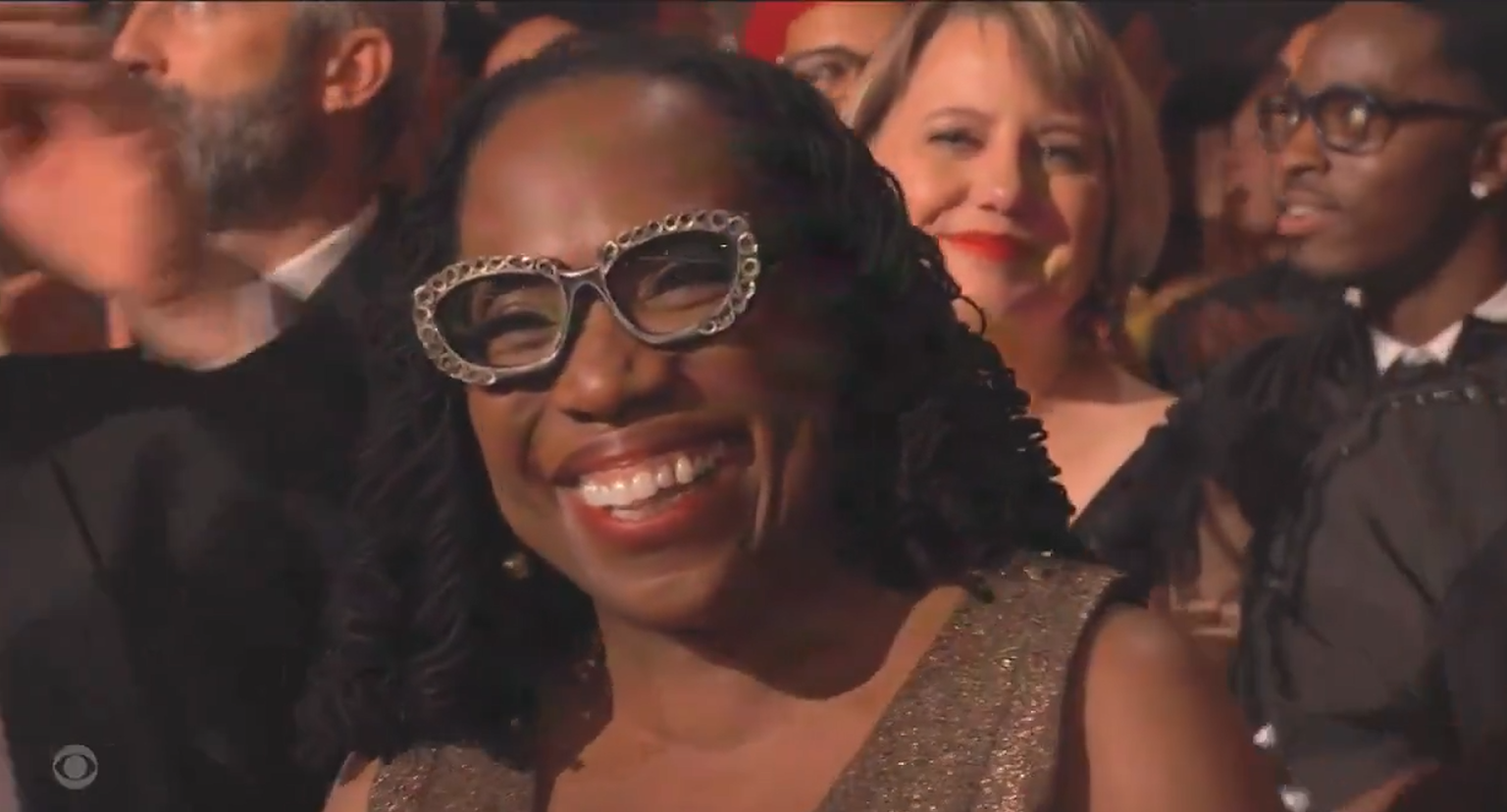
“Where is the media outrage at Justice Jackson attending an overtly partisan awards show where the attendees trashed the Trump admin?” That question captures the frustration many feel when press coverage appears uneven. It is reasonable to ask why a Supreme Court justice would sit through an event that celebrates partisan attacks on a former administration.
Judges are expected to appear neutral and avoid situations that suggest political favoritism. The public relies on the judiciary to be dispassionate and impartial, not to mingle in events where one side is openly mocked. When a justice attends a partisan gala, it undermines that expectation.
The press has a duty to treat similar behavior the same regardless of who is involved. Selective outrage makes accountability look political rather than principled. If reporters excuse one side and condemn the other, they are part of the problem, not the solution.
Critics on the right are often accused of weaponizing judicial appearances, but the concern is about optics and trust. When influence and entertainment mix with judges, people wonder whether rulings are based solely on law. Reasonable minds can agree that transparency and distance from partisan theater help preserve confidence in the system.
Some will argue that a single appearance does not prove bias, and technically that is true. Still, norms matter because they set expectations. If a justice repeatedly shows up at events that cheer one political viewpoint, it stops being a one-off and starts looking like an alignment.
There is also the question of reciprocity. Would the media defend a conservative justice who showed up at a convention where speakers openly vilified Democratic leaders? The likely answer shows why consistent standards are essential. Fairness demands equal treatment across the spectrum.
Accountability is not the same as personal attack. Pointing out poor judgment about optics is legitimate; it is not a call to discredit someone’s entire record. Holding all justices to the same nonpartisan standard protects the institution, not political opponents.
Ethics rules and recusal practices exist for a reason, and public perception shapes their effectiveness. People expect judges to avoid even the appearance of partiality, because perception often drives acceptance of decisions. Events that look like partisan rallies undercut that baseline expectation.
The media should be uncomfortable with hypocrisy, yet too often it acts as if some breaches are less serious. Reporters who pretend there is no story just because the guest wears robes and leans liberal are choosing sides. The newsroom should favor consistency over convenience.
Promoting norms does not mean policing private life endlessly, but stewarding institutional trust does require restraint. Judges are public officials with unique responsibilities to the republic. When they step into partisan limelight, critics across the political spectrum should weigh in with the same standards.
Calls for even-handed coverage are not calls for censorship or character assassination. They are demands that the press apply its watchdog instincts uniformly. If the media cares about the court’s legitimacy, it will report without selective outrage and will recognize when actions risk eroding confidence.
The remedy is simple: consistent scrutiny and clear expectations for judicial conduct in public settings. Let the same questions be asked of any justice, regardless of ideological stripe. That straight talk is how trust is rebuilt, and it is what the public deserves.
There will always be debate about what crosses the line, but ignoring clear appearances of partisanship will only deepen cynicism. Media outlets that value credibility should not pick sides when norms are at stake. A fair press amplifies accountability, not partisan cover.

