

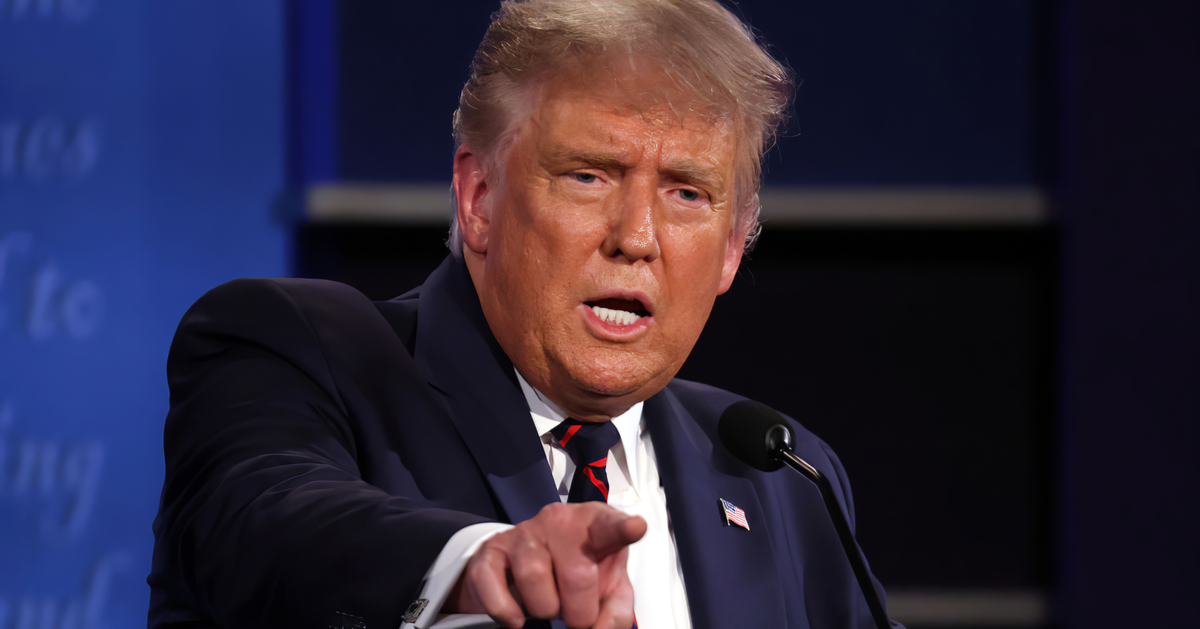
President Trump announced his endorsement of former Sen. John E. Sununu for the New Hampshire U.S. Senate seat, setting off renewed attention and clearing a path for a forceful Republican push in the race to replace retiring Sen. Jeanne Shaheen.
President Donald Trump posted his endorsement of John Sununu on Truth Social, framing Sununu as an ally of the America First agenda and a strong candidate to flip the seat. That endorsement quickly reshaped the Republican primary conversation in New Hampshire and forced both campaigns and national groups to reassess strategy. The primary winner will face Rep. Chris Pappas in the general election for the seat being vacated by Sen. Jeanne Shaheen.
Trump’s message was unmistakable and sharply framed. “It is my Great Honor to endorse America First Patriot, John E. Sununu, who is running to represent the beautiful State of New Hampshire in the U.S. Senate,” Trump declared. For many conservative voters, that kind of direct backing is decisive, especially in a contested primary where loyalty to America First themes matters to the base.
The endorsement landed like a signal flare across the GOP. Republican organizations and key Senate groups quickly tilted toward Sununu, arguing he offers the best path to unseat the Democrat in November. Party leaders point to electability as the reason for rallying around Sununu, saying coordinated resources and unified messaging will be critical to winning the general election.
Sununu’s own stance has shifted over time, which matters politically in a battlefield state like New Hampshire. He had criticized Trump in the past but has recently pledged cooperation, adopting a pragmatic tone to reach skeptical primary voters. “We need someone who can be an effective advocate with President Trump in this White House, and there’s absolutely no question I will be that person,” Sununu affirmed, stressing independence while promising to work with the administration.
That balance is part policy calculation and part political reality. New Hampshire voters prize independence, but the national Republican brand and turnout advantages tied to Trump remain strong in key races. Sununu’s pivot toward alignment with Trump is aimed at consolidating conservative energy without losing moderates wary of partisan extremes.
Scott Brown remains in the race despite the snub, emphasizing his own credentials and framing his campaign as service-oriented rather than focused on party bosses. Brown’s persistence keeps the primary competitive and compels Sununu to demonstrate grassroots strength beyond institutional endorsements. Yet the mathematics of modern primaries make it difficult to overcome an endorsement that brings national money and infrastructure.
Democrats have already begun framing their response by attacking Sununu’s record and questioning whether he represents everyday Granite Staters. The Democratic Senatorial Campaign Committee has publicly predicted a GOP failure in 2026 and dismissed Sununu’s bid, a stance that only adds fuel to Republican determination. That pushback is being used by GOP operatives to argue that Democrats are out of touch and counting on continued dominance rather than contesting the fight on the issues.
Messaging from both sides will center on pocketbook issues, public safety, and the broader question of which party can deliver practical governance. Republican strategists are emphasizing economic stewardship and support for law enforcement as themes designed to resonate with independent voters. Democrats are likely to highlight continuity and warnings about change, but Republicans believe that a united front behind Sununu can break the trend of Democratic Senate wins in the state.
What unfolds in the primary will determine whether this race becomes a referendum on local priorities or a nationalized contest tied to the 2024-2026 political debate. If Sununu consolidates support and converts Trump’s backing into turnout, the GOP will be positioned to compete strongly in November. For now, the endorsement has remade the dynamics in New Hampshire and forced both campaigns to sharpen their arguments for conservative voters and independents alike.

