

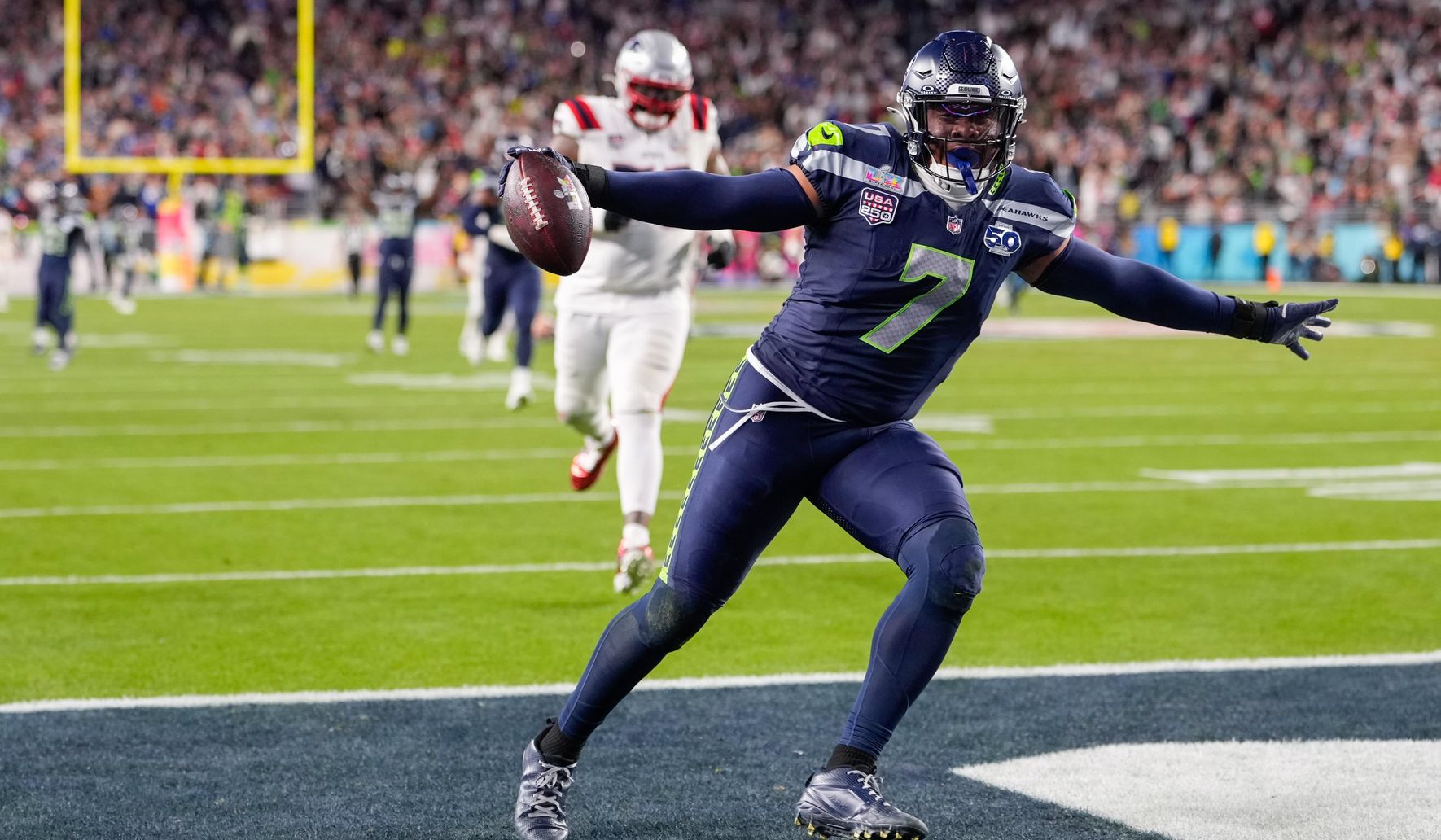
Seattle’s defense took over the game with relentless pressure and timely plays, turning a high-stakes matchup into a statement win and leaving the Patriots’ offense scrambling to respond.
Devon Witherspoon, Derick Hall, Byron Murphy and the rest of Mike Macdonald’s ferocious defensive unit pummeled Drake Maye, and the Seattle Seahawks beat the New England Patriots 29-13 on Sunday. That sentence captures the game’s spine: aggressive defense fed a controlled offense and created separation on the scoreboard. The win felt less like a close contest and more like an exclamation point on a defensive identity.
Seattle’s approach was simple and effective, leaning on speed and calculated aggression rather than gimmicks. The defensive line and secondary flew to the ball, disrupting timing and forcing the Patriots to hold the ball longer than they wanted. When a defense owns the clock and the line of scrimmage, the whole contest starts to tilt their way.
Coach Mike Macdonald’s scheme showed up in the little things: disciplined gap control, smart blitzes, and coverage that baited risky throws. That combination made Drake Maye hesitate and miss windows he normally hits during clean pocket time. Against a unit playing with that kind of clarity, even sound quarterback play can get chipped away.
The Seahawks’ playmakers supplied highlight moments without relying on fireworks every drive, and that steadiness is what turned momentum into points. When the defense created turnovers or short fields, the offense capitalized efficiently instead of trying to do too much. Football games are won in those exchanges where one unit hands the other a short field and the defense finishes the job.
Defensive pressure doesn’t need to be flashy to be devastating; it needs to be consistent and well-timed. Witherspoon, Hall and Murphy each brought different strengths—coverage, speed-to-pocket, and run disruption—that blended into a single, threatening front. That variety forced the Patriots to adjust on the fly, and adjustments late in a game rarely match the pace the opposition set early.
On the flip side, New England’s offense struggled to regain rhythm after a handful of critical stops and coverage plays. Short drives and stalled possessions put the Patriots in catch-up mode, and once a team is on its heels against a hot defense, it becomes harder to take smart risks. Those small failures compound, and Sunday showed how quickly a game can slip away when an offense never truly solves the puzzle in front of it.
Seattle’s offense kept things pragmatic, leaning on controlled drives and opportunistic scoring rather than trying to outgun the opponent. That complementary approach kept the defense fresh and allowed special teams and situational football to matter. In the end, putting points on the board when given a chance was enough to widen a lead and keep pressure where it hurts most.
This victory matters beyond a single week because it reinforces identity: a defense built to harass quarterbacks and minimize big plays will win more nights than it loses. Players fed off one another, and when the pass rush and secondary are in sync, offensive mistakes are magnified. For a team trying to ascend, establishing that kind of reliability is priceless.
There were clear moments for individual celebration, but the bigger takeaway was cohesion and timing. When a unit performs as one—rotations, tackling, and communication all clicking at once—the scoreboard follows. That was the story of this game: a collection of role players and stars executing a vision until the final whistle.

