

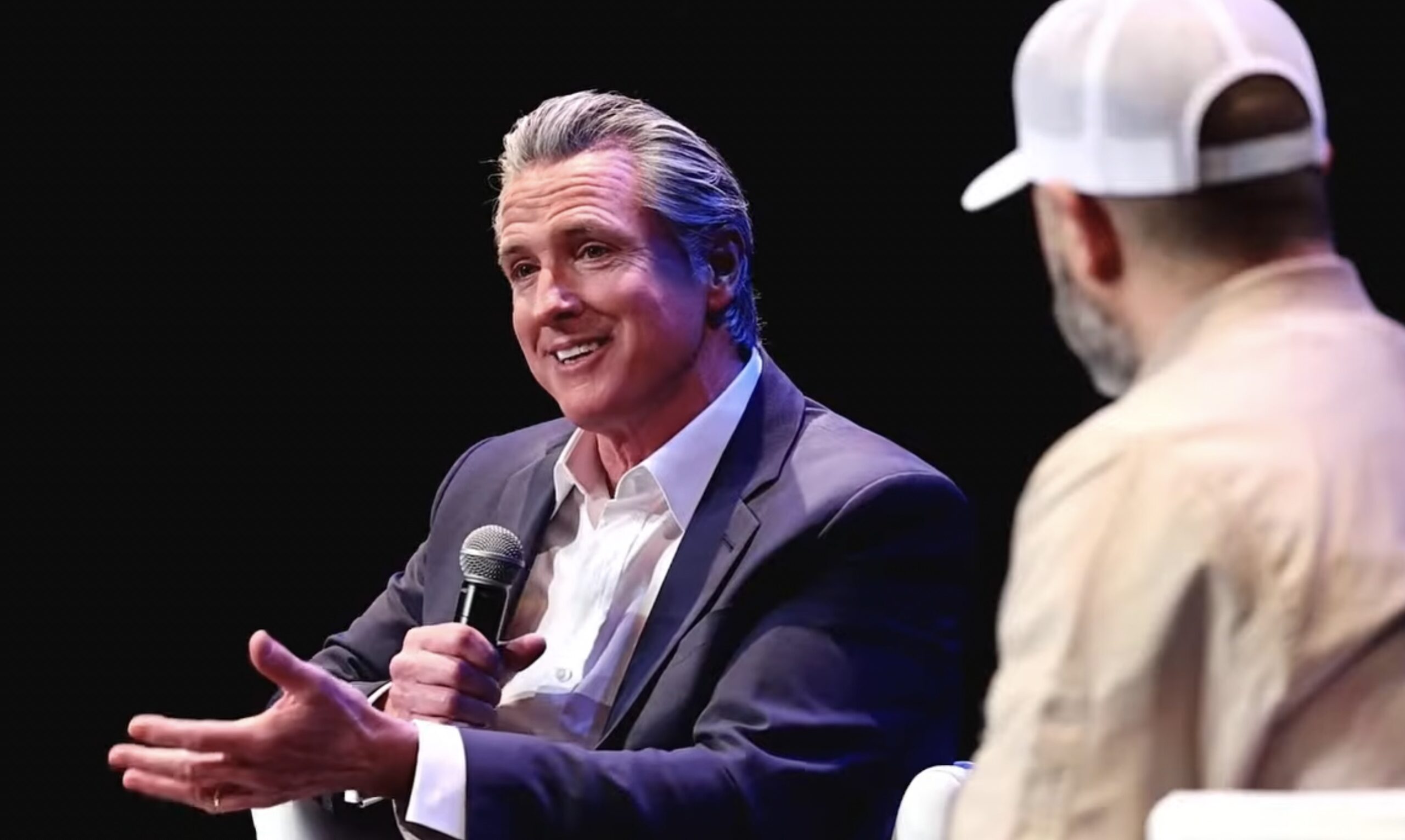
Newsom’s team reads a simple formula into Trump’s victory: insults plus rudeness equals electoral success, and that belief is shaping how they talk about politics and opponents.
California’s governor and his communications staff appear convinced that the blunt, attacking posture associated with Donald Trump is a replicable playbook. They see a direct chain: Trump insults people and he’s rude, so he won the presidency, so being rude and insulting wins the presidency. That neat equation drives messaging choices and fuels internal debates about tone and tactics.
From a Republican perspective, it’s true that Trump’s style changed the political weather, but style alone does not explain victory. Voters responded to a mix of policy promises, outsider positioning, and a willingness to break from conventional politics. Focusing only on tone risks ignoring what actually moved voters to change their minds at the ballot box.
Newsom’s communications team treats rudeness as a tool rather than a symptom, and that’s the wrong lesson to draw. When political operatives elevate tone over substance they risk confusing short-term media wins with long-term coalition building. Republicans see that confusion as a strategic mistake for Democrats who still need to hold centrist and swing voters.
There’s also a practical downside to adopting abrasive rhetoric: it can energize a base while pushing moderates away, and in swing states that tradeoff matters. Voters who dislike one party’s candidate aren’t always thrilled by the opposite party’s nastier mirror image. Winning national elections requires assembling diverse blocs, not just winning cultural scraps on social feeds.
Media dynamics amplify whatever catches attention, and rude attacks do capture attention fast and cheaply. But attention is not the same thing as persuasion, and viral moments don’t automatically translate to votes at the margin. Conservative strategists point out that sustainable wins come from repeatable operations, ground organization, and messages that reach persuadable voters more than they come from viral sound bites.
Authenticity matters more than civility alone. Voters forgive blunt language when it’s perceived as honest and tied to clear policy positions, but they punish cruelty that feels performative or alienating. Republicans interpret Trump’s success as partly authentic outsider energy combined with specific promises, which is not the same as endorsing rudeness as a universal strategy.
For Democrats following Newsom’s formula, the risk is a feedback loop: speak harshly, get attention, expect the same payoff, and then wonder why the expected votes don’t follow. Political outcomes depend on matchups, local dynamics, and turnout mechanics, not just on whether one side talks louder. The lesson for opponents is to recognize style’s role but not to mistake it for the whole story.
Ultimately, the debate over tone is also a debate about how to win. Republicans argue the path to victory is clearer when parties invest in organizing, appeal to real voter concerns, and keep a message that can travel beyond echo chambers. Rudeness can headline a news cycle, but it is not a substitute for policy clarity and long-term voter outreach.

