

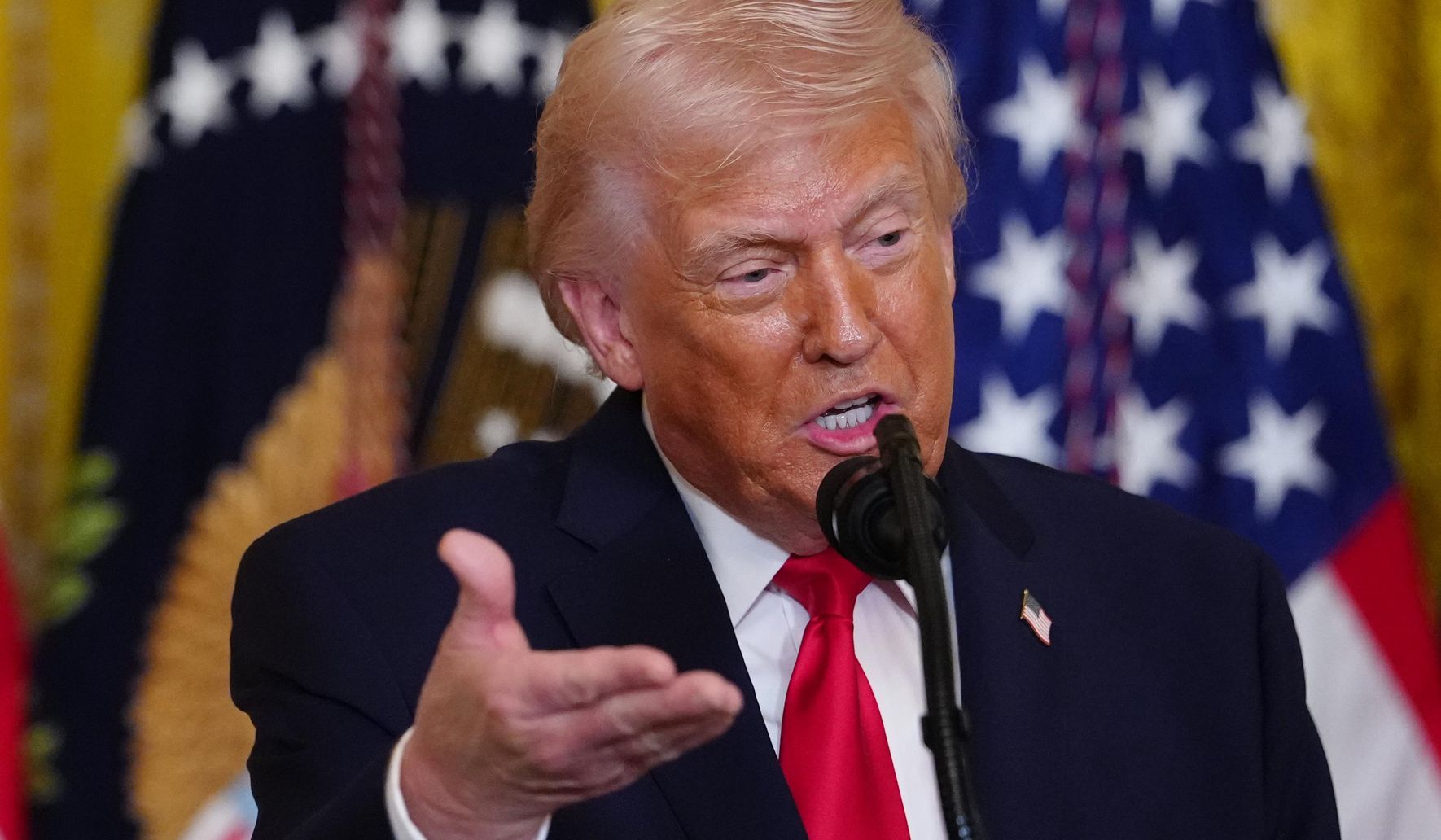
President Trump declared Iran “totally defeated” just two weeks into the conflict, a blunt line that reshaped the story, sharpened Republican messaging, and forced rivals to respond on his terms.
That one phrase landed like a punch and did exactly what strong rhetoric is supposed to do: it set expectations and framed the debate. Supporters see it as clear, confident leadership that signals resolve to foes and steadiness to friends. Critics called it premature, but political fights are rarely about nuance.
From a Republican perspective, language matters in war and deterrence; vague talk invites miscalculation, while direct statements can stabilize a volatile situation. Saying an adversary is “totally defeated” projects strength and gives military planners the political cover they need to press advantages. It also forces the hand of the opposition who must either concede success or explain why toughness was wrong.
Two weeks is a short window, but in modern engagements swift shifts can change momentum, cut supply lines, and expose command failures. Quick, decisive actions can create facts on the ground that redefine the conflict. That reality is why many conservatives argue for compact, potent operations paired with unambiguous messaging from the top.
Domestically, the line played well with a base hungry for results and tired of equivocation from past administrations. Voters who prioritize national security respond to leaders who speak plainly and promise outcomes. The rhetorical clarity also simplifies the political story: either you stand with American strength or you side with softness and uncertainty.
Internationally, allies and adversaries alike take cues from presidential statements, so the benefit of blunt language is practical as well as symbolic. Partners get a sense of what to expect and can align logistics and strategy accordingly. Adversaries face a psychological cost when they see unified resolve driving policy.
No statement changes the facts on the ground by itself, and Republicans who back tough talk also insist on competent execution. Military plans must follow political posture; words without follow-through invite criticism and squander goodwill. That balance is what conservative foreign policy often emphasizes: strong words, disciplined strategy, and clear objectives.
Critics worry about escalation, and those concerns deserve attention, but caution should not turn into paralysis. The Republican view tends to prioritize deterrence: demonstrating capability and will so conflict ends sooner rather than drags on. In that sense, saying Iran was “totally defeated” can be part of a broader effort to shorten the fight and save lives.
Politics will swirl around this moment, with opponents and media outlets parsing every syllable and motive. For conservatives, the takeaway is straightforward: leadership that mixes decisive language with a credible plan is more likely to produce favorable outcomes. Whether the contest ends quickly or becomes protracted, the strategic benefits of clear messaging will matter in the aftermath.

